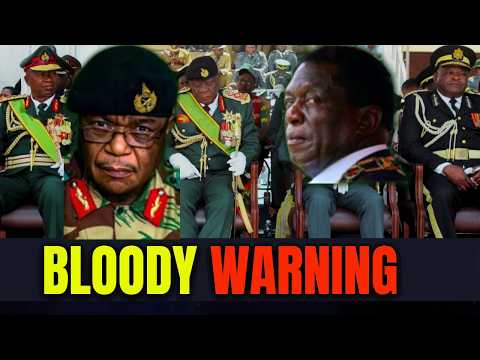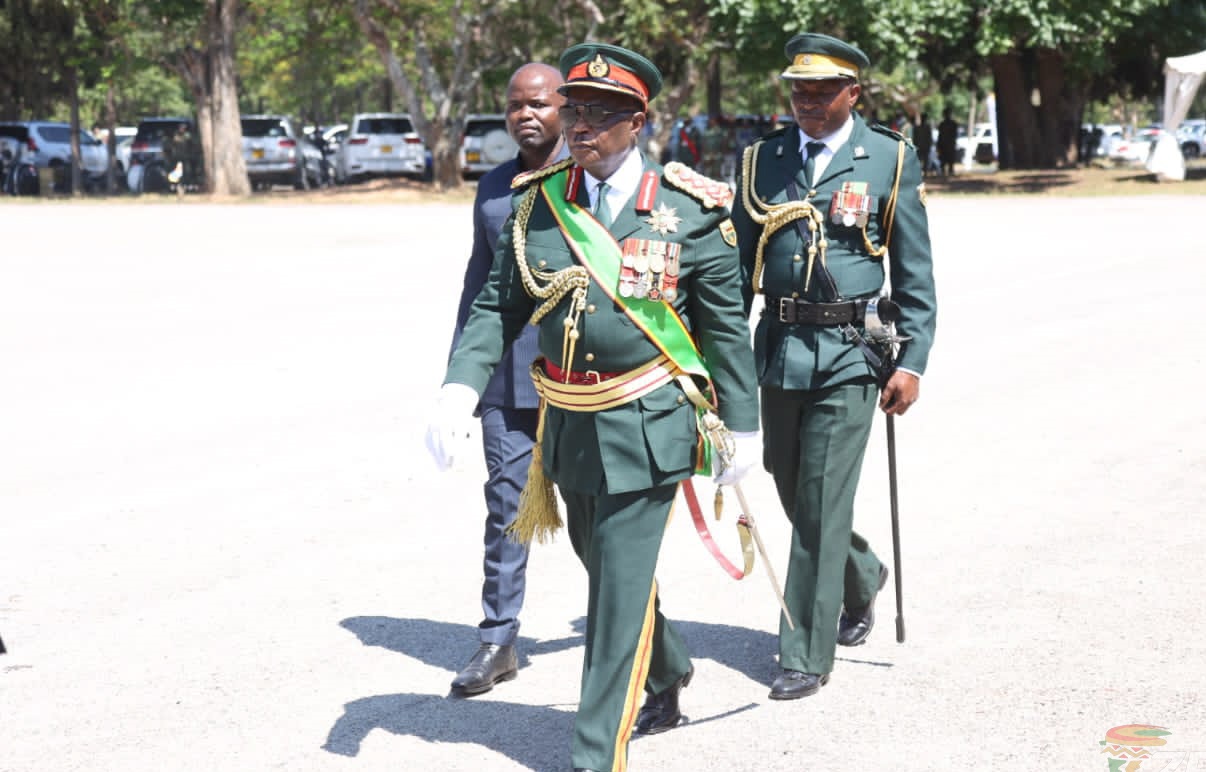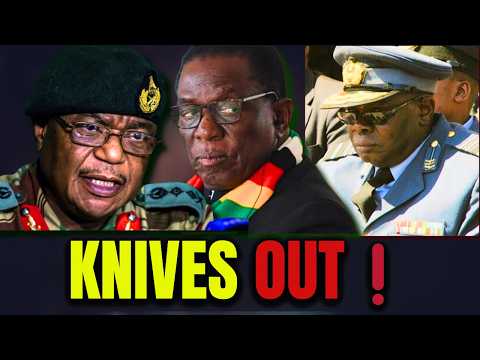
A high-ranking military general has escalated tensions within the political landscape by firing a second round of warning shots directed at Mnangagwa, Mliswa, and Zvigananda. The development, brought to light by the channel Rumbie Uncensored, signals a deepening rift within the power structures surrounding these figures. This latest confrontation, characterized by the general’s aggressive posturing, has sent shockwaves through the political establishment, raising urgent questions about the stability of the current leadership.
The Escalating Conflict
The situation stems from a series of underlying frictions between the military and key political actors. The video highlights that this is not an isolated incident but a second warning, suggesting a pattern of deteriorating relations. Mutsvangwa has reportedly already issued a warning to the general, marking a clear divide between the military and political elite. The tension appears to be rooted in a struggle for influence, with the military general positioning himself as a critical observer and challenger to the status quo maintained by Mnangagwa and his associates.
Strategic Analysis of the Warning
From an analytical standpoint, the general’s choice to issue a second warning indicates that previous attempts at communication or intimidation have failed to produce the desired result. By specifically naming Mnangagwa, Mliswa, and Zvigananda, the general is effectively drawing a line in the sand. This public confrontation suggests that the traditional channels of negotiation are being bypassed in favor of high-stakes, public posturing. The involvement of Mutsvangwa as a counter-weight adds another layer of complexity, indicating that this is a multi-front political battle rather than a simple disagreement.
Geopolitical Impact and Stability
The implications of this public rift extend far beyond the individuals involved. In the context of Southern Africa, the stability of leadership in this region is often tethered to the relationship between the military and the executive branch. When a military general openly challenges political leaders, it creates an environment of uncertainty that can ripple through the economy and international relations. The potential for a shift in the balance of power poses significant risks to the regional status quo, as stakeholders watch closely to see if these warning shots will lead to a broader political realignment.
Public and Stakeholder Reaction
The reaction to these developments has been one of intense scrutiny. Observers are attempting to decipher the hidden messages behind the general’s rhetoric and the subsequent warnings from Mutsvangwa. The public discourse, fueled by reports from platforms like Rumbie Uncensored, reflects a growing anxiety about what this conflict means for the future. There is a palpable sense that the political climate is reaching a boiling point, as supporters and critics alike wait to see how the targeted individuals will respond to such a direct and public challenge to their authority.
What to Watch For Next
Moving forward, the focus remains on whether the general will escalate his tactics or if the targeted political figures will attempt to neutralize the threat. Observers should monitor for any official statements from Mnangagwa or Mliswa that address these warnings directly. Furthermore, the role of Mutsvangwa will be critical; his position as a mediator or antagonist will dictate the trajectory of this standoff. As these events unfold, the primary concern remains the potential for this internal power struggle to disrupt the broader political landscape and the stability of the nation.