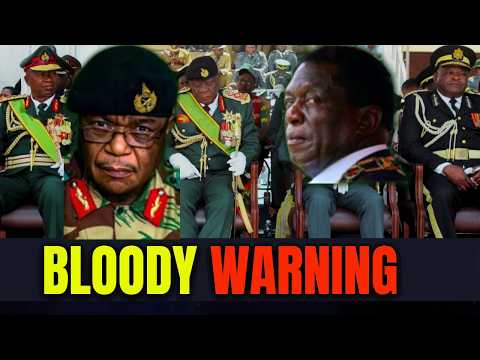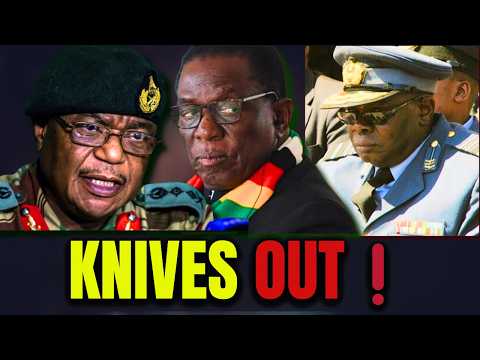
A high-ranking military general has escalated the political crisis by firing a second round of warning shots aimed directly at Mnangagwa, Mliswa, and Zvigananda. As reported by the channel Rumbie Uncensored, this aggressive stance marks a significant shift in the power dynamics, signaling that the military's patience with these figures has reached a breaking point. The warning, which follows a previous caution, underscores a deepening rift that threatens to destabilize the existing political order.
The Escalation of Tensions
The situation has been building for some time, with Mutsvangwa reportedly warning the general prior to this latest public confrontation. The involvement of key political figures like Mnangagwa and Mliswa suggests that the conflict is not merely a localized disagreement but a systemic struggle for influence. By issuing a second warning, the military general is signaling that previous diplomatic or private channels of communication have failed, forcing the discourse into the public domain where the implications are far more severe for the stability of the nation.
Strategic Analysis of the Warning
From an investigative perspective, the targeting of Mnangagwa, Mliswa, and Zvigananda by a military general indicates a calculated move to challenge the current administration's authority. The mention of Mutsvangwa’s prior warnings adds a layer of complexity, suggesting that these events are part of a larger, interconnected web of political maneuvering. The general’s decision to go public with these threats serves as a tactical deployment of pressure, intended to force a reaction from the named parties and potentially realign the loyalties of those currently caught in the middle of this high-stakes standoff.
Regional Impact and Stability
The implications of this military intervention extend beyond the individuals named, impacting the broader geopolitical landscape of Southern Africa. When military leadership openly confronts political figures of this stature, it creates a climate of uncertainty that ripples through the economy and social fabric of the region. The potential for a power vacuum or a shift in governance poses significant risks to regional stability, as neighboring states and international observers watch closely to see if the situation escalates into a more overt conflict or if a resolution can be brokered behind closed doors.
Public and Stakeholder Reaction
Reaction to the Rumbie Uncensored report has been swift, with observers noting the gravity of a military general taking such a public stand. The discourse surrounding the video highlights a growing concern among the populace regarding the role of the military in civilian politics. Stakeholders are currently weighing the risks of supporting either side, as the explicit naming of Mnangagwa, Mliswa, and Zvigananda forces a choice that could have long-term consequences for their own political survival. The tension is palpable as the public waits for a formal response from the targeted individuals.
What to Watch For Next
Moving forward, the primary focus will be on whether the military general initiates a third phase of action or if the targeted figures, specifically Mnangagwa and Mliswa, choose to retaliate. Observers should monitor for any official statements from the government or military command that might clarify the intent behind these warning shots. Furthermore, the role of Mutsvangwa as an intermediary or a catalyst in this conflict remains a critical variable. The coming days will be decisive in determining whether this standoff leads to a political restructuring or a de-escalation of the current hostilities.