
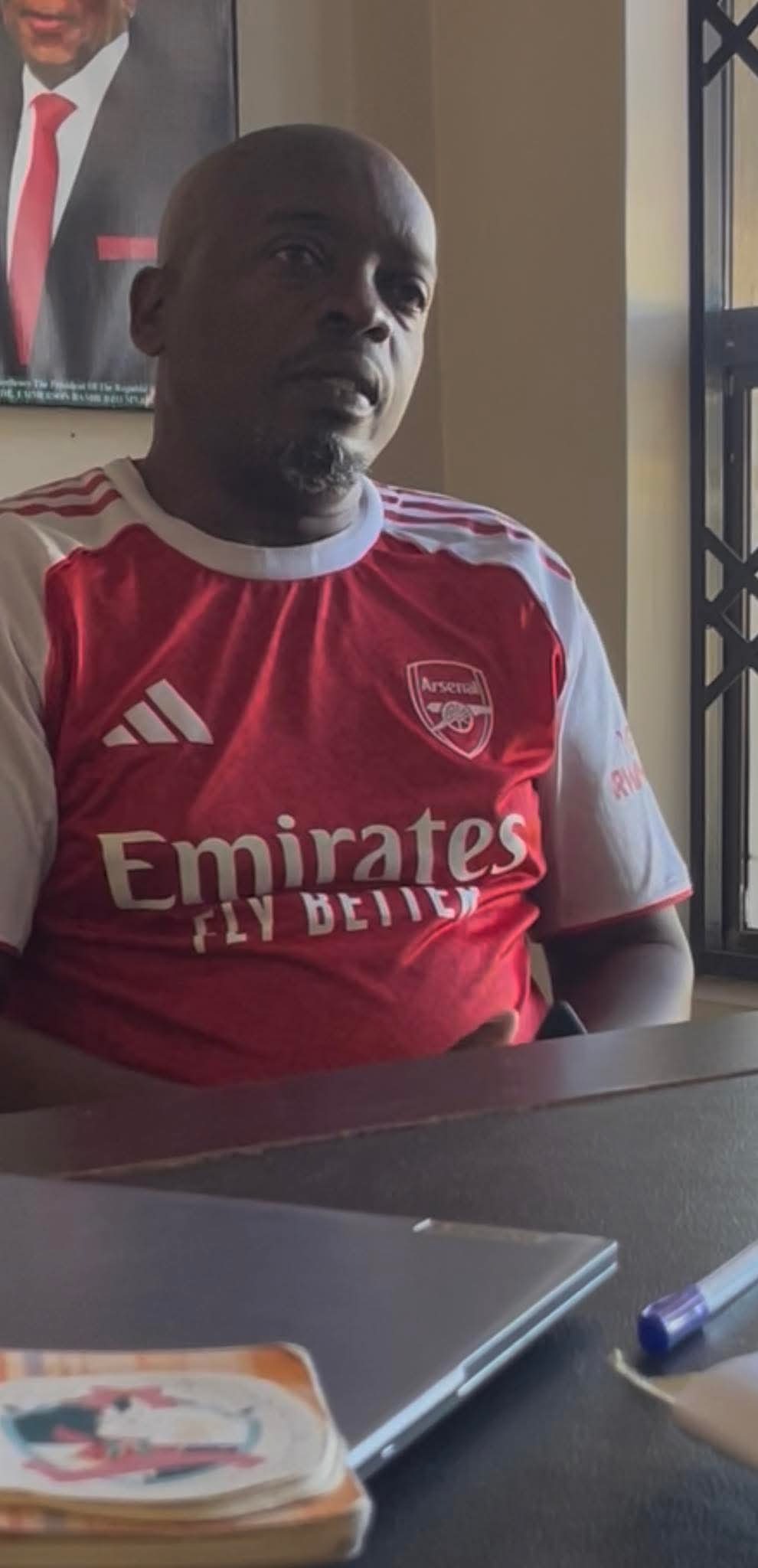
Francis Zhakata has been arrested after investigators linked him to a borehole drilling scam in which victims collectively lost more than US$15,000—money paid upfront for drilling services that never materialised.
The case centres on an alleged front company, Riverine Boreholes, through which Zhakata is accused of taking deposits from people seeking groundwater solutions. After receiving payments, he allegedly disappeared and stopped responding to follow-ups, leaving families and businesses with lost funds and no borehole.
Investigators say the scheme preyed on urgency. In Zimbabwe and across the region, water insecurity and unreliable municipal supply have pushed households and farms to seek private drilling—often with deposits paid early to secure a contractor’s schedule. That desperation, investigators argue, is exactly what scammers exploit: they sell certainty, take money, and then vanish before victims can verify whether drilling has started or whether the contractor is legitimate.
Morning raid in Glen View as detectives closed in
Matrix Private Detectives coordinated the investigation and moved in with a targeted operation at Zhakata’s alleged hideout in Glen View. The arrest followed a pattern investigators say victims described consistently: payment made after promises of drilling, followed by silence and an inability to locate the contractor.
Zhakata was apprehended during the raid and is now in police custody, where he is assisting with further investigations. Investigators are working to establish the full scope of the alleged fraud, including whether additional victims were targeted beyond the cases already identified and whether Riverine Boreholes was used solely as a cover for deception.
One of the most damaging elements of the case is the alleged attempt to evade accountability. Investigators say Zhakata told some victims that he was now living in South Africa, a claim investigators view as a deliberate tactic to delay reporting, frustrate recovery efforts, and push victims into giving up on pursuing him.
That cross-border evasion matters in practice. When a fraudster claims to be outside the country, victims often face barriers to enforcement—distance, uncertainty about where evidence can be gathered, and delays in locating the person responsible. Investigators say coordinated work that links payments, communications, and movement is therefore essential to break the cycle.
Water money turns into fraud: the regional stakes for Zimbabwe
This arrest lands in a wider Southern African reality: when water becomes scarce and expensive to secure, criminal networks learn to monetise the demand. Borehole drilling is not a discretionary purchase for many households and farms—it is tied to survival, livestock, irrigation, and the ability to keep businesses running when municipal supply fails.
That makes borehole projects a predictable entry point for fraud. Scammers can market themselves as “turnkey” providers, demand deposits, and then stall or disappear once money changes hands. Even when individual losses appear small, the harm aggregates quickly—turning multiple deposits into a major criminal outcome.
In this case, the alleged total losses exceed US$15,000. The impact is not only financial. Victims who pay for drilling but receive nothing face immediate consequences: delayed access to safe water, increased costs as they scramble to find alternative contractors, and the long-term damage of reduced trust in legitimate service providers.
For Zimbabwe, where water stress and infrastructure constraints continue to shape daily life, the consequences of borehole fraud are amplified. When families and communities lose money intended for water access, they absorb the shock at the worst possible time—when they need reliable groundwater most. The result is a double hit: stolen funds and postponed solutions.
Investigators will now focus on the chain of payments and the documentation behind the promises. Key questions include whether Riverine Boreholes issued receipts or any formal paperwork, whether drilling work was ever initiated, and whether Zhakata used multiple identities or locations to keep victims off balance.
Police and detectives will also seek to clarify how many transactions were completed, how many borehole quotes were issued, and whether any drilling activity occurred before the alleged disappearance. The goal is to convert allegations into a provable case that reflects the full scale of the wrongdoing.
There is also a broader enforcement message. The involvement of private investigative capacity signals that victims are increasingly unwilling to accept silence after fraud. But the ultimate accountability must still be delivered through the criminal justice system—charges, prosecutions, and restitution where evidence supports it.
For victims and anyone who suspects they may have been approached by Riverine Boreholes or Francis Zhakata under similar promises, the next phase is critical: affected people must come forward with proof such as payment records, messages, and any documentation tied to borehole quotes or deposits. Without evidence, even strong suspicion cannot translate into successful recovery or prosecution.
In a region where water insecurity can turn every backyard decision into a life-or-death calculation, the message from this arrest is blunt: borehole scams do not just steal money. They delay access to water, deepen vulnerability, and undermine community resilience.
Know the signs. Protect your deposit.
If you paid for borehole drilling and the contractor vanished, act now—gather your records and report immediately.