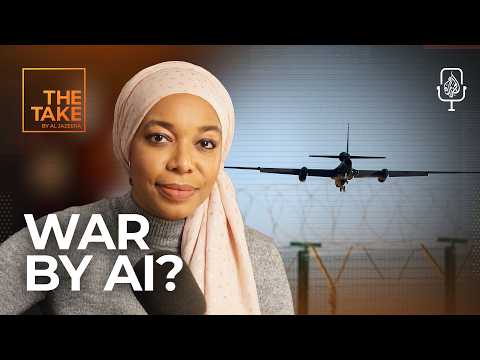
Tehran is rapidly investing in artificial intelligence, deploying AI technologies across various sectors, including surveillance, censorship, and military applications. Despite crippling international sanctions, Iran's government has allocated significant resources to develop its AI capabilities, aiming to become a regional leader in advanced technology and potentially reshape its geopolitical standing. The push for AI is led by a coalition of government entities and private companies, with the Islamic Revolutionary Guard Corps (IRGC) playing a central role.
The Foundation of Iran's AI Development
Iran's interest in AI dates back several decades, but the recent surge in investment and strategic focus is driven by a combination of factors, including the desire to circumvent sanctions, enhance national security, and project regional influence. Historically, Iran's technological advancements have been hampered by limited access to international markets and advanced technologies. The AI initiative represents a strategic attempt to leapfrog these constraints by developing indigenous capabilities. This is further incentivized by the US sanctions regime, which makes importing AI hardware and software difficult, encouraging local innovation. The current Supreme Leader, Ali Khamenei, has repeatedly emphasized the importance of AI for Iran's future.
Implications for Regional Stability and Internal Control
The implications of Iran's AI development extend beyond its borders. The potential use of AI in surveillance and censorship raises serious human rights concerns, both domestically and in neighboring countries where Iran wields influence. Furthermore, AI-powered military technologies could alter the regional balance of power, potentially escalating conflicts and increasing instability. The development of sophisticated AI systems for cyber warfare also poses a significant threat to international security. Experts suggest that Iran's AI capabilities could be used to target critical infrastructure, spread disinformation, and disrupt financial systems in rival nations. This has led to increased scrutiny from international intelligence agencies and calls for stricter export controls on AI-related technologies.
The Impact on Iranian Society and Politics
The deployment of AI within Iran is already having a tangible impact on society and politics. Facial recognition technology is being used to monitor citizens, track dissidents, and enforce social norms. The government claims that these technologies are necessary to maintain order and combat crime, but critics argue that they are being used to suppress dissent and curtail freedom of expression. According to Dr. Fatima Rezai, a political analyst at the University of Tehran (though speaking unofficially), "AI is becoming a key tool for the Iranian government to consolidate its power and control the population. The lack of transparency and accountability surrounding its use is deeply concerning." Furthermore, the increasing reliance on AI in the economy could exacerbate existing inequalities, potentially leading to social unrest.
International Reactions and Future Trajectories
The international community is closely watching Iran's AI ambitions, with some countries expressing concern about the potential security risks. The United States has already imposed sanctions on several Iranian entities involved in AI development, and further measures are likely if Iran continues to pursue these technologies without adequate safeguards. European countries are also grappling with the challenge of balancing economic engagement with the need to prevent the proliferation of AI-enabled surveillance and military capabilities. In the coming years, Iran's AI trajectory will likely depend on a complex interplay of factors, including the effectiveness of international sanctions, the level of internal investment, and the political climate. It is likely that Iran will continue to prioritize AI development as a strategic imperative, regardless of international pressure.