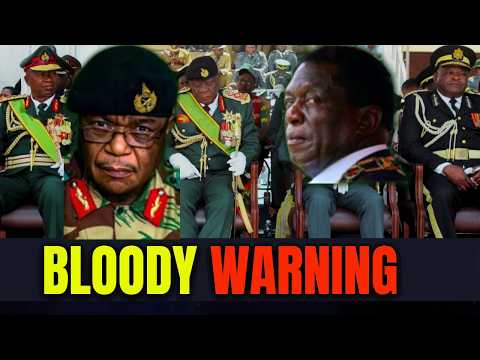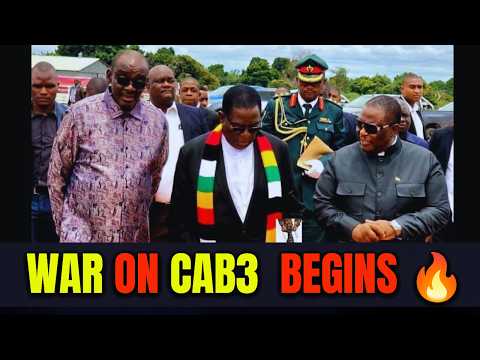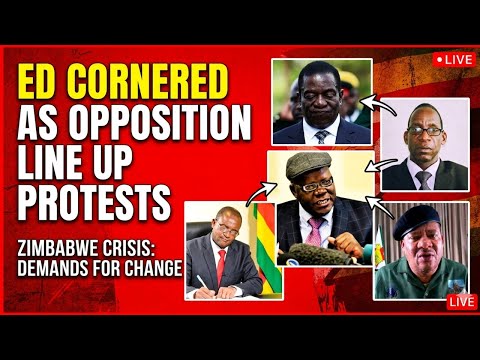
President ED is currently facing an unprecedented surge in political pressure as opposition factions finalize preparations for a wave of nationwide protests. The mobilization, reported by MBIRE TV, suggests a coordinated effort to challenge the current administration's grip on power. As the country braces for potential civil unrest, the political stability of the nation hangs in the balance, with observers noting that the scale of these planned demonstrations could mark a definitive turning point in the ongoing power struggle.
The Escalating Political Climate
The current climate of tension is the culmination of long-standing friction between the ruling administration and opposition entities. MBIRE TV’s coverage highlights that these nationwide protests are not isolated incidents but rather the result of a sustained campaign by opposition groups to force a change in the status quo. The background to this unrest is deeply rooted in the persistent economic and political challenges that have defined the current term, creating a volatile environment where the opposition feels emboldened to take their grievances to the streets on a national scale.
Strategic Analysis of the Opposition Movement
Analyzing the situation, it is clear that the opposition is leveraging a strategy of nationwide synchronization to maximize impact and stretch the government's security and administrative resources. By calling for protests across the country, the organizers aim to demonstrate a broad mandate of dissatisfaction that transcends regional boundaries. This tactical shift indicates a more sophisticated approach to political agitation, designed to place President ED under maximum scrutiny while simultaneously galvanizing a public that has grown increasingly vocal about its demands for systemic reform.
Regional Impact and Geopolitical Consequences
The potential for nationwide protests carries significant weight for the broader Southern African region. As a key player in the regional bloc, any instability within the borders of the nation inevitably ripples outward, affecting trade, diplomatic relations, and regional security protocols. The pressure on President ED is not merely a domestic concern; it is a geopolitical reality that neighboring states are watching with keen interest. The ability of the administration to manage this internal dissent without resorting to heavy-handed tactics will likely determine the country's standing in the eyes of the international community.
Public Sentiment and Stakeholder Reactions
Public discourse, as captured in the reporting by MBIRE TV, reflects a deeply polarized society. While supporters of the opposition view these protests as a necessary avenue for democratic expression and accountability, loyalists to the administration maintain that such actions are disruptive to national progress. Stakeholders across various sectors are now bracing for the economic impact of potential shutdowns, with businesses and civil society organizations weighing the risks of participation against the necessity of voicing their concerns in an increasingly pressurized environment.
Future Outlook and Monitoring the Situation
Looking ahead, the focus remains firmly on the government’s response to the looming protests. Observers should monitor whether the administration chooses a path of dialogue or confrontation, as this decision will dictate the trajectory of the coming weeks. The capacity of the opposition to maintain momentum and the government's ability to maintain order will be the primary variables in this unfolding narrative. As the situation develops, the international community will be looking for signs of adherence to democratic norms and the preservation of human rights during what promises to be a highly consequential period for the nation.