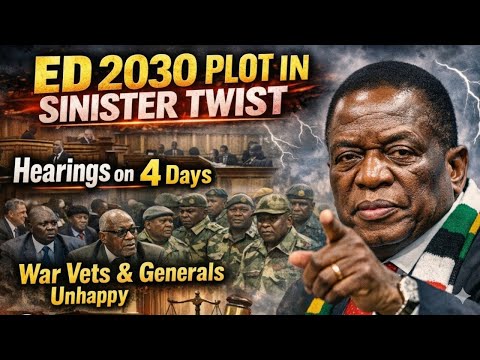
The political landscape is fracturing as the controversial 'ED 2030' plot faces unprecedented resistance from within the nation's security establishment. Reports from Mbire TV indicate that war veterans and high-ranking military generals have expressed deep unhappiness regarding the current trajectory of the project. Simultaneously, civil activists have escalated their opposition by taking the matter to the courts, signaling a widening rift that threatens to destabilize the existing power structure.
The Roots of the ED 2030 Controversy
The 'ED 2030' initiative has become the focal point of intense national debate, centering on long-term political positioning and succession agendas. For months, the movement has been shrouded in speculation regarding its ultimate objectives and the constitutional implications of extending influence through the turn of the decade. The sudden vocalization of dissent from war veterans—the bedrock of the nation's liberation history—suggests that the internal consensus that once held this power bloc together is rapidly eroding.
Strategic Analysis of the Growing Divide
This development signifies more than mere political infighting; it represents a fundamental clash between institutional loyalists and those seeking legal redress. The involvement of the judiciary marks a transition from political posturing to a formal, institutionalized challenge. When generals and war veterans—factions traditionally aligned with the state's core interests—publicly align with their unhappiness, the structural integrity of the ED 2030 project is compromised, forcing observers to question the longevity of the current political roadmap.
Real-World Consequences for National Stability
The convergence of military dissatisfaction and judicial activism creates a volatile environment. The impact on Southern Africa remains significant, as regional stability is often tethered to the political health of its key neighbors. If the security sector continues to display public signs of discontent, it could lead to a broader crisis of authority. The potential for the courts to intervene in what is essentially a high-stakes political chess game could fundamentally alter the governance landscape, creating a precedent for how future succession or extension agendas are handled.
Public and Stakeholder Reaction
The reaction from various stakeholders has been sharp and immediate. Activists are leveraging the legal system to test the constitutional limits of the ED 2030 agenda, hoping to stall its momentum through injunctions and oversight. Meanwhile, the silence from official government channels regarding the specific grievances of the generals has only fueled further speculation. The public is watching closely, as the alignment of veteran cadres with court-based activism suggests a rare, multi-pronged approach to challenging the status quo.
What to Watch for Next
As the legal challenges proceed, the most critical indicator to monitor will be the response from the judiciary and whether it chooses to address the merits of the activists' claims or defer to executive authority. Furthermore, the behavior of the military leadership in the coming weeks will determine if this discontent remains a localized expression of frustration or if it escalates into a full-scale institutional crisis. All eyes remain on Mbire TV for further updates as this high-stakes narrative continues to unfold.