A Promise Broken, A Party Fractured
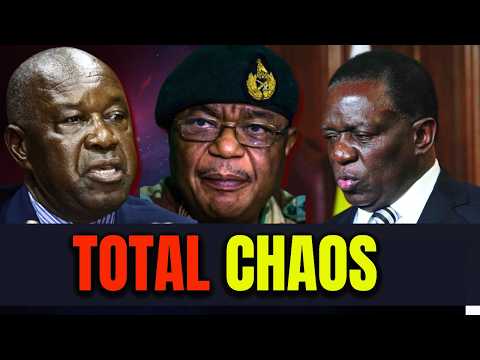
Victor Matemadanda was not an ordinary party functionary. As the Zimbabwe National Liberation War Veterans Association secretary-general and later Mnangagwa’s own political commissar, he was the link between the president’s Lacoste faction and the tens of thousands of former guerrillas who lent their guns and moral authority to the 2017 “military-assisted transition.” Rewards were supposed to follow: pensions, medical care, and a permanent seat at the patronage table. Instead, since 2020 war veterans’ gratuities have been slashed by 40% in real terms, and the Presidential War Veterans Fund, once a R1.2 billion (US$65 million) annual slush fund, has been folded into a cash-strapped Ministry of Defence beset by procurement scandals.
“Refusing Matemadanda was a message to every veteran: you are disposable once you are no longer useful,” said Dr. Pedzisayi Ruhanya, director of the Zimbabwe Democracy Institute and a long-time tracker of intra-party purges. “The president sealed Matemadanda’s fate with the same signature he used to sign luxury vehicle waivers for loyalist youth league leaders. That contrast will not be forgotten.” Data from the Zimbabwe National Statistics Agency show that medical treatment abroad cost Zimbabweans US$219 million in 2023, yet the state budget for war veterans’ health is a meagre US$2.2 million, covering barely 600 dialysis sessions nationwide.
The snub is already reverberating in Southern Africa. Regional intelligence briefs circulated by SADC’s early-warning system note a “heightened risk of violent protest by ex-combatants” in Zimbabwe, with the potential to disrupt the country’s critical road and rail corridors that carry Zambian copper, Congolese cobalt and South African manufactured goods to Beira and Dar es Salaam. A destabilised Zimbabwe would, within weeks, send a new wave of economic refugees across the Limpopo River into South Africa, further inflaming anti-immigrant sentiment in Gauteng and Limpopo provinces.
The War Veterans’ Calculus
Matemadanda’s death strips away the last patina of unity between Mnangagwa and the armed wing of the party. Already, veterans groups in Mashonaland West—Mnangagwa’s home province—have held private meetings in Chinhoyi invoking the name of the late General Solomon Mujuru, warning that the liberation creed of “forward ever” is being betrayed by a narrow palace clique. The National War Veterans Association is due to elect new leadership in July; three contenders have privately vowed to make Matemadanda’s case a rallying cry.
Economic data underscores the desperation. Zimbabwe’s official unemployment rate hovers at 85%, yet war veterans—most over 65—report incomes below the food-poverty line of US$32 per month. The Zimbabwe National Army pension gap alone is an unfunded US$1.1 billion. When a figure of Matemadanda’s stature dies begging for dialysis, the rift between the liberation generation and their political children becomes a chasm no ZANU-PF congress can paper over.
The regional implications are as stark as the human tragedy. Southern Africa’s most fragile state is entering its 2028 election cycle with a restive war-veteran base, a currency that lost 70% of its value in the first quarter, and a president whose legitimacy rests on a 2017 coup now being denied its own foot soldiers. As Matemadanda’s body was carried to his rural home in Mhondoro, the men in faded camouflage jackets who lowered his casket muttered a single phrase: “Hazvife zvakaperera apa”—this will not end here.