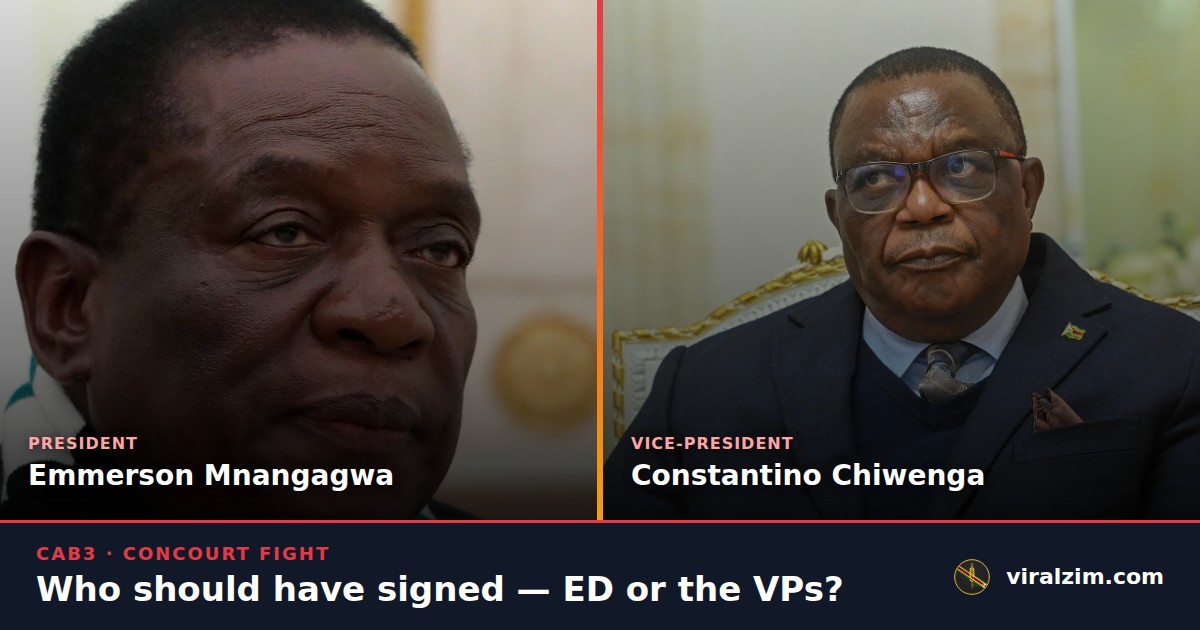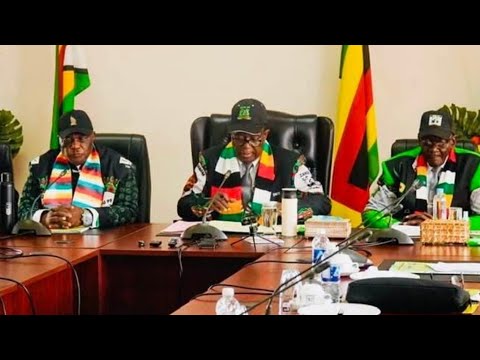
In a striking display of political theater that has sent shockwaves through observers, President Mnangagwa reportedly refused an offer of water from Vice President Chiwenga during a recent public engagement. Instead, the President pointedly opted to accept water provided by Vice President Mohadi. This unexpected sequence of events, captured and disseminated by Hloniphani Global News TV, highlights a visible fracture in the high-level dynamics of the executive branch.
The Context of Executive Protocol
Public appearances by state officials are meticulously choreographed affairs where every gesture is scrutinized for symbolic meaning. The refusal of a simple offering such as water in a public setting deviates significantly from standard diplomatic and executive protocol. This incident, as reported by Hloniphani Global News TV, suggests that the underlying tensions within the leadership structure have reached a point where they are no longer being concealed behind the veneer of official unity. For those monitoring the stability of the administration, this moment serves as a rare, unfiltered look at the personal and political friction occurring at the highest levels of government.
Analyzing the Symbolic Shift
From an analytical perspective, the preference for water from Mohadi over Chiwenga is being interpreted as a deliberate signaling mechanism. In political environments where overt disagreements are rare, symbolic actions become the primary language of dissent or alignment. By choosing to accept a basic necessity from one subordinate while explicitly bypassing another, the leadership is effectively communicating a shift in trust and alliance. This event forces a re-evaluation of the internal power balance, suggesting that the hierarchy of influence surrounding the President is undergoing a significant and public recalibration.
Impact on Governance and Stability
The real-world significance of this incident lies in its potential to destabilize public perception of government cohesion. When the top tier of leadership displays such visible friction, it inevitably creates uncertainty among stakeholders, investors, and the general public. The ripple effects of this interaction extend beyond mere optics; they raise questions about the functionality of the administration and the efficacy of its decision-making processes. In a nation where political stability is the bedrock of economic and social progress, such public displays of discord are often viewed as precursors to broader administrative shifts.
Public and Stakeholder Reaction
The reaction to the Hloniphani Global News TV footage has been swift, with audiences dissecting the body language and the implications of the refusal. Social media platforms and political forums have become hubs for intense debate, as citizens and analysts attempt to decipher the true meaning behind the snub. The discourse reflects a deep-seated anxiety regarding the future of the current executive arrangement. Stakeholders are now closely watching for any follow-up actions or official statements that might mitigate the fallout from this highly visible and unconventional moment of political theater.
What to Watch For Next
As this story continues to develop, the focus shifts to how the individuals involved will navigate their next public appearances. Observers will be looking for signs of reconciliation or further distancing in subsequent state functions. Any changes in the official program, the seating arrangements, or the frequency of joint appearances between the President and his deputies will be critical indicators of the state of their relationship. The public will remain vigilant, waiting to see if this incident was an isolated moment of tension or a definitive turning point in the internal power dynamics of the administration.