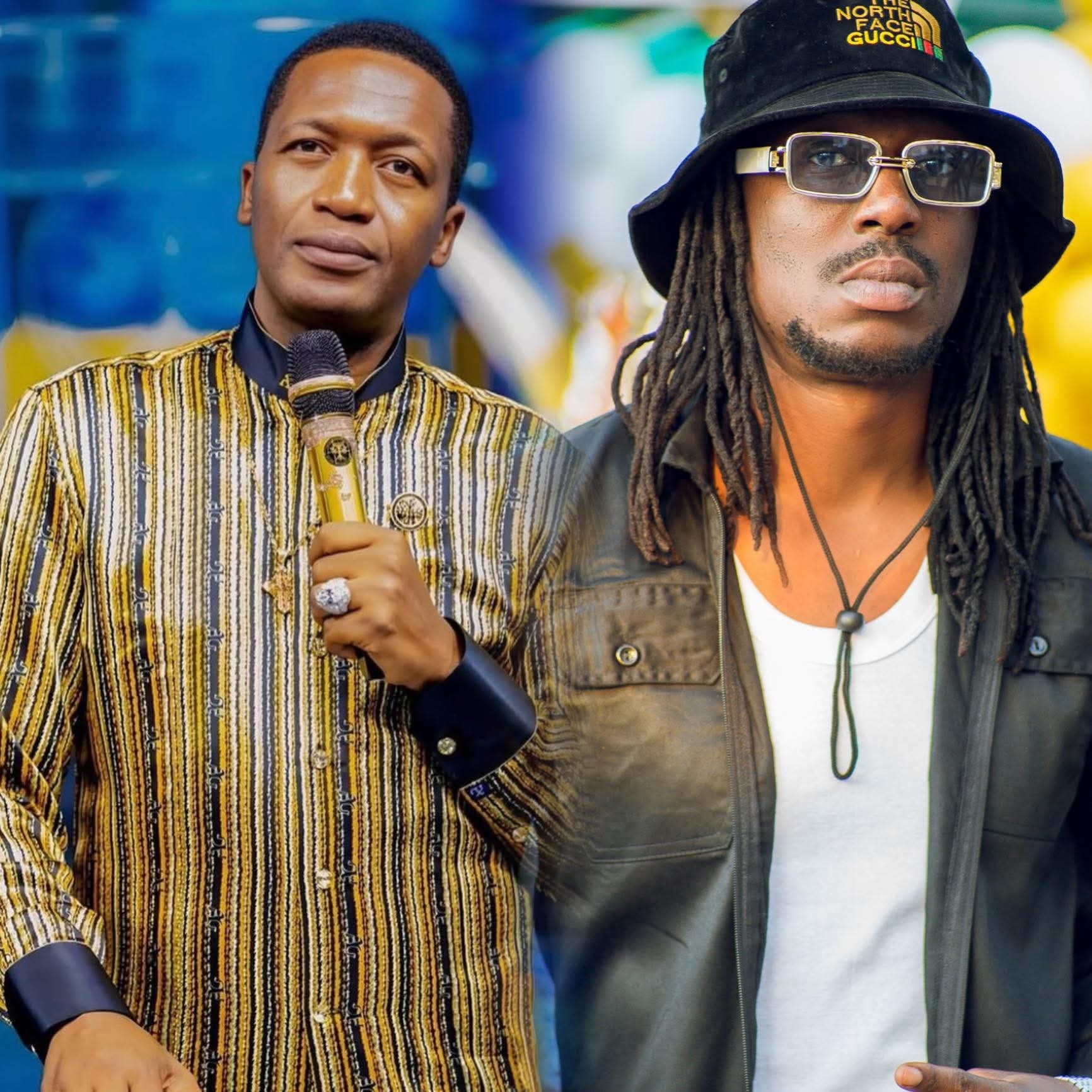
Dancehall firebrand Dhadza D, once the undisputed king of the Zimbabwean street-dancehall circuit, has officially abandoned his secular roots to join Prophet Uebert Angel’s Spirit Embassy: Good News Church. This high-profile conversion marks a seismic shift in the country's entertainment industry, as one of the most recognizable voices in Zimdancehall pivots from the gritty, hedonistic themes of the ghetto to the polished, prosperity-focused gospel of one of Africa’s most controversial religious figures.
The Economics of the Pulpit
Dhadza D, born Darlington Zhanje, rose to prominence in the mid-2000s, defining the sound of a generation struggling under the weight of hyperinflation and economic collapse. His transition follows a pattern seen across Southern Africa, where the 'Prophetic' movement has become a lucrative alternative to the struggling music industry. Spirit Embassy, led by Uebert Angel—who previously served as Zimbabwe’s Presidential Envoy and Ambassador at Large—operates a global network of wealth-gospel ministries. For an artist like Dhadza D, who has faced years of dwindling performance fees in a stagnant Zimbabwean economy, the church offers not just spiritual sanctuary but a stable, international platform that secular promoters in Harare can no longer guarantee.
Geopolitical Influence and Religious Soft Power
The alignment of a major cultural influencer with a figure like Angel is not merely a spiritual choice; it is a geopolitical maneuver. In Southern Africa, the lines between political power, religious influence, and celebrity culture are increasingly blurred. By absorbing icons like Dhadza D, the Spirit Embassy strengthens its soft power, effectively capturing the loyalty of the youth demographic that once looked to the artist for social commentary. This integration mirrors the broader regional trend where religious institutions are filling the vacuum left by failed state services, effectively becoming the primary influencers of public opinion in Zimbabwe, Zambia, and South Africa.
The Cost of Conversion
Industry analysts point to a 40% decline in the profitability of live Zimdancehall shows over the past three years due to erratic power supply and a shrinking middle class. 'When your main stage is a dying economy, the church becomes the only venue with consistent funding,' says Harare-based cultural critic Tendai Moyo. The consequences are clear: the music is changing. Dhadza D’s transition into the music ministry of Spirit Embassy means his lyrical focus will shift from the 'ghetto struggles' to the 'good news' of prosperity theology. This transition effectively sterilizes one of the most potent voices of dissent in the country, turning a protest singer into a congregational entertainer.
Public Outcry and Institutional Silence
The reaction from the Zimbabwean public has been polarized. While loyal fans celebrate his 'salvation,' others view it as a strategic retreat into a protective bubble. 'Dhadza D was the voice of the streets. Now, he is the voice of a private jet-owning prophet,' one fan commented on social media. Government officials have remained largely silent, likely because the Spirit Embassy maintains close ties with the political elite. The church, however, has been vocal, with a spokesperson stating, 'We are not just saving souls; we are refining talent for the glory of the Kingdom.' This institutional endorsement provides Dhadza D with a level of protection and legitimacy that few independent artists in the region enjoy.
The Future of the Zimdancehall Diaspora
Looking ahead, we expect a wave of similar conversions as the economic pressure on secular artists intensifies. Dhadza D’s move is a template for the survival of the Zimbabwean entertainer in an era of instability. As he begins his tenure in the Spirit Embassy music ministry, the question remains whether he will retain his creative autonomy or be fully absorbed into the church’s corporate machine. For Southern Africa, this signals a broader trend: the pulpit is replacing the stage as the primary site of cultural and political discourse, and the consequences for the region’s independent artistic expression could be permanent.