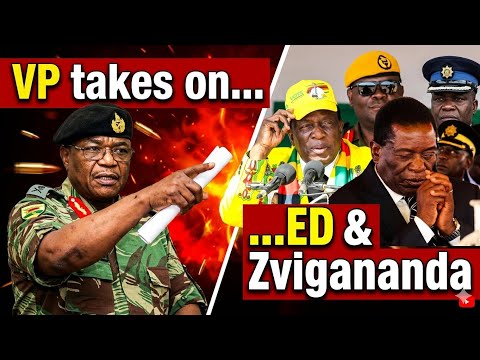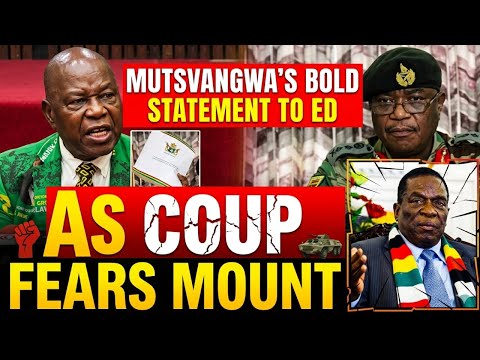
Internal fractures within Zimbabwe’s ruling party, ZANU-PF, have burst into the open, fueling speculation of a potential power struggle at the highest levels of government. Chris Mutsvangwa, a prominent party stalwart, has issued a direct and provocative challenge to President Emmerson Mnangagwa, signaling a deepening rift that threatens the stability of the administration.
The conflict, which has been simmering behind closed doors, centers on the party’s direction and the consolidation of power. Mutsvangwa’s recent rhetoric suggests a growing discontent with the current leadership’s trajectory, particularly concerning the party’s internal democratic processes and the handling of economic challenges that continue to plague the nation. For Zimbabwe and the wider Southern African region, this escalation is critical; political instability in Harare often triggers economic volatility, impacting regional trade, migration patterns, and investor confidence across the SADC bloc.
A Direct Challenge to Executive Power
Mutsvangwa’s public stance is widely interpreted as a signal to the party’s grassroots and the military establishment—a group that remains a key power broker in Zimbabwean politics. Political analysts note that such open defiance is rare and indicates that the internal consensus that brought Mnangagwa to power in 2017 is fraying. 'The challenge to Mnangagwa’s authority is not just about policy; it is a fundamental question of who controls the party’s future,' says one regional security expert. The geopolitical implications are vast, as any perceived weakness in the Zimbabwean presidency could embolden opposition forces and invite renewed scrutiny from international bodies regarding human rights and governance.
The tension underscores a broader struggle for control within the party, with factions vying for influence ahead of future electoral cycles. As the rhetoric hardens, the potential for a swift change in leadership or a crackdown on dissent remains a primary concern for regional observers.
This power struggle is not an isolated event but a reflection of the fragile political ecosystem in Southern Africa, where the transition of power and the maintenance of ruling party dominance remain central, often volatile, themes.