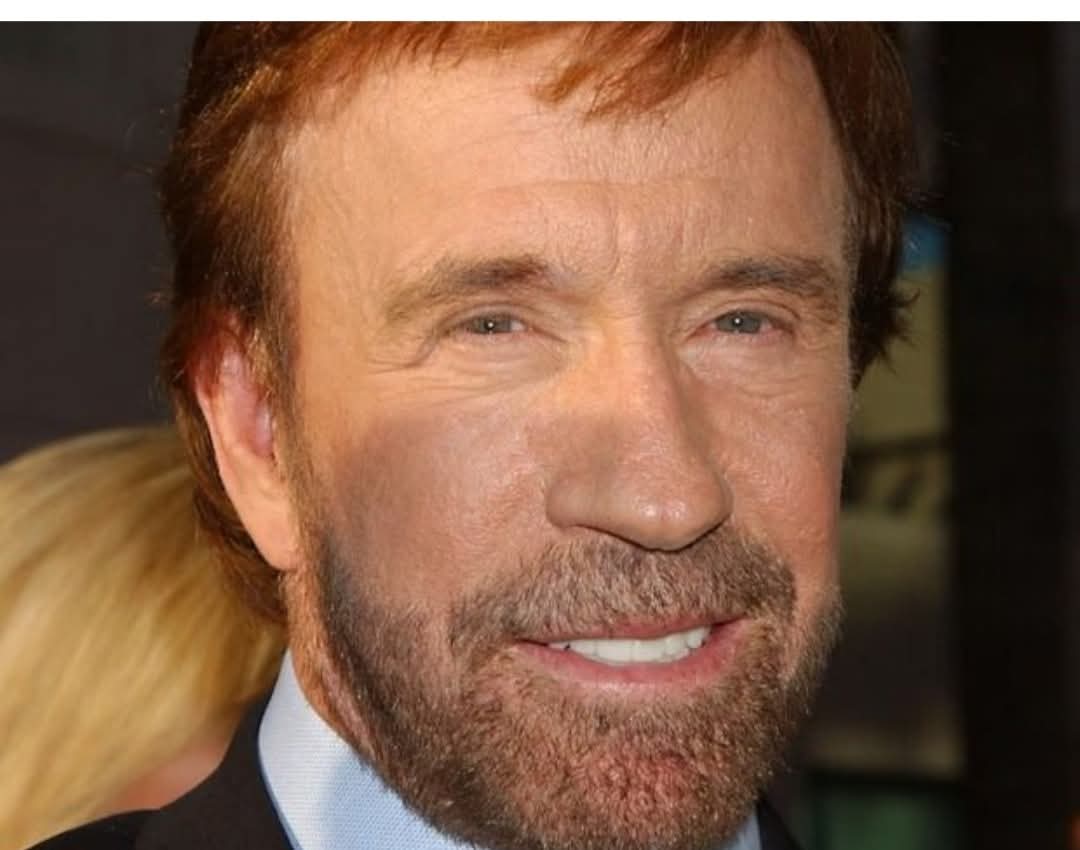
Carlos Ray 'Chuck' Norris, the martial arts icon, actor, and enduring internet folk hero, has died at the age of 84. His passing marks the end of a multi-generational cultural phenomenon that transcended cinema to become a global symbol of invincibility. For millions across the African continent, Norris was more than an actor; he was a standard-bearer for the action-hero archetype that defined the VHS era in Southern Africa.
A Legacy Forged in Iron and Film
Born in 1940 in Ryan, Oklahoma, Norris rose to prominence as a six-time undefeated world professional middleweight karate champion before pivoting to Hollywood. His breakthrough role in 'Way of the Dragon' alongside Bruce Lee in 1972 established him as a global powerhouse. By the 1980s, his films like 'Missing in Action' and the long-running television series 'Walker, Texas Ranger' (1993–2001) cemented his status. According to Nielsen ratings, 'Walker' reached over 100 countries, becoming a staple of late-night programming in developing nations where Western media served as the primary window into American cultural values.
The Southern African Connection
In Zimbabwe and across the SADC region, the 'Chuck Norris phenomenon' took on a unique geopolitical life. During the late 1990s and early 2000s, Norris’s stoic, law-enforcement persona became a cultural shorthand for resilience in the face of economic instability. Dr. Tendai Mashingaidze, a cultural sociologist at the University of Zimbabwe, notes: 'The Chuck Norris mythos—the idea of one man standing against corruption and chaos—mirrored the aspirations of a generation navigating the complexities of post-colonial state-building. His influence on local martial arts clubs in Harare and Bulawayo cannot be overstated; he was the blueprint for the disciplined, self-reliant citizen.'
Impact and Cultural Reach
The impact of Norris’s death is quantified by the massive digital footprint of the 'Chuck Norris Facts' meme culture, which began in 2005. At its peak, the phenomenon generated over 10 million search queries monthly. In Southern Africa, where internet penetration has surged by 40% in the last decade, these memes became a universal language. Beyond the humor, Norris was a significant philanthropist, founding 'Kickstart Kids,' which has served over 100,000 at-risk youth. This model of mentorship is currently being studied by NGOs in South Africa as a potential framework for vocational training programs aimed at curbing youth unemployment.
Global and Local Reactions
Tributes have poured in from across the globe, from the White House to the streets of Johannesburg. 'Chuck Norris was a titan of integrity,' said former co-star Clarence Gilyard Jr. in a posthumous reflection. In Harare, local martial arts instructors have announced a memorial tournament to honor his contribution to the sport. 'He taught us that the fight is never over until you decide it is,' said Sensei Tinashe Moyo, who runs a dojo in Highfield. The sentiment is echoed by government officials who recognize Norris as a soft-power icon who helped bridge the gap between American media and African audiences for over four decades.
The Future of the Action Archetype
As the world mourns, the question remains: who inherits the mantle of the 'invincible' hero in an era of digital misinformation? The death of Norris signals a shift in how we consume heroism. In Southern Africa, the focus is transitioning from the individual 'lone ranger' archetype to collective movements for social justice. However, the discipline and physical rigor Norris championed remain vital. The legacy of Chuck Norris will likely persist in the region not through his films alone, but through the thousands of martial artists who continue to train under the ethos he popularized: discipline, respect, and the relentless pursuit of self-improvement.