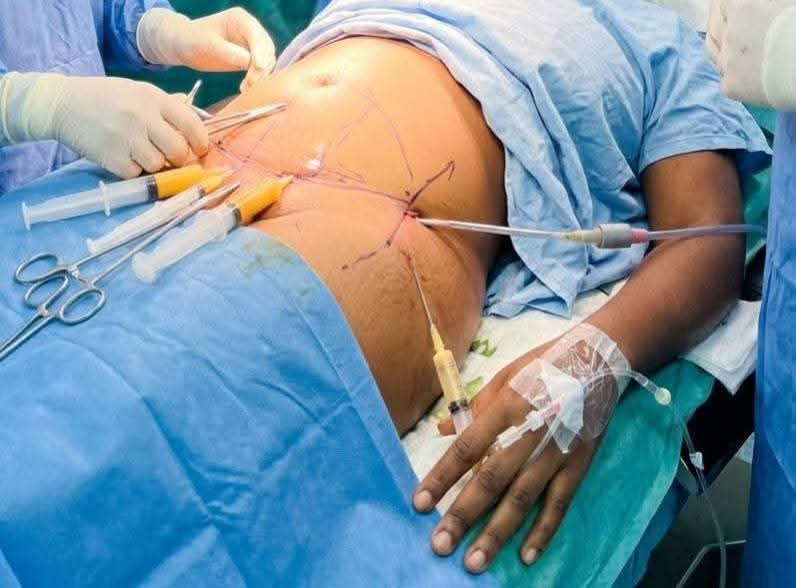
The viral confirmation that Zimbabwean social media personality Chipo 'Trouble Causer' underwent a Brazilian Butt Lift (BBL) has shattered the facade of aspirational aesthetics, exposing a lethal, unregulated black market for cosmetic surgery that is currently sweeping across Southern Africa. While the procedure was framed as a personal lifestyle choice, it highlights a broader, systemic crisis where vulnerable women are risking their lives in substandard facilities, driven by a distorted digital culture that prizes physical transformation over medical safety. This is not merely a story of celebrity vanity; it is a public health emergency fueled by social media influence and a lack of regional regulatory oversight.
The Rise of the 'Instagram Aesthetic' in Harare
The obsession with BBL procedures—a surgery consistently ranked as the most dangerous cosmetic operation due to high rates of fat embolism—has surged in Zimbabwe over the last 24 months. Data from the Medical and Dental Practitioners Council of Zimbabwe (MDPCZ) indicates a 40% increase in inquiries regarding cosmetic tourism, yet the country lacks a dedicated framework for aesthetic surgery accreditation. Historically, the Zimbabwean middle class looked to South Africa for medical procedures, but the proliferation of 'backyard' clinics in Harare and Bulawayo has created a dangerous alternative. Chipo’s public disclosure serves as a catalyst for a conversation that has long been suppressed: the intersection of digital influence and medical malpractice.
Geopolitical Implications for Southern Africa
For Zimbabwe and the wider SADC region, the 'Chipo effect' signifies a dangerous shift in health-seeking behavior. When high-profile figures normalize high-risk procedures without disclosing the potential for post-operative complications, they inadvertently validate unlicensed practitioners. Dr. Tendai Moyo, a public health analyst based in Johannesburg, notes, 'The regional impact is profound. We are seeing a cross-border flow of patients seeking cheap, unregulated surgery in neighboring states where oversight is non-existent. This creates a burden on public health systems that must eventually treat the septic, botched results of these vanity procedures.' The geopolitical reality is that Southern Africa is becoming a hub for medical tourism that prioritizes profit over patient survival.
Real-World Consequences and Medical Data
The medical reality of BBLs is stark. According to the International Society of Aesthetic Plastic Surgery (ISAPS), the mortality rate for BBLs is significantly higher than any other cosmetic procedure, often exceeding 1 in 3,000 cases. In Zimbabwe, the lack of post-operative care infrastructure means that even minor complications can turn fatal. Local clinics often operate without intensive care units (ICUs) or blood transfusion capabilities. The 'Trouble Causer' case has brought these statistics into the living rooms of millions, yet the allure of the 'perfect body' continues to outweigh the documented risks of necrosis, pulmonary embolism, and systemic infection.
Institutional Responses and Public Outcry
The public response has been deeply polarized. While some fans celebrate the transparency, medical institutions are sounding the alarm. A spokesperson for the Zimbabwe Medical Association stated, 'We are deeply concerned by the normalization of high-risk surgical procedures promoted by influencers who lack medical qualifications. It is irresponsible to glamorize a surgery that has claimed so many lives globally.' Meanwhile, on social media, the discourse has turned toxic, with critics accusing influencers of setting unattainable and dangerous standards for young women across the continent. The government remains largely silent, failing to implement policies that would categorize these procedures as high-risk medical interventions.
The Path Forward: Regulation or Tragedy
As the trend shows no signs of slowing, the path forward requires immediate legislative intervention. Without mandatory certification for cosmetic surgeons and strict advertising standards for medical procedures in Zimbabwe, more tragedies are inevitable. We are looking at a future where regional health ministries must collaborate to track the movement of medical tourists and establish a blacklist of unlicensed practitioners. The 'Chipo Trouble Causer' revelation is not the end of the story; it is a warning. If Southern Africa does not act to regulate this industry, the cost will be measured not in currency, but in the lives of the young women who follow these influencers into the operating theater.