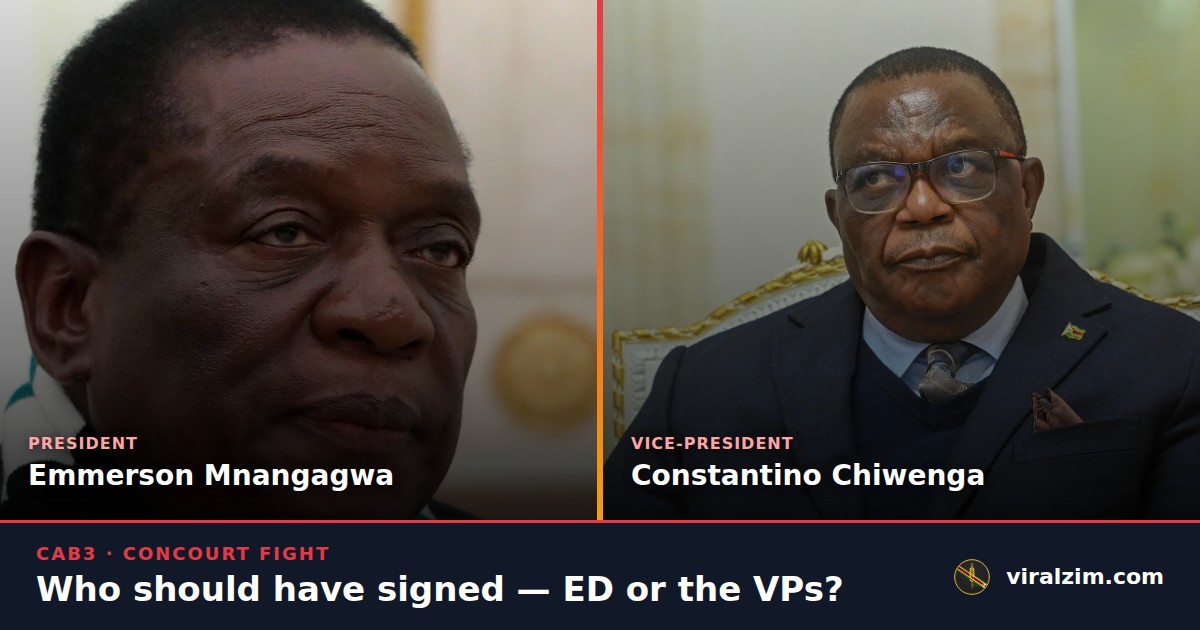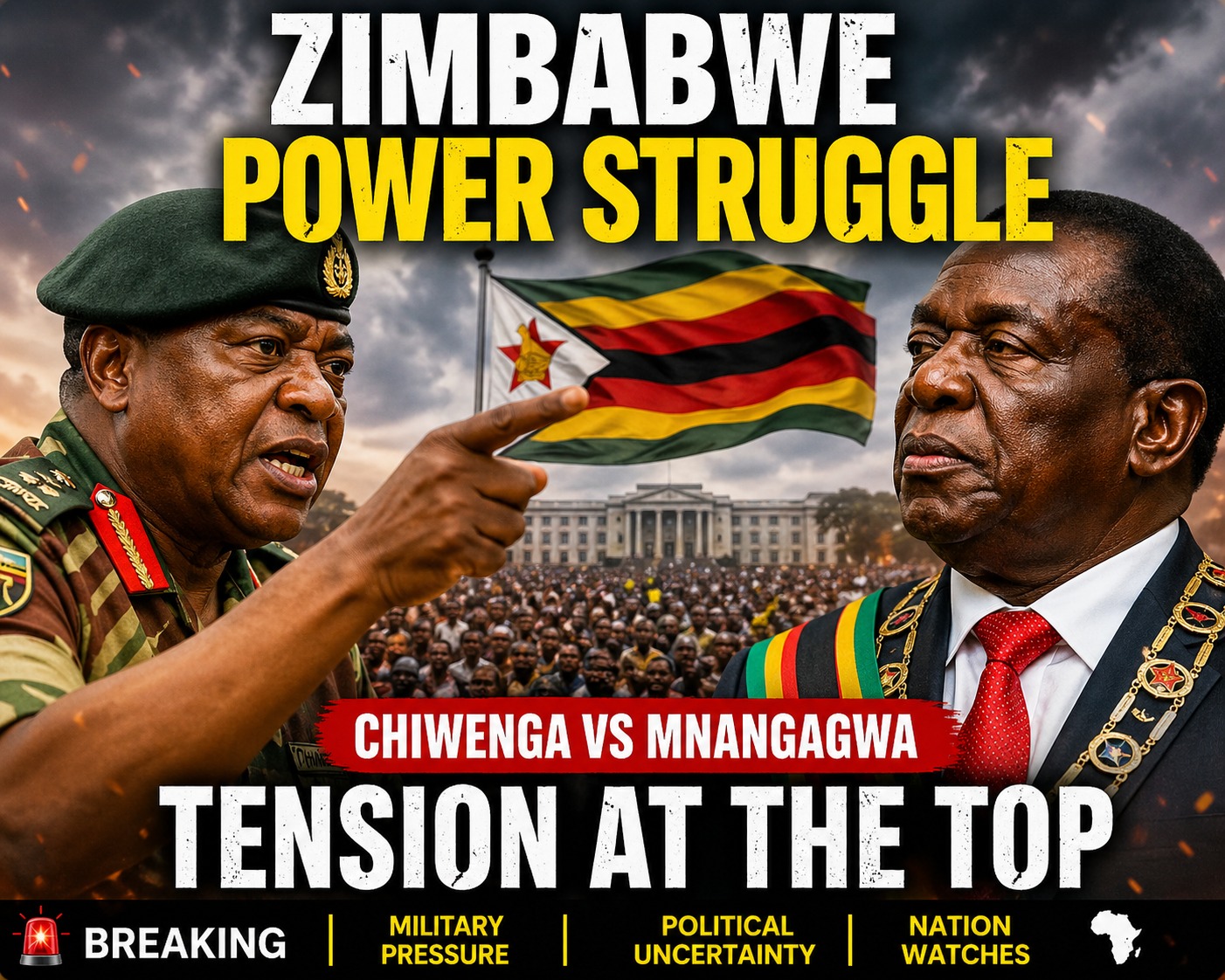
Chiwenga’s intervention is not framed as ordinary political commentary. It is delivered as a moral warning in a church setting, with the Hezekiah parable functioning as a coded message about tenure, legitimacy, and the danger of seeking more time to consolidate authority. In the biblical account, Hezekiah is granted additional years, but the narrative turns on what those years are consumed by—conflict and captivity rather than stability. Chiwenga’s political translation is blunt: additional time can be granted, but it can also be spent in ways that worsen the situation.
Hezekiah parable becomes a tenure warning
Chiwenga’s argument hinges on a simple political logic: leaders who ask for more time to secure their position may believe they are buying stability, but the extra time can instead intensify the very pressures they are trying to manage. In his telling, the lesson is that “asking for more years” can feel like a rescue from uncertainty, yet those years may be consumed by escalating conflict.
Hezekiah, in Chiwenga’s framing, is granted more time—yet the outcome is not peace. The war against his reign continues, and the additional years are effectively swallowed by the struggle. Chiwenga’s warning to Mnangagwa is therefore not only about time; it is about what time is used for, and what happens when political actors interpret extended tenure as permission to harden positions rather than negotiate outcomes.
Regional security stakes rise as internal succession pressure intensifies
When a vice president warns the president in such explicit terms, it can be read as more than personal disagreement. It can be interpreted as a challenge to the strategy of extending authority, and as a warning that attempts to secure additional time may trigger resistance, deepen factional conflict, and prolong instability. That is the core danger Chiwenga is pointing to: the belief that more time will reduce uncertainty can instead create a longer runway for confrontation.
In practical terms, the impact of the warning depends on how it is received inside the ruling party and among aligned constituencies. If it is treated as a sermon without political consequence, its effect may remain limited. But if it is interpreted as a challenge to Mnangagwa’s tenure strategy, it can harden positions—pushing actors to prepare for a longer and more dangerous contest rather than a negotiated settlement.
Chiwenga’s Hezekiah reference therefore should be read as a warning about trajectory, not just rhetoric. It suggests that the struggle over time, authority, and succession is entering a phase where the costs of delay and escalation may rise. Zimbabweans will soon see whether the message becomes a catalyst for negotiation—where actors seek off-ramps—or whether it is treated as a signal that the contest over who leads next will intensify.