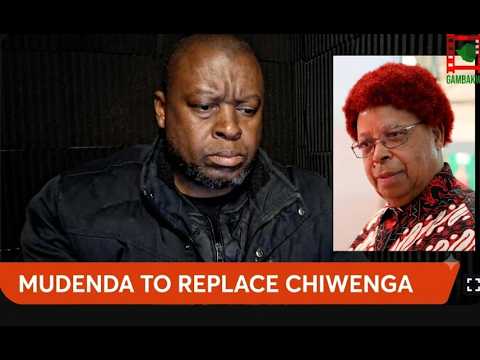
Zimbabwe is teetering on the edge of a significant political shift, with retired General Constantino Chiwenga emerging as the central figure in a growing movement to replace the current administration. As the country grapples with economic instability and a deteriorating security landscape, public sentiment has increasingly turned against President Emmerson Mnangagwa, with critics labeling his tenure as a period of systemic failure and repression.
The push for a leadership change has been bolstered by prominent voices, including retired Lieutenant General Winston Chigowe, who has publicly declared that Chiwenga is the designated successor to lead the Republic of Zimbabwe. This development comes at a time when the nation is witnessing a surge in civil unrest, with citizens demanding accountability and a departure from the status quo. The political atmosphere is further complicated by the alleged disappearance and killing of opposition figures, incidents that have drawn condemnation from both local and international observers.
A Nation at a Crossroads
The geopolitical implications for Southern Africa are profound. Zimbabwe’s stability remains a critical concern for the Southern African Development Community (SADC), as the country’s internal crises frequently spill over its borders, affecting regional trade and security. The call for a transition of power is not merely a domestic issue; it is a reflection of a broader regional desire for democratic consolidation and economic recovery. As the 2028 elections approach, the pressure on the current administration to address these grievances has reached a boiling point, with many arguing that the window for peaceful change is rapidly closing.
The economic toll on the populace has been severe, with rampant inflation and a lack of basic services fueling the public’s desire for a new direction. The emergence of Chiwenga as a potential leader is being framed by his supporters as a necessary intervention to restore order and legitimacy to the state. However, analysts warn that the transition process remains fraught with uncertainty, as entrenched political interests and the military’s influence continue to shape the trajectory of the nation’s future. The coming months will be a litmus test for Zimbabwe’s political institutions as they navigate this volatile period.