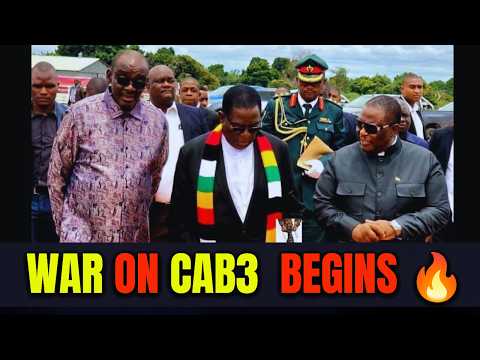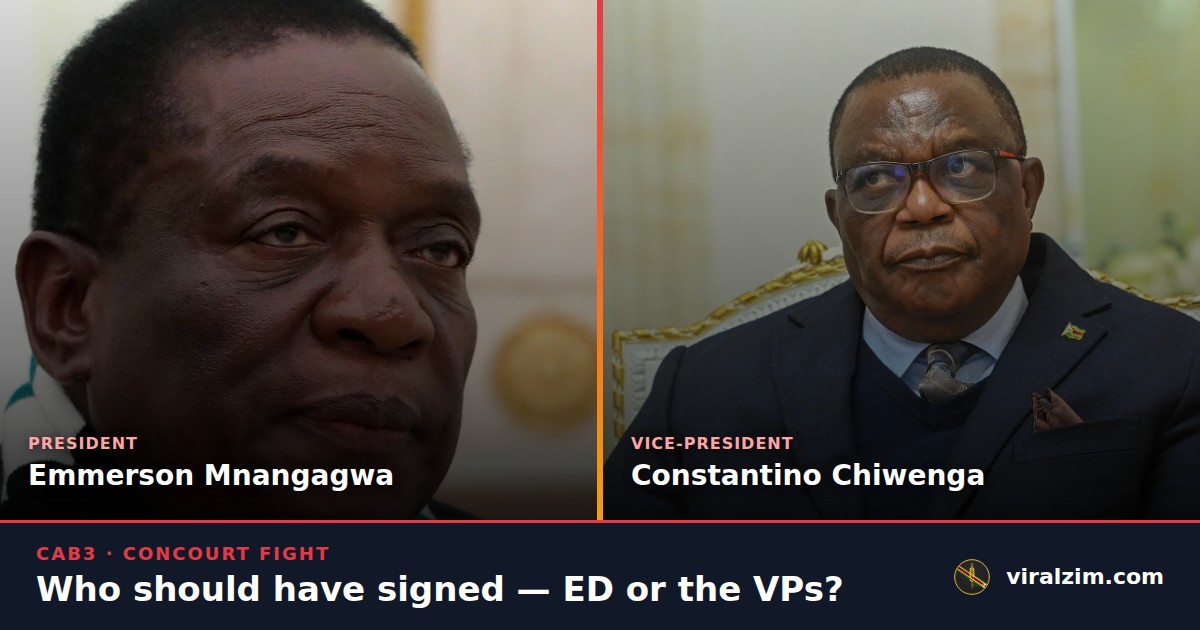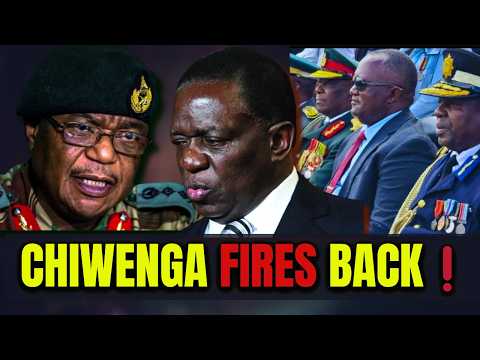
In a dramatic escalation of political hostilities, Chiwenga has officially fired back at Mnangagwa following explosive allegations of treason. The confrontation stems from a controversial letter penned by retired generals, which has triggered a high-stakes standoff between the two leaders. As the rhetoric intensifies, the core of the dispute centers on these treason threats and the potential destabilization of the existing power structure.
The Genesis of the Conflict
The current crisis traces its roots to an explosive letter authored by a group of retired generals. This document, which has sent shockwaves through the political establishment, appears to have challenged the current administration's authority. Mnangagwa’s subsequent characterization of the letter as an act of treason has fundamentally altered the political landscape, forcing a direct and public confrontation with Chiwenga. This is not merely a bureaucratic dispute; it is a fundamental challenge to the hierarchy that has governed the nation’s security and political apparatus.
Strategic Analysis of the Standoff
From an investigative standpoint, the move by Chiwenga to 'fire back' indicates a calculated effort to reclaim political agency in the face of legal and existential threats. By labeling the retired generals' correspondence as treason, Mnangagwa has effectively utilized the state’s judicial and security apparatus to silence dissent. However, Chiwenga’s refusal to back down suggests a deep-seated fracture within the power base. The use of the term 'treason' is a strategic escalation intended to isolate the dissenters, yet it has clearly backfired by prompting a public counter-offensive that exposes the fragility of the current leadership.
Regional Impact and Geopolitical Ripples
The implications of this internal power struggle extend far beyond the borders of the capital. In the context of Southern Africa, political stability in this nation is a cornerstone of regional security. The public nature of this feud threatens to undermine investor confidence and diplomatic relations. As the rhetoric shifts from policy debate to accusations of treason, the potential for a broader security crisis looms, forcing neighboring nations to monitor the situation with increasing concern regarding the impact on regional trade and stability.
Public and Institutional Reaction
The reaction to this unfolding saga has been polarized, with stakeholders across the political spectrum weighing in on the legitimacy of the treason claims. The channel 'Rumbie Uncensored' has become a focal point for the dissemination of these developments, highlighting the intense public interest in the rift between these two powerful figures. Observers note that the silence or vocal support from other military and political elites will be the ultimate indicator of who holds the upper hand in this high-stakes struggle for political survival.
The Path Forward
Moving forward, the focus will remain on whether these treason allegations lead to formal legal proceedings or if a back-channel settlement can be reached to avoid a total collapse of the current administration. Observers must watch for any further statements from the retired generals and whether the security services remain unified or begin to fracture along the lines of this dispute. The situation remains fluid, and the next few days will likely determine if this is a temporary political spat or the beginning of a significant transition of power.