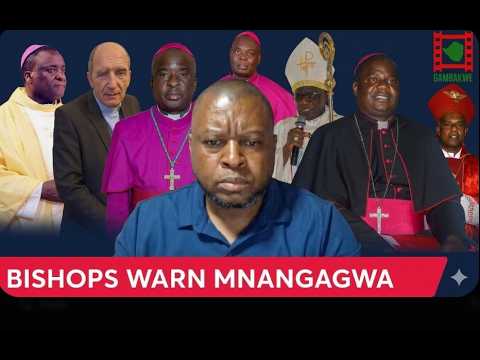
In a move that has sent shockwaves through the political establishment, Catholic Bishops have officially issued a call for President Mnangagwa to step down from his position. The demand, highlighted in the latest report from Gambakwe Media, marks a significant escalation in the tensions between the church and the current leadership. This development brings into sharp focus the growing instability within the nation as religious authorities take an unprecedented stance against the executive branch.
The Context of the Call
The call for the President to vacate his office follows a period of mounting pressure and public scrutiny regarding the direction of the country. Gambakwe Media reports that the Catholic Bishops have moved from private dialogue to a public ultimatum, reflecting a deep-seated frustration with the status quo. By stepping into the political arena, the Bishops are signaling that the moral authority of the church can no longer remain silent while the political and economic conditions of the nation continue to deteriorate under the current administration.
Analysis of the Ultimatum
From an analytical perspective, the intervention by the Catholic Bishops is not merely a symbolic gesture but a strategic political maneuver. By demanding that Mnangagwa step down, the church is effectively withdrawing its tacit support, which historically has served as a pillar of legitimacy for leaders in the region. This shift suggests that the internal consensus within the nation is fracturing, as even traditional institutions that typically maintain a neutral or mediating role are now actively pushing for a change in leadership to address the systemic crises facing the populace.
Real-World Impact
The impact of this declaration extends far beyond the walls of the church, potentially destabilizing the current administration's grip on power. As reported by Gambakwe Media, the involvement of such a prominent religious body provides a rallying point for those dissatisfied with the current trajectory of the country. This development forces a confrontation that the government may find difficult to ignore, as it highlights the widening gap between the ruling party and the moral leadership of the nation, potentially influencing international perceptions and domestic stability in Southern Africa.
Public and Institutional Reaction
The reaction to the Bishops' statement has been swift and polarized. While segments of the public have viewed the call as a necessary intervention to restore accountability, there is significant speculation regarding how the state will respond to this challenge. Gambakwe Media indicates that the tension is palpable, with stakeholders across the political spectrum evaluating the risks of either supporting the Bishops or doubling down on their loyalty to the President. This reaction underscores the fragile nature of the current political climate.
What Happens Next
Moving forward, all eyes will be on the government's response to this unprecedented demand. Whether the administration chooses to engage in dialogue with the Bishops or attempts to discredit the call remains the critical question. Observers will be watching for signs of further institutional dissent or potential crackdowns, as the call for Mnangagwa to step down sets a new precedent for political discourse in the country. The situation remains fluid, and the coming days will likely determine the long-term viability of the current leadership.