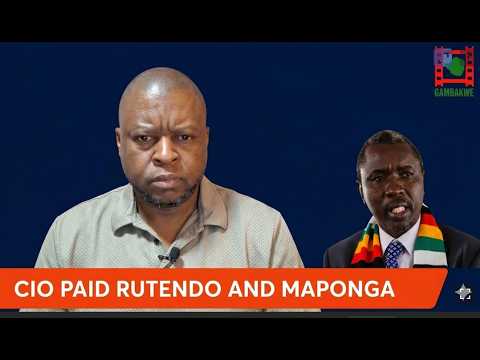
In a explosive development reported by Gambakwe Media, allegations have surfaced suggesting that prominent businessman Tagwirei and elements of the Zimbabwean intelligence apparatus have funneled millions of dollars in payments to individuals identified as Rutendo and Maponga. This revelation, which points to a sophisticated web of financial influence, raises critical questions regarding the intersection of private capital, state security operations, and public narrative control within the nation. The report, which has sent shockwaves through regional political observers, centers on the alleged illicit transfer of vast sums of money to these specific figures, purportedly to influence the political and social discourse in Zimbabwe.
The Mechanics of Alleged Financial Influence
The background of this controversy lies in the long-standing scrutiny surrounding Tagwirei’s influence on the Zimbabwean economy and his reported ties to the highest levels of the state. Gambakwe Media’s investigation suggests that these payments to Rutendo and Maponga were not merely transactional but were part of a broader strategy to leverage intelligence-backed funding to shape public opinion. By allegedly utilizing state intelligence resources to facilitate these multi-million dollar payouts, the actors involved have allegedly sought to consolidate power and neutralize dissent. This situation highlights a recurring pattern in Southern African politics where the lines between private corporate interests and state intelligence operations become increasingly blurred, often at the expense of transparency and democratic accountability.
Analyzing the Strategic Payoffs
From an analytical perspective, the involvement of intelligence agencies in financing specific individuals like Rutendo and Maponga suggests a concerted effort to manage the information landscape. If these allegations are proven accurate, the millions of dollars involved represent a significant investment in narrative warfare. In the context of Zimbabwe’s volatile political climate, such financial injections are often designed to create a veneer of grassroots support for state-aligned agendas. This indicates a shift from traditional propaganda methods to a more privatized model of influence, where intelligence funds are laundered through high-profile individuals to ensure the messaging appears authentic while remaining firmly under the control of state-aligned power brokers.
Regional Implications and Economic Consequences
The real-world significance of this report cannot be overstated, as it directly impacts the integrity of Zimbabwe’s political system and its broader economic stability. When millions of dollars are diverted from either private or state-linked coffers to pay for political influence, it distorts the market and undermines the rule of law. For Southern Africa, this serves as a cautionary tale regarding the dangers of state capture. The ripple effects of such financial arrangements often lead to increased corruption, the erosion of institutional trust, and a heightened risk of social instability, as citizens become increasingly aware of the vast resources being spent to manipulate their perceptions rather than addressing the country’s pressing socio-economic challenges.
Public Reaction and Stakeholder Accountability
The reaction from the public and political stakeholders has been one of intense scrutiny and demand for accountability. Gambakwe Media’s report has ignited a firestorm of debate, with many questioning the source of these millions and the specific mandates given to Rutendo and Maponga. Civil society groups and political analysts are calling for a full investigation into these alleged financial ties, arguing that the use of intelligence funds for such purposes constitutes a gross abuse of power. The discourse surrounding these revelations underscores a growing public fatigue with opaque financial dealings and a renewed demand for transparency in how influence is bought and sold within the corridors of power in Zimbabwe.
Future Trajectory of the Investigation
Moving forward, the focus will remain on whether any verifiable evidence emerges to substantiate these claims of millions in payments. Observers will be watching closely to see if there is a formal response from Tagwirei or the relevant intelligence authorities mentioned in the report. Furthermore, the continued activities of Rutendo and Maponga will be under the microscope as the public seeks to understand the extent of their alleged involvement with these state-aligned actors. As the situation develops, the primary concern for the international community and the people of Zimbabwe remains the preservation of democratic integrity and the urgent need to dismantle the structures that allow such alleged financial manipulation to flourish.