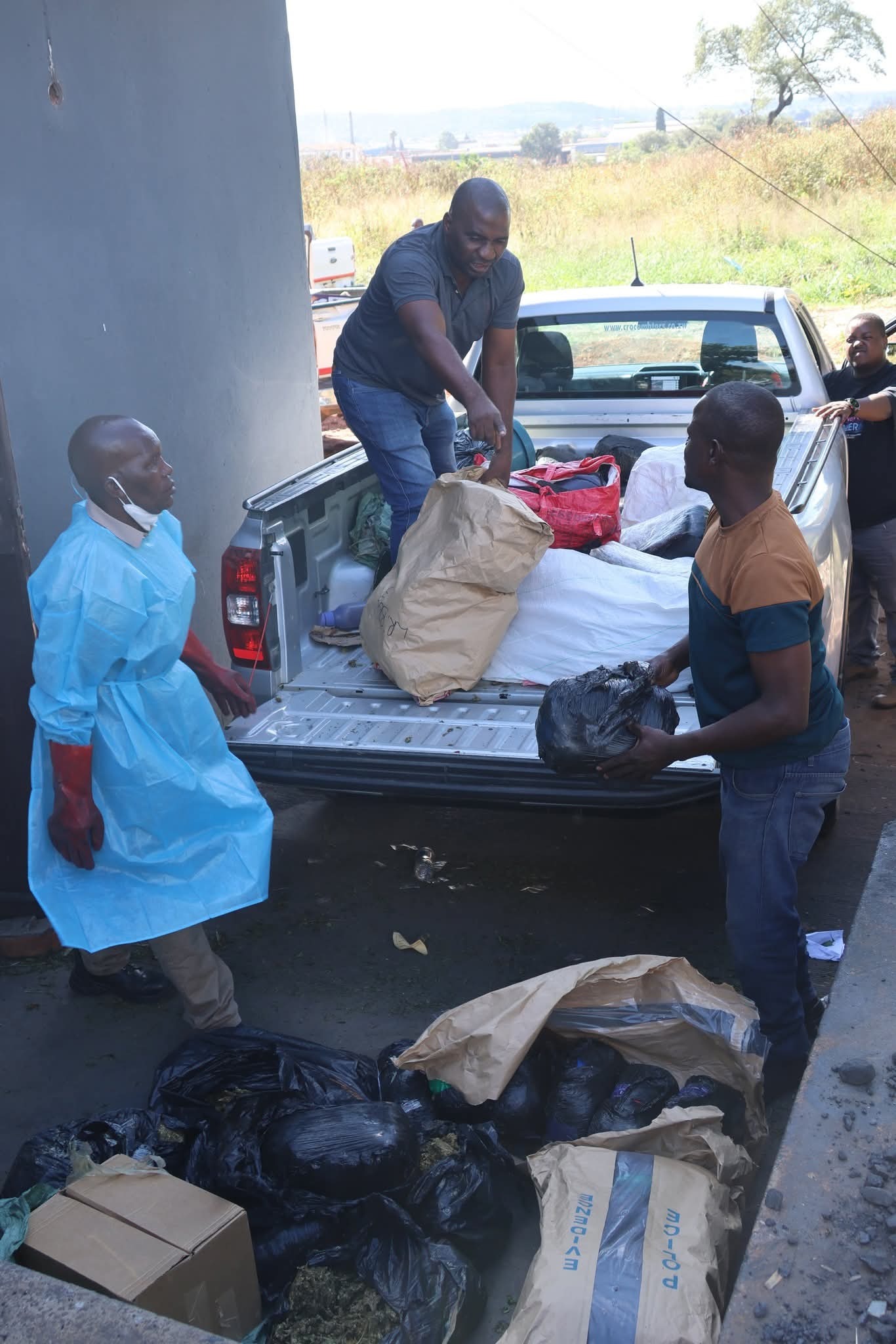
Zimbabwean authorities incinerated over one tonne of illicit substances at the Sally Mugabe Hospital facility this Thursday, marking a desperate attempt to curb a surging drug epidemic. The destruction, which included 394 litres of addictive cough syrup and crystal methamphetamine, follows a string of high-profile convictions that have failed to stem the tide of narcotics flooding the nation. This tactical display of enforcement underscores the ZRP’s struggle to secure porous borders against a sophisticated, transnational criminal network.
The Anatomy of a Growing Crisis
The narcotics trade in Zimbabwe has evolved from local cannabis cultivation to a complex pipeline involving synthetic drugs like 'mutoriro' (crystal meth). Historically, Zimbabwe served as a transit point for regional trafficking; however, data from the Zimbabwe National Statistics Agency indicates that domestic consumption has spiked by 40% since 2020. The inclusion of 96 kilograms of banned skin-lightening products in this week’s burn highlights the secondary market of unregulated imports that bypass the Medicines Control Authority of Zimbabwe (MCAZ). These products, often containing mercury and hydroquinone, represent a public health crisis that mirrors the unchecked flow of illicit pharmaceuticals across the SADC region.
Geopolitical Implications for Southern Africa
Zimbabwe sits at the heart of the Southern African Development Community (SADC) logistics corridor, making its drug problem a regional security threat. Analysts argue that the influx of crystal meth, often routed through Mozambique’s ports and South Africa’s border crossings, is destabilizing the labor force in Harare and beyond. 'When Zimbabwe becomes a regional hub for synthetic drugs, the entire Southern African economic bloc pays the price in lost productivity and increased organized crime,' says Dr. Tendai Mupfumi, a regional security analyst. The ZRP’s reliance on incineration as a primary deterrent is viewed by many as a reactive measure that fails to address the kingpins operating within the SADC trade routes.
Real-World Consequences: A Generation at Risk
The human cost of this trade is visible on the streets of Mbare and Highfield, where 'mutoriro' has become cheaper than a loaf of bread. According to local health workers, the prevalence of cough syrup abuse, often mixed with other substances, has led to a 25% increase in psychiatric admissions at public hospitals. The 394.46 litres of syrup destroyed this week represents only a fraction of the illicit pharmaceutical market. Without systemic intervention, the youth unemployment crisis in Zimbabwe will continue to provide a ready supply of both consumers and low-level street dealers for international cartels.
Institutional Responses and Public Skepticism
While the ZRP maintains that these incinerations are evidence of a 'zero-tolerance' policy, civil society remains unconvinced. Human rights activists argue that the police are focusing on small-scale peddlers while the masterminds behind the smuggling operations remain untouched. 'Burning drugs is a performance,' stated a spokesperson for a Harare-based anti-drug NGO. 'Unless we see the arrest and prosecution of the high-level syndicates moving these containers through the Beitbridge border, we are merely watching smoke disappear while the fire continues to burn.' Government officials, however, insist that current legislative reforms are tightening the net on traffickers.
The Road Ahead: Enforcement vs. Root Causes
Moving forward, the ZRP is under immense pressure to modernize its intelligence-led policing to dismantle the supply chains rather than just destroying the evidence. The integration of digital surveillance at border posts and increased cooperation with Interpol are touted as the next steps. However, true progress will require addressing the economic desperation that fuels the drug trade. As Zimbabwe approaches the next fiscal cycle, the allocation of resources toward rehabilitation centers and border security will be the true litmus test of whether the state is committed to ending the narcotics scourge or merely managing its symptoms.