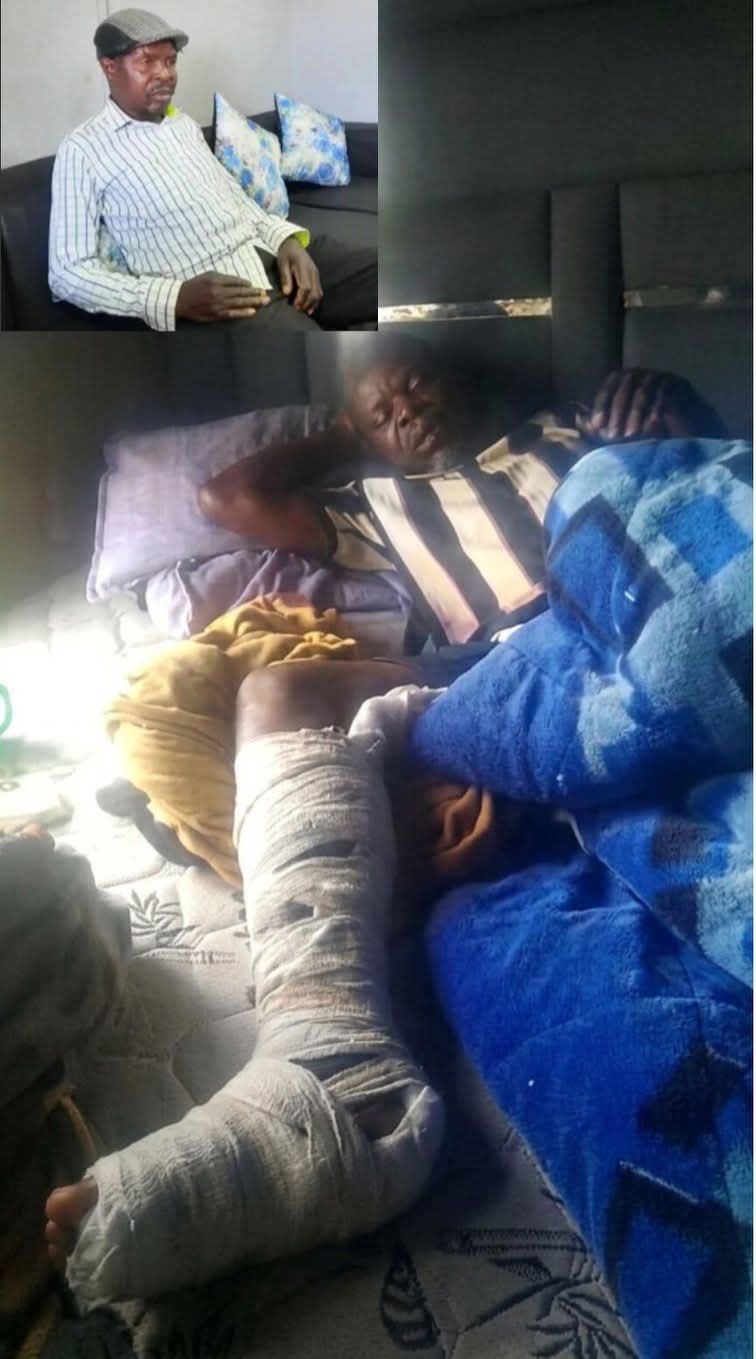
Legendary Zimbabwean Sungura musician Paradzai Mesi is fighting for recovery after suffering a fractured right leg in a callous hit-and-run incident in Dema this past Saturday morning. The Njerama Boys frontman, once a titan of the airwaves, now lies in agony as his family struggles to secure the medical funds necessary for his treatment. This incident serves as a brutal indictment of the precarious existence facing Southern Africa’s cultural icons, who often transition from national stardom to destitute obscurity without state protection.
The Fragility of Stardom: A Historical Context
Paradzai Mesi rose to prominence in the early 2000s, defining the sound of a generation with hits like 'Zuva Guru.' However, his trajectory mirrors the broader economic collapse of Zimbabwe over the last two decades. While the music industry flourished during the 90s, the subsequent hyperinflationary environment and the erosion of copyright enforcement systems left artists like Mesi without royalties or pension security. Data from the Zimbabwe Music Rights Association (ZIMURA) suggests that over 70% of veteran musicians live below the poverty datum line, a reality exacerbated by the lack of a formal social security framework for the creative sector in the SADC region.
Geopolitical Implications for Southern Africa
The plight of Mesi is not merely a local tragedy; it is a symptom of a regional failure to treat arts and culture as a vital economic pillar. In Southern Africa, the informalization of the music industry—where artists rely on live performances rather than intellectual property—has left them uniquely vulnerable to external shocks, such as the COVID-19 pandemic and current inflationary pressures. Dr. Tendai Moyo, a cultural policy analyst, notes, 'When a national treasure like Mesi is left to beg for medical fees, it signals a systemic failure of the state to recognize the soft power and economic contribution of its artists. This is a regional crisis of governance regarding the creative economy.'
The Real-World Consequences of Neglect
Emelda Mesi, the musician's daughter, confirmed the family's desperate situation: 'He was hit by a car on Saturday morning while taking a walk, but the motorist did not stop. We are stuck with him in Dema as we try to find funds to get him treated.' The medical cost of orthopedic surgery in Zimbabwe has skyrocketed, with private facilities often requiring upfront payments in USD. For a musician whose income has been sporadic, this hit-and-run is potentially career-ending. The lack of emergency trauma support in rural districts like Dema further highlights the disparity in healthcare access that plagues the nation's most vulnerable citizens.
Public Outcry and Institutional Silence
Social media has erupted with calls for the Ministry of Youth, Sport, Arts and Recreation to intervene, yet official response remains muted. Fans and fellow artists are organizing makeshift fundraisers, a common but unsustainable practice in the Zimbabwean arts scene. 'It is a shame that we have to crowd-fund for the basic human rights of our legends,' says promoter Tinashe Gondo. The institutional silence from government bodies tasked with artist welfare underscores a disconnect between the state’s rhetoric of celebrating cultural identity and the reality of the lived experience of those who create it.
The Road Ahead: Demanding Accountability
As Paradzai Mesi awaits surgery, the conversation must shift from reactionary charity to structural reform. Zimbabwe needs a mandatory insurance scheme for artists and stricter enforcement of road safety laws to prevent hit-and-run tragedies. Without a legislative overhaul of the National Arts Council’s mandate to include social welfare for aging performers, Mesi will be the latest in a long line of icons discarded by the system. The future of Zimbabwean music depends on whether the nation chooses to protect its history or allow its legends to fade away in the shadows of Dema.