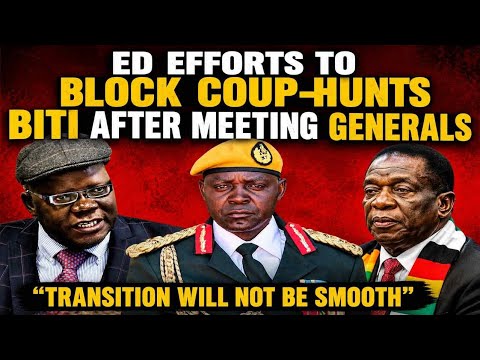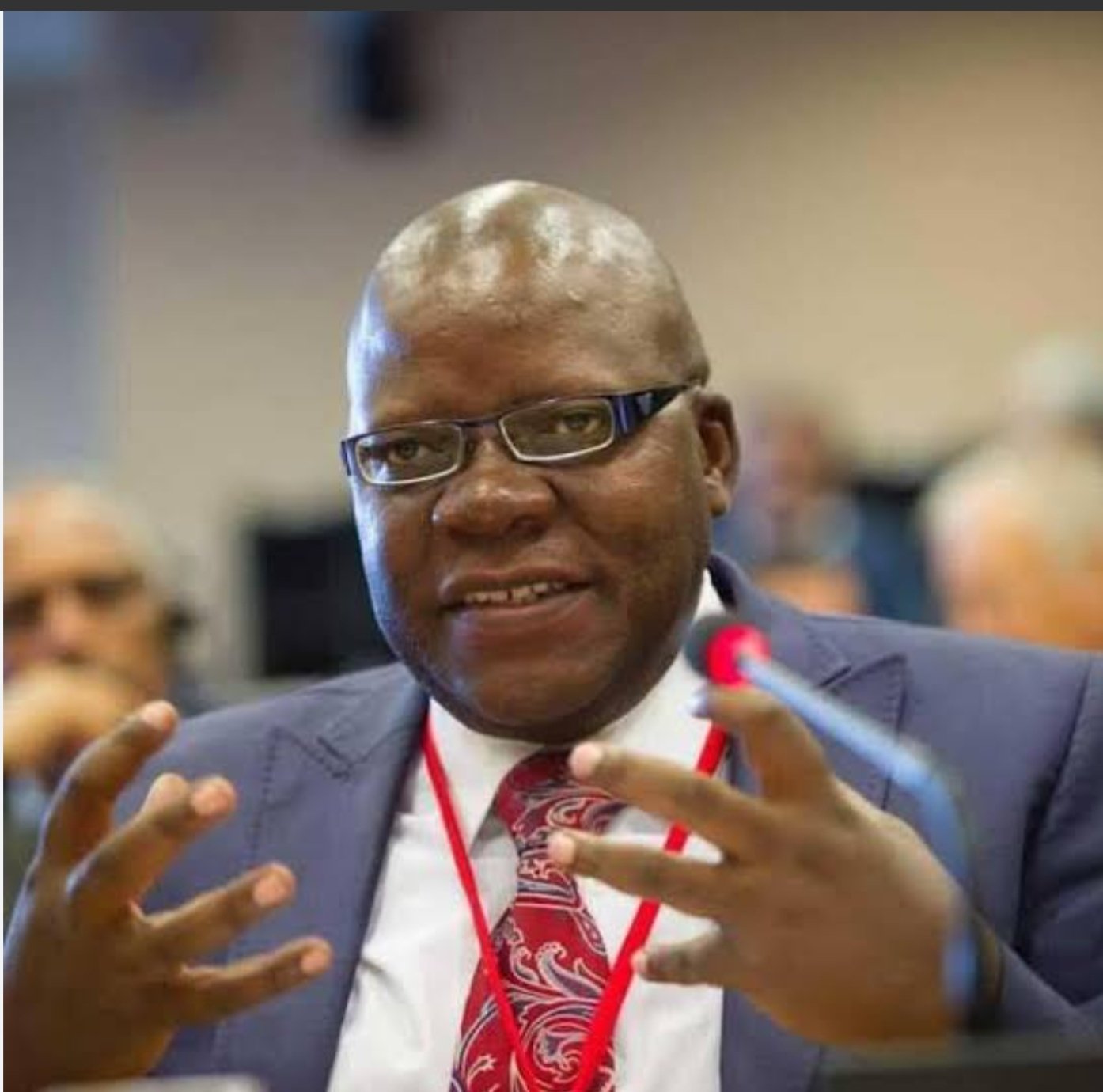
Zimbabwean authorities have arrested prominent opposition figure and Constitution Defenders Forum (CDF) convener Tendai Biti alongside programs director Morgan Ncube in Mutare, marking a chilling escalation in the state's assault on civil liberties. The arrests, which occurred yesterday, saw the pair charged under the draconian Maintenance of Peace and Order Act (MOPA) for allegedly failing to notify police of a public meeting. While journalist Fanuel Chinowaita and lawyer Nyasha Gerald Mukonyora were released without charge, the detention of Biti and Ncube signals a calculated move to stifle constitutional discourse ahead of the 2026 political cycle.
A Legacy of Repression: The MOPA Framework
The arrest of Biti is not an isolated incident but a continuation of a well-documented pattern of state-sponsored intimidation that has plagued Zimbabwe since the transition from the Mugabe era. The Maintenance of Peace and Order Act, which replaced the notorious Public Order and Security Act (POSA) in 2019, was promised as a reform, yet it remains a weaponized tool for the ZANU-PF government. Data from the Zimbabwe Human Rights NGO Forum indicates that arbitrary arrests of civil society activists have surged by 22% over the last fiscal year. By requiring police notification for even the most benign gatherings, the state effectively criminalizes the exercise of Section 58 of the Constitution, which guarantees freedom of assembly and association.
Geopolitical Implications for Southern Africa
The regional stability of the Southern African Development Community (SADC) is increasingly threatened by the democratic backsliding in Harare. When a key regional player like Zimbabwe systematically dismantles the rule of law, it creates a contagion effect that emboldens authoritarian tendencies in neighboring states. Analysts note that the SADC’s 'quiet diplomacy' approach has failed to curb the erosion of civic space. If the regional bloc continues to prioritize regime solidarity over constitutionalism, the inevitable social unrest in Zimbabwe could trigger a migration crisis, placing immense strain on the economies of South Africa, Botswana, and Zambia.
Real-World Consequences: The Cost of Silence
The immediate impact of the Mutare arrests is the total paralysis of grassroots constitutional education. By detaining the leadership of the CDF, the state has effectively silenced a critical platform for public debate. Economic data reveals that such crackdowns directly correlate with a decline in Foreign Direct Investment (FDI), as international investors view the lack of legal predictability as a high-risk factor. According to the World Justice Project’s Rule of Law Index, Zimbabwe currently ranks in the bottom decile globally, a statistic that is exacerbated every time a high-profile lawyer or activist is detained on politically motivated charges.
Global Outcry and Institutional Response
Amnesty International has issued a scathing condemnation, demanding the 'immediate and unconditional' release of Biti and Ncube. 'Authorities must respect, protect, and guarantee the freedom of assembly, expression, and association,' the organization stated in a press release yesterday. Similarly, diplomatic missions in Harare have expressed 'grave concern' over the shrinking democratic space. However, local activists argue that statements are insufficient. 'We do not need more press releases; we need targeted sanctions against the individuals within the judiciary and police who are facilitating these unconstitutional arrests,' said a prominent human rights lawyer speaking on condition of anonymity.
The Road Ahead: Monday’s Hearing
As Tendai Biti and Morgan Ncube prepare for their initial court appearance on Monday, 23 March 2026, the eyes of the international community will be on the Zimbabwean judiciary. The hearing will serve as a litmus test for the independence of the courts. If the state proceeds with the prosecution despite the lack of substantive evidence of a crime, it will confirm the total capture of the legal system. For Zimbabwe, this is a pivotal moment that will determine whether the country descends further into autocracy or finds a path back to constitutional governance. The outcome will resonate far beyond Mutare, setting the tone for the political landscape in Southern Africa for the remainder of the year.