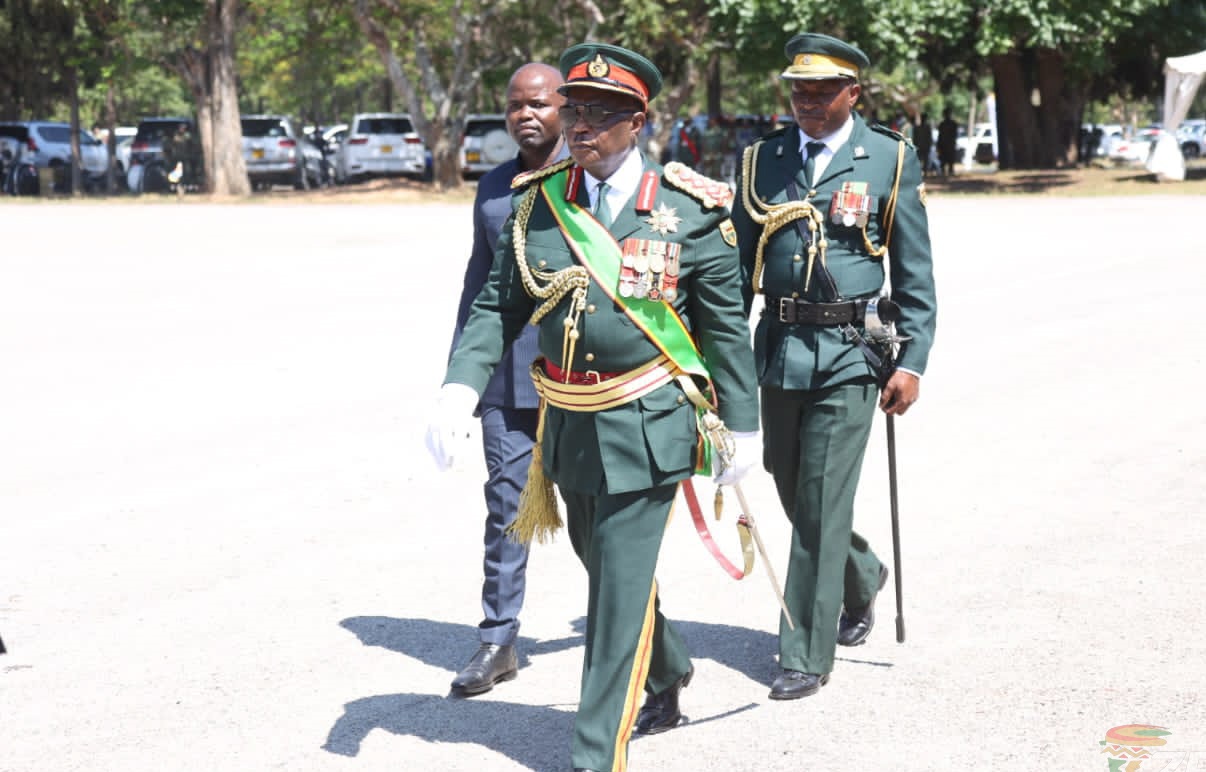
HARARE — Vice-President Constantino Chiwenga has stepped up his public positioning against two of the most contentious issues in Zimbabwean politics: the shadowy “zviganda” elite network and Constitutional Amendment Bill No. 3 (CAB3).
What are zviganda?
The term zviganda (also rendered as zvigananda) has entered Zimbabwean political vocabulary to describe politically connected individuals who amass wealth through state patronage, opaque contracts and questionable dealings. Chiwenga has used the word in public speeches to condemn what he calls a culture of “briefcase entrepreneurs” whose riches have no visible source.
According to reports of his addresses, the Vice-President has warned that such practices undermine the economy, corrupt public institutions and widen the gap between ordinary Zimbabweans and a privileged few. He has framed the fight against zviganda as a moral and economic crusade, linking unexplained wealth to national decay.
Why CAB3 matters
At the same time, CAB3 is moving through Parliament. The Bill proposes extending presidential, parliamentary and local authority terms from five to seven years, replacing direct presidential elections with selection by a joint sitting of Parliament, and shifting control of the voters’ roll from the Zimbabwe Electoral Commission to the Registrar-General.
Critics, including opposition parties and constitutional watchdogs, say the amendments would weaken democratic accountability and remove power from voters. Supporters argue the changes would bring stability and reduce the cost of frequent elections.
Chiwenga’s dual stance
Chiwenga’s simultaneous emphasis on fighting zviganda and resisting CAB3 has fuelled speculation about his intentions within ZANU-PF’s succession politics. By attacking elite corruption, he appeals to popular frustration with unexplained wealth. By opposing CAB3, he aligns himself with those who want to preserve direct presidential elections and the current constitutional timetable.
Political analysts say the two positions are consistent with a leadership bid: one that presents Chiwenga as a reform-minded figure willing to confront both economic predators and constitutional overreach. However, his exact strategy remains a matter of interpretation, and the Vice-President has not issued a single formal policy document uniting both themes.
Reactions and implications
State media has generally focused on Chiwenga’s anti-corruption message while giving less attention to his reported reservations about CAB3. Independent outlets and social media have been more explicit in linking the two issues, portraying them as part of a widening rift between the Vice-President and President Emmerson Mnangagwa’s camp.
Within ZANU-PF, the debate has exposed competing factions. Some figures loyal to Mnangagwa have dismissed Chiwenga’s warnings as political posturing, while others sympathetic to the Vice-President see the zviganda rhetoric as a long-overdue attack on entrenched privilege.
What comes next
CAB3 remains at the Second Reading stage in the National Assembly. It needs a two-thirds majority in both houses, and may still face court challenges or demands for a referendum. The zviganda issue, meanwhile, is likely to resurface in speeches, policy announcements and the broader succession contest.
For now, Chiwenga’s message is clear: he wants to be seen as standing against both corrupt enrichment and constitutional changes that could reshape Zimbabwe’s political future. Whether that message translates into concrete action will depend on parliamentary votes, internal party manoeuvres and public pressure in the weeks ahead.
Sources: Parliament of Zimbabwe: Constitution Amendment No. 3 Bill; The Zimbabwean, 26 June 2025; Pindula: Chigananda / Zvigananda.