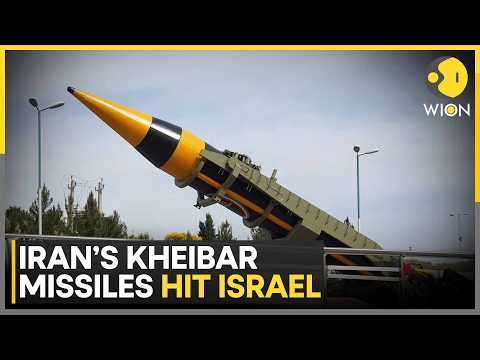
In a major escalation of regional hostilities, Iran has launched a direct military strike against Israel, deploying its advanced and deadlier Kheibar missiles. According to reporting by WION, the projectiles have successfully hit targets in the city of Haifa, marking a significant shift in the nature of the confrontation. This direct engagement represents a critical juncture in the ongoing conflict, as the use of high-precision, long-range weaponry signals a departure from previous proxy-based skirmishes.
The Genesis of the Kheibar Escalation
The deployment of the Kheibar missile system follows a period of heightened tension between Tehran and Tel Aviv. WION’s coverage highlights that these missiles are specifically designed for increased lethality and range, serving as a cornerstone of Iran’s strategic deterrent capabilities. The decision to utilize this specific hardware against Israeli infrastructure in Haifa suggests a calculated move to bypass traditional defense layers, reflecting years of development in Iran’s domestic aerospace and ballistic programs.
Strategic Analysis of the Strike
From a military analysis perspective, the targeting of Haifa—a major port city and economic hub—is highly symbolic and strategic. By hitting this location, Iran is demonstrating that its Kheibar missiles possess the accuracy required to penetrate deep into Israeli territory. This event shifts the geopolitical calculus, forcing international observers to reassess the balance of power in the Middle East. The use of such advanced weaponry indicates that Iran is willing to engage in direct, high-stakes military action rather than relying on regional allies to carry out its strategic objectives.
Global and Southern African Impact
The ripple effects of this conflict extend far beyond the Middle East, reaching nations like Zimbabwe and the broader Southern African region. As global energy markets react to the instability in the Levant, the price of fuel and commodities—critical imports for the Zimbabwean economy—faces extreme volatility. For a nation already navigating complex economic headwinds, the prospect of a prolonged conflict involving major missile strikes creates an environment of uncertainty, potentially driving up inflation and straining the supply chains that connect Southern Africa to the global market.
Regional and International Reactions
The international community is currently grappling with the implications of the Haifa strike. Stakeholders are calling for immediate de-escalation, fearing that the use of Kheibar missiles could trigger a broader, uncontrollable regional war. In Southern Africa, diplomatic circles are closely monitoring the situation, as the conflict challenges the stability of global trade routes. The consensus among analysts remains that this is a pivotal moment that requires urgent diplomatic intervention to prevent further loss of life and economic disruption.
The Path Forward: What to Watch
Looking ahead, the primary concern is whether this strike will lead to a retaliatory response from Israel or if international pressure can force a ceasefire. Observers should watch for any further movement of military assets in the region and the potential for additional missile launches. For Zimbabwe and its neighbors, the focus must remain on monitoring global oil prices and the security of trade routes, as any further escalation will undoubtedly exacerbate the existing economic pressures facing the Southern African Development Community.