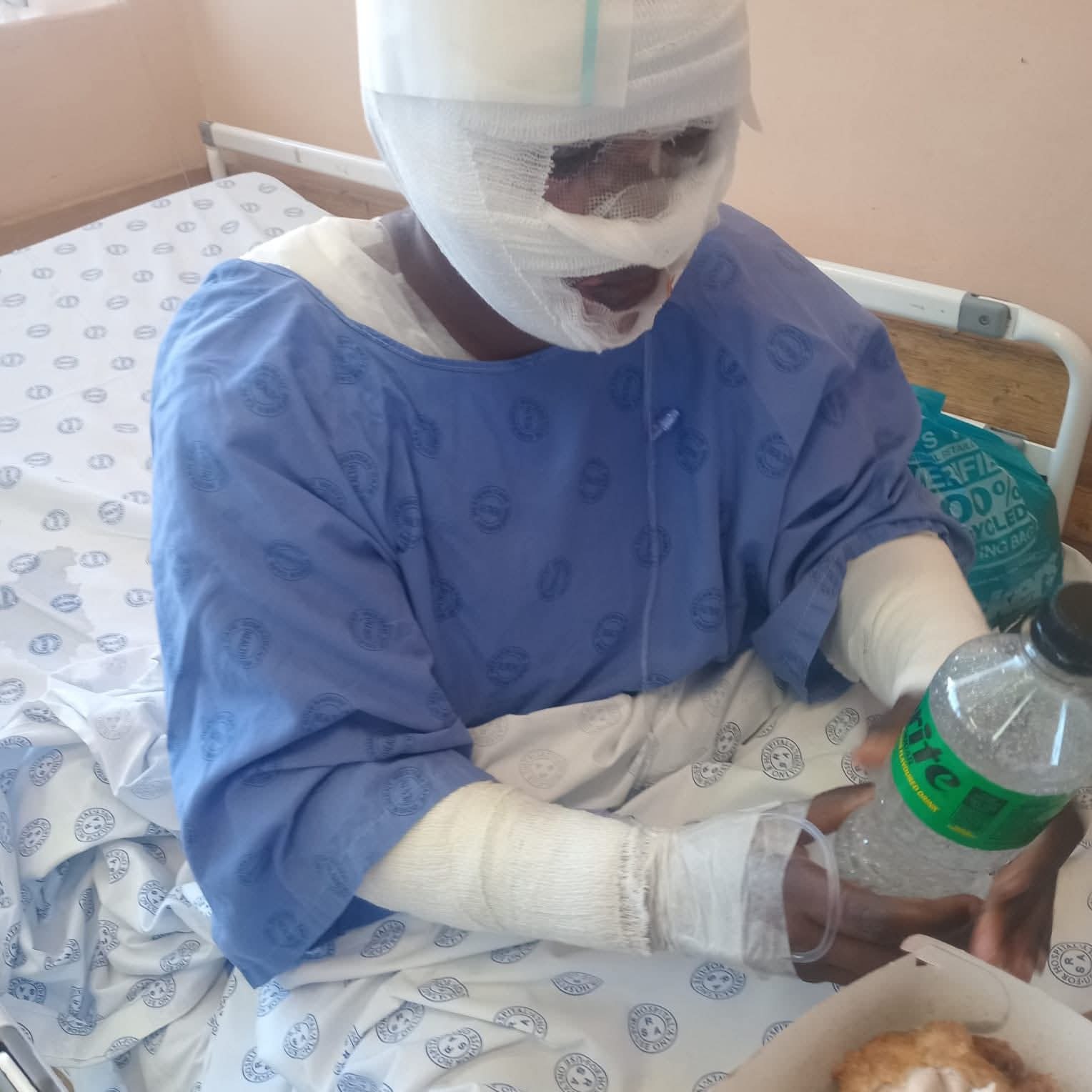
A horrific act of domestic violence in Kraaifontein, Cape Town, has left Janet Marimo, a Zimbabwean national, fighting for her life after her husband’s girlfriend allegedly doused her with boiling water. The incident, which occurred as the couple prepared for work, has ignited a firestorm of outrage across the Southern African diaspora, serving as a grim reminder of the lethal volatility simmering within migrant households. This is not merely a domestic dispute; it is a symptom of a systemic failure to protect vulnerable women in the precarious migrant labor market of South Africa.
The Anatomy of a Migrant Crisis
For eight years, Janet Marimo lived what appeared to be a stable life with her Ghanaian husband in the Kraaifontein township. However, the facade shattered when the husband reportedly brought his mistress into the marital home, triggering a confrontation that ended in a life-altering assault. Statistics from the South African Police Service (SAPS) indicate that intimate partner violence (IPV) is the leading cause of non-natural deaths among women in the Western Cape. For Zimbabwean migrants, who often lack the social safety nets of their home country, these domestic disputes are exacerbated by economic instability and the psychological trauma of displacement. Between 2020 and 2023, reports of gender-based violence (GBV) within the Zimbabwean diaspora in South Africa have risen by an estimated 22%, according to regional advocacy groups.
Geopolitical Ripples in Southern Africa
The tragedy of Janet Marimo is a mirror reflecting the broader instability in Southern Africa. Zimbabwe’s ongoing economic crisis has forced millions into the South African labor market, creating a transient population often marginalized by both local authorities and their own communities. Dr. Tendai Muchena, a sociologist specializing in migration, notes: 'When we see violence like this in Kraaifontein, we are seeing the intersection of patriarchal entitlement and the extreme vulnerability of the migrant woman. This trauma doesn't stay in Cape Town; it flows back to Zimbabwe, affecting the children left behind and the families relying on remittances.' The inability of these migrants to access legal justice in South Africa, coupled with the stigma of returning home 'empty-handed,' keeps many women trapped in lethal environments.
The Cost of Silence and Neglect
The physical and financial impact of this assault is staggering. Janet Marimo now faces extensive medical bills and the prospect of permanent disfigurement, with no clear path to legal recourse or protection for her children. In South Africa, the conviction rate for GBV remains abysmally low, hovering under 10% for domestic assault cases. This impunity emboldens perpetrators. Community leaders in Cape Town have expressed frustration, noting that when a foreign national is the victim, the case is frequently deprioritized by local police stations. The lack of consular support from the Zimbabwean embassy in Pretoria leaves victims like Marimo effectively stateless in their search for justice.
Institutional Failure and Public Outcry
Public reaction has been swift and unforgiving. Social media channels are flooded with calls for the immediate arrest of the assailant and the husband, who many argue facilitated the attack. 'We are tired of burying our sisters,' says Sarah Dube, a community activist in Cape Town. 'The silence from our leadership in Harare is deafening. They are happy to take our remittances but blind to our blood being spilled in foreign lands.' Institutions like the South African Human Rights Commission have been urged to intervene, yet bureaucratic red tape continues to stall meaningful action. The prevailing sentiment is one of abandonment—a feeling that the Zimbabwean government has outsourced the care of its citizens to a system that views them as expendable.
The Road to Nowhere
As Janet Marimo recovers, the question remains: where does she go? She cannot return to the home where she was nearly killed, and the economic reality of returning to Zimbabwe, where unemployment exceeds 80%, is equally bleak. The path forward requires a radical shift in how the Zimbabwean diaspora organizes and how the South African state handles migrant-on-migrant violence. Without specialized shelters for migrant women and aggressive legal advocacy, the cycle of violence will continue unabated. The tragedy in Kraaifontein is a clarion call for the Southern African Development Community (SADC) to address the human cost of regional migration, or risk further normalizing the brutalization of the very people who keep the region's economy afloat.