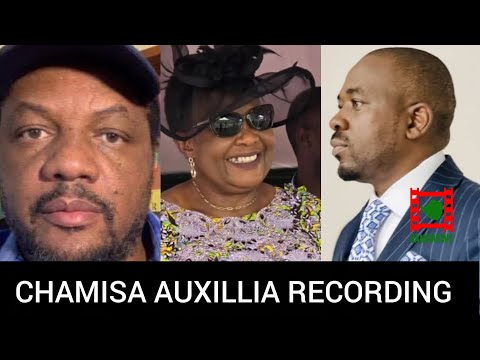
A bombshell secret recording has surfaced, allegedly capturing Chamisa initiating a clandestine request for negotiations with Auxilia Mnangagwa. The audio, disseminated by Gambakwe Media, purports to expose a high-stakes attempt at backchannel diplomacy that could fundamentally alter the current political landscape. This development marks a significant shift in the public discourse surrounding the figures involved, raising urgent questions about the nature of their communication and the strategic motivations behind such an outreach.
The Genesis of the Backchannel Allegations
The release of this recording by Gambakwe Media follows a period of heightened speculation regarding the lines of communication between key political actors. By focusing on a direct request for negotiation, the recording places the spotlight on the informal mechanisms of power that operate behind the scenes. This narrative is built upon the premise that established political channels have reached a stalemate, forcing actors to explore unconventional avenues for dialogue. The emergence of this audio provides a tangible, albeit controversial, piece of evidence that suggests these informal discussions are not merely rumors, but active pursuits.
Analyzing the Strategic Implications
From an investigative standpoint, the move to engage Auxilia Mnangagwa suggests a calculated effort to bypass traditional bureaucratic or political barriers. If the recording is authenticated, it indicates a prioritization of direct, high-level engagement over standard party-to-party or state-to-state protocols. This strategy reveals a potential desperation or, conversely, a highly sophisticated attempt to find a breakthrough where public negotiations have failed. The geopolitical implications of such a move are profound, as it suggests that the power dynamics within the region are far more fluid and personal than official statements would lead the public to believe.
The Regional Impact of Secret Diplomacy
The fallout from this recording extends across Southern Africa, where the stability of political institutions is closely watched by regional blocs. When figures of this stature are linked to secret negotiations, it impacts investor confidence and the general perception of governance. The regional stability of Southern Africa relies heavily on transparent power transitions and predictable political conduct. By opting for a secret, potentially non-institutionalized path, the actors involved risk undermining the very democratic processes they are expected to uphold, creating a ripple effect of uncertainty that can destabilize regional cooperation efforts.
Public and Stakeholder Reaction
The reaction to the Gambakwe Media report has been swift and polarized. Supporters of various political factions are scrutinizing the audio for signs of authenticity, while critics are using the recording to challenge the integrity of the individuals involved. The discourse has moved from the content of the recording to the broader question of political ethics and the appropriateness of such secret outreach. Stakeholders are now calling for greater transparency, arguing that the public has a right to know the nature of any negotiations that could impact the future of the nation and the stability of its leadership.
Charting the Path Forward
As this story develops, the focus will shift toward the verification of the recording and the potential for a formal response from the parties mentioned. Observers should watch for any shifts in public rhetoric or changes in political strategy that might indicate the success or failure of the alleged negotiation attempt. The long-term consequence of this leak will likely be a more cautious approach to private communications among political elites. Ultimately, the pressure for accountability will continue to mount, as both the public and international observers demand clarity on whether these secret channels are a path to progress or a symptom of deeper political dysfunction.