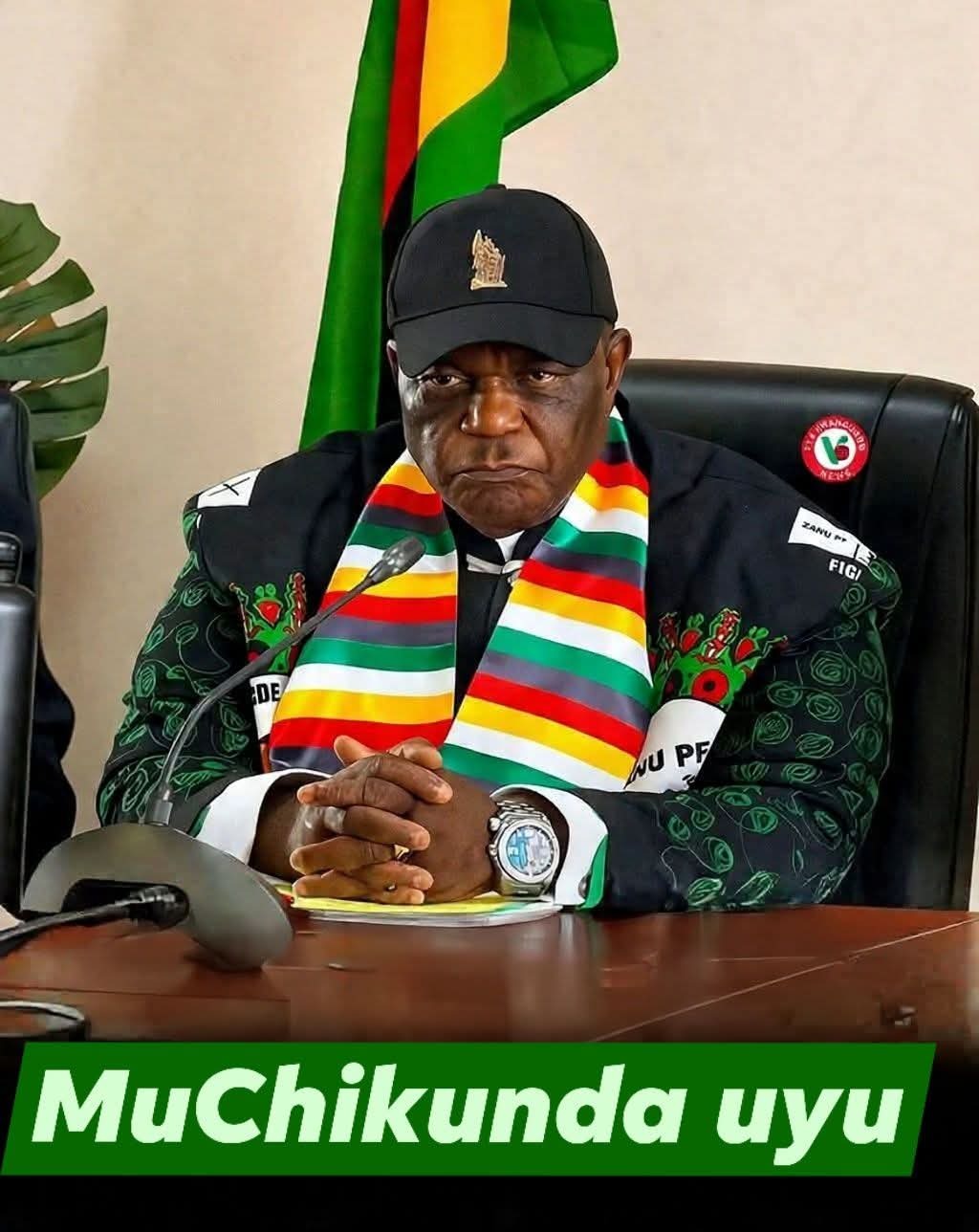
Nelson Chamisa has fled Zimbabwe after receiving death threats, according to the Zimbabwe opposition leader—an escalation that alarms rights monitors and threatens to disrupt already fragile politics across Southern Africa. Chamisa, the main challenger to President Emmerson Mnangagwa, made the claim as Zimbabwe’s security environment remains tightly policed ahead of elections and amid a widening crackdown on dissent. The timing—when regional mediators and SADC partners are watching Harare closely—turns a personal survival story into a geopolitical test of whether Zimbabwe’s political space is shrinking or stabilising.
How the threats unfolded and why Chamisa says he had to leave
Chamisa’s allegation lands at the intersection of Zimbabwe opposition politics, security operations, and a long-running pattern of intimidation claims that have followed MDC-T and later Citizens Coalition for Change (CCC) figures for years. The former lawyer and activist has repeatedly accused the state of using surveillance, arrests, and legal pressure to neutralise challengers—charges the government has denied.
In this latest episode, Chamisa’s account centres on direct threats to his life—claims he says forced him to flee. While details of the threats have not been independently verified in full by this report, the credibility of the warning is amplified by the broader context: Zimbabwe has seen repeated allegations of politically motivated violence, harassment of activists, and heavy security presence around opposition gatherings in Harare and Bulawayo.
Chamisa’s decision to leave—if confirmed—would not be a routine travel move. Opposition leaders in Zimbabwe typically face a high-stakes calculus: staying can mean arrest or violence; leaving can mean accusations of abandoning supporters or being unable to campaign. Either way, the move becomes a signal to both domestic audiences and regional observers.
For Zimbabwe’s opposition, the stakes are immediate. Chamisa has long been the face of a movement that frames itself as a democratic alternative to Mnangagwa’s ruling ZANU-PF. His absence—whether temporary or prolonged—can reshape internal leadership dynamics within CCC and affect how supporters interpret the threat environment.
Zimbabwe’s security climate: from past intimidation to a new escalation
To understand why death threats are treated as more than rhetoric in Zimbabwe, you have to look at the country’s political trajectory since the 2017 transition. When Emmerson Mnangagwa took power after Robert Mugabe’s removal, ZANU-PF promised reforms—yet the opposition space has remained contested. Over the years, CCC and MDC-T figures have alleged that the state uses a mix of policing, legal restrictions, and intimidation to limit mobilisation.
Zimbabwe’s political environment has also been shaped by the realities of governance and the economy. Hyperinflation in earlier years, currency instability, and austerity pressures have made politics more volatile. When economic stress rises, so does the contest over legitimacy—especially in elections and parliamentary battles.
In this context, threats against a leading opposition figure function as a form of political control. They aim to remove a central organiser, chill public participation, and weaken the opposition’s ability to coordinate. Even when threats are not carried out, the fear they create can be effective.
Regional institutions are watching. SADC has repeatedly emphasised constitutionalism and political dialogue, and Zimbabwe’s partners—especially those with influence in Harare—have an interest in preventing instability from spilling into Southern Africa’s already tense political economy.
What Chamisa’s flight would mean for Zimbabwe opposition and Mnangagwa’s government
If Chamisa is indeed outside Zimbabwe due to death threats, the implications are immediate and strategic. First, it raises the question of state responsibility. In a functioning system, credible threats to a major political leader trigger protective measures, investigations, and public assurances. Leaving the country—rather than receiving protection in-country—suggests either a failure of protection or a belief that protection is not reliable.
Second, it reshapes the opposition’s campaign capacity. CCC’s ability to mobilise supporters in Harare, Bulawayo, and other provinces depends on leadership visibility. A leader’s absence can reduce turnout, fracture messaging, and invite opportunists to claim authority.
Third, it changes how Zimbabwe’s international partners interpret the political climate. Western governments and rights groups have long argued that Zimbabwe’s elections are undermined by restrictions and intimidation. A high-profile flight claim strengthens that narrative—whether or not authorities respond quickly.
Fourth, it could intensify diplomatic pressure. Zimbabwe has historically used sovereignty language to reject external interference, but it also depends on international legitimacy for investment and debt negotiations. If the story spreads, it becomes harder for Harare to dismiss it as internal politics.
Experts who track Zimbabwe’s political risk landscape say threats against opposition leaders are not isolated events; they are part of a broader pattern of intimidation claims that can influence voter behaviour. A Zimbabwean political analyst, speaking on condition of anonymity due to safety concerns, told this newsroom: “When a leader says he had to flee, it’s not just fear—it’s a warning to everyone else. It tells organisers to slow down and it tells supporters to stay home.”
Consequences on the ground: rallies, arrests, and the chilling effect
In Zimbabwe, opposition activity is often met with heavy policing—particularly around demonstrations, party events, and meetings that challenge the ruling party’s narrative. If Chamisa’s claim is treated as credible, it will likely trigger a new wave of security posture changes: more surveillance of CCC structures, tighter restrictions on movement, and increased scrutiny of organisers.
The chilling effect is measurable in behaviour even when no violence occurs. Activists typically report reduced attendance at gatherings, delays in planning, and reluctance to speak publicly. That is how intimidation works: it doesn’t always need a dramatic attack to alter political outcomes.
There are also economic consequences. Zimbabwe’s economy is already strained by low investor confidence and currency volatility. International headlines about political threats can worsen risk premiums and delay investment decisions—especially in sectors tied to governance stability and rule-of-law assurances.
For Southern Africa, the ripple effect matters. Zimbabwe is a regional economic actor; instability or perceived repression can affect migration flows, cross-border trade, and diplomatic relations within SADC. Neighbouring countries that host Zimbabwean businesses and workers may face pressure as Zimbabwe’s political story becomes a regional security concern.
Human rights organisations have repeatedly called for independent investigations into intimidation claims. A regional governance researcher who monitors political violence told this newsroom: “Death threats against opposition leaders are a red line. Without transparent investigations and protection measures, the state effectively normalises fear as a political tool.”
What institutions should do next—and what happens if they don’t
Zimbabwe’s immediate test is accountability. If Chamisa’s threats are credible, the state must do three things quickly: launch an independent investigation into the origin and credibility of the threats; provide protection and clear security guarantees for opposition leaders and their families; and publicly explain what law enforcement has done to prevent harm.
Opposition parties will also need to document and verify the threats they receive. That means preserving messages, identifying witnesses, and pushing for protective orders through Zimbabwe’s legal system where possible. Without evidence, the story can be dismissed; with evidence, it becomes a prosecutable accountability case.
Regional institutions should not wait for a tragedy. SADC, the African Union, and international human rights mechanisms should press for verification, protection measures, and transparency. Zimbabwe’s government may resist external scrutiny, but the region has a track record of intervening when political violence threatens democratic stability.
For Zimbabweans, the next days will show whether the political system can absorb this escalation without further fear. If Chamisa’s claim is ignored or met with denials without investigation, it will deepen distrust and harden positions inside CCC and among undecided voters. If authorities act decisively—protecting leaders and investigating threats—Zimbabwe could at least prevent the story from turning into a wider security crisis.
Chamisa’s flight claim is not a standalone drama. It is a warning about the direction of Zimbabwe politics—one that Southern Africa will feel through diplomacy, migration, and economic confidence. The question now is whether Harare treats threats against opposition leaders as a matter of public safety and rule of law—or as an inconvenience to be managed.