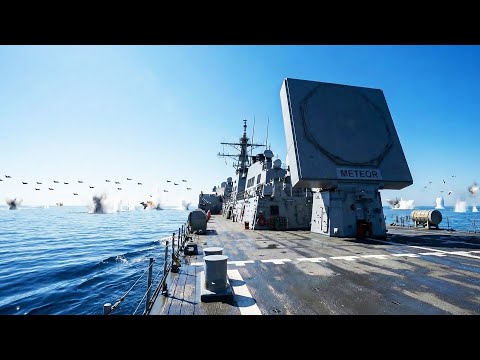
The United States Navy has fundamentally shifted its defensive posture, effectively neutralizing the existential threat previously posed by suicide drone swarms. According to the latest investigation by the channel Navy Decoded, advancements in defensive technology have rendered these mass-produced aerial threats largely ineffective against modern naval assets. This development marks a critical turning point in maritime security, signaling a new era where the once-feared swarm tactic no longer dictates the terms of naval engagement.
The Evolution of Naval Defense
For years, military analysts identified suicide drone swarms as a disruptive technology capable of overwhelming conventional naval defenses through sheer volume and low-cost attrition. Navy Decoded highlights that the US Navy has systematically addressed this vulnerability by integrating sophisticated electronic warfare, rapid-fire kinetic interceptors, and enhanced sensor fusion. This structural evolution in defense architecture was necessitated by the proliferation of inexpensive unmanned aerial vehicles (UAVs) on the global stage, forcing the Navy to prioritize high-efficiency, cost-effective counter-measures that ensure the survival of capital ships in high-threat environments.
Strategic Analysis of Swarm Neutralization
The analysis provided by Navy Decoded suggests that the US Navy’s success lies in its ability to degrade the command-and-control links that drone swarms depend upon. By leveraging advanced signal jamming and AI-driven target acquisition, the Navy has stripped away the tactical advantage of swarm synchronization. This strategic shift means that even if a swarm manages to launch, the probability of a coordinated strike successfully penetrating a modern naval defensive screen has dropped precipitously. The result is a neutralized threat environment where the Navy maintains operational dominance despite the increasing availability of drone technology.
Global Implications and Regional Security
The implications of this shift are profound, particularly for nations in Southern Africa like Zimbabwe, which must monitor global shifts in maritime security to understand the evolving nature of international trade routes and coastal defense. As the US Navy effectively nullifies the drone swarm threat, the ripple effect is felt in the increased security of international shipping lanes that serve the Southern African region. By diminishing the viability of asymmetric drone attacks, the Navy helps stabilize the global maritime environment, ensuring that ports in Zimbabwe’s neighboring coastal countries remain accessible and secure from disruptive non-state actors who might otherwise utilize such cheap, lethal technology.
Industry and Stakeholder Response
Defense contractors and naval experts have reacted to these findings with a mix of cautious optimism and intense focus on future iterations of drone technology. The consensus from the community highlighted by Navy Decoded is that while the US Navy currently holds the advantage, the race is far from over. Stakeholders are now pivoting their resources toward next-generation autonomous systems, recognizing that the current victory over simple suicide swarms is merely a plateau in a perpetual technological arms race. This ongoing dialogue underscores the high stakes for global powers aiming to maintain maritime superiority in an increasingly contested digital age.
The Future of Maritime Warfare
Looking ahead, the primary focus for observers will be how quickly potential adversaries adapt to these new US defensive measures. Navy Decoded indicates that we should expect to see a surge in the development of stealthier, more resilient drone architectures designed to bypass existing sensor networks. For Zimbabwe and the wider Southern African community, the future landscape will remain one of vigilance, as the technology that once threatened the US Navy will inevitably continue to proliferate, potentially surfacing in new theaters of conflict. The continued monitoring of these naval advancements remains essential for understanding how the global security architecture will evolve in the coming decade.