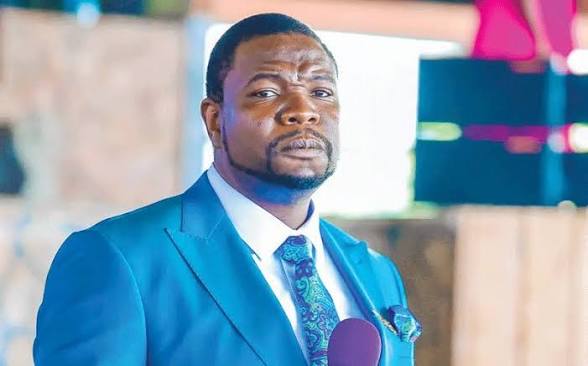
Zimbabwean state prosecutors have launched a aggressive legal offensive to dismantle the years-long wall of litigation shielding Prophet Walter Magaya from standing trial on serious rape and sexual assault charges. In a move signaling a potential end to a decade of judicial stagnation, the National Prosecuting Authority (NPA) is seeking to override the serial delay tactics that have kept the leader of the Prophetic Healing and Deliverance (PHD) Ministries from facing a definitive verdict in the High Court. The case, which has become a litmus test for the independence and efficacy of Zimbabwe’s justice system, now faces a critical juncture as the state attempts to force a trial that has been mired in constitutional challenges and procedural obfuscation since 2016.
The Shadow of Impunity: A Decade of Legal Maneuvering
The allegations against Walter Magaya date back to 2016, when a woman filed a complaint alleging she was raped by the cleric at his Mt. Pleasant home. Despite the gravity of the charges, the legal proceedings have been characterized by an exhaustive series of applications for stay of prosecution and constitutional challenges. For eight years, Magaya has utilized high-priced legal teams to exploit loopholes in the Criminal Procedure and Evidence Act, effectively freezing the state’s ability to proceed. According to data from the Zimbabwe Human Rights NGO Forum, this case represents one of the most egregious examples of 'lawfare' in the country, where wealth and religious influence appear to supersede the rule of law. The historical pattern of these delays suggests a calculated strategy to outlast the memory of witnesses and the political will of the prosecutors.
Geopolitical Implications: Faith, Power, and Accountability
The Magaya trial is not merely a local criminal matter; it is a regional bellwether for the 'Prophetic Industrial Complex' that dominates Southern Africa. Across Zimbabwe, Zambia, and South Africa, influential religious leaders have increasingly operated with an air of untouchability, often leveraging their massive congregations as political leverage. Legal analyst Dr. Tendai Mupfurutsa notes, 'When the state fails to prosecute figures of this magnitude, it sends a chilling message across the SADC region that religious institutions are essentially extraterritorial zones beyond the reach of the penal code.' The persistence of these delays undermines the regional push for gender-based violence (GBV) reform, as it reinforces the perception that powerful men can systematically silence victims through prolonged, expensive, and demoralizing legal exhaustion.
The Human Cost: Impact on Survivors and Institutional Trust
The real-world consequences of these delays are measured in the erosion of public trust and the psychological toll on survivors. Statistical analysis from local victim advocacy groups indicates that the average case of sexual abuse in Zimbabwe takes 24 months to reach trial; Magaya’s case has exceeded 96 months. This disparity highlights a two-tier justice system: one for the well-connected and another for the marginalized. 'The delay is a second assault on the victim,' says Nomsa Dube, a gender rights activist. 'By stalling, the accused effectively denies the survivor their day in court and prevents the closure necessary for societal healing. When the state allows this to happen, it fails in its primary duty to protect the vulnerable.'
Institutional Reaction: A Shifting Legal Landscape
The judiciary and the NPA are under unprecedented pressure to show progress. While the PHD Ministries have maintained that the charges are malicious and politically motivated, the state’s current move suggests a shifting internal policy aimed at curbing abuse of court processes. 'The law must be applied without fear or favor, regardless of the pulpit one occupies,' a senior NPA official stated, speaking on condition of anonymity. Conversely, church supporters continue to rally behind the prophet, viewing the legal actions as a persecution of the church itself. This polarization creates a dangerous environment where legal proceedings are increasingly viewed through the lens of tribal and religious affiliation rather than objective criminal evidence.
The Road Ahead: Will the Trial Finally Proceed?
The coming months will be decisive. The state’s effort to consolidate its position and strike down the repetitive applications for stays of prosecution is a high-stakes gamble. If the High Court rejects the state's move to expedite the proceedings, the legitimacy of Zimbabwe’s judicial system will be further damaged, potentially leading to international condemnation from human rights watchdogs. Conversely, if the trial proceeds, it could set a critical legal precedent that religious authority provides no immunity from the consequences of criminal conduct. For the people of Southern Africa, the outcome of this case will define whether the rule of law is a reality or a privilege reserved for the elite.