
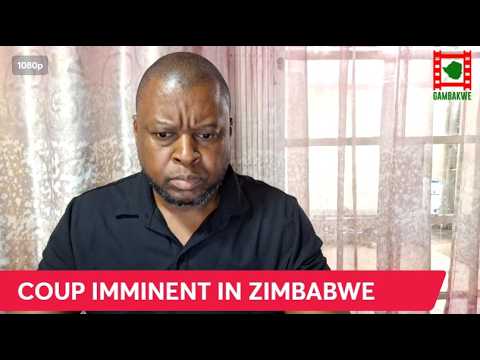
Zimbabwe stands at a precarious crossroads as persistent reports and analysis from Gambakwe Media suggest the potential for military intervention in the nation's governance. While the country has long grappled with economic instability and political polarization, the specter of a military-led transition remains a focal point for observers tracking the health of Southern African democracy.
What This Is About
The discourse surrounding a potential military coup in Zimbabwe is not a new phenomenon; it is a recurring theme rooted in the historical relationship between the Zimbabwe African National Union – Patriotic Front (ZANU-PF) and the Zimbabwe Defence Forces (ZDF). According to analysis provided by Gambakwe Media, the current climate is defined by internal friction within the ruling party and a deepening disconnect between the state apparatus and the citizenry. This investigation explores the structural vulnerabilities that lead analysts to suggest that the military may once again act as the final arbiter of political power in Harare.
Key Facts
- Historical Precedent: The 2017 transition, which saw the removal of the late Robert Mugabe, established a template for military involvement in civilian political affairs.
- Internal Factionalism: Observers note that power struggles within the ruling party often spill over into security sector interests, creating a volatile environment where the military becomes a key stakeholder.
- Regional Implications: Any shift in Zimbabwe's leadership structure has immediate consequences for the Southern African Development Community (SADC), impacting regional trade, migration, and diplomatic relations.
- Economic Instability: Persistent hyperinflation and currency volatility serve as the backdrop for civil unrest, which analysts argue provides a pretext for military intervention under the guise of restoring order.
Why It Matters
The stability of Zimbabwe is inextricably linked to the prosperity of the Southern African region. When the threat of a coup emerges, the immediate ripple effect is felt in the devaluation of the Zimbabwean dollar, the tightening of regional borders, and a spike in economic migration toward South Africa and Botswana. For international investors and regional neighbors, the military's role is a barometer for the rule of law. If the military intervenes, it signals a departure from constitutional norms, which historically leads to increased international sanctions and a contraction of foreign direct investment.
Furthermore, the geopolitical context cannot be ignored. Zimbabwe serves as a strategic gateway for regional logistics. A military-led government, or even the credible threat of one, forces neighboring nations to recalibrate their security policies, often leading to increased military spending across the SADC bloc to prepare for potential refugee crises or border instability.
What People Should Know Next
For citizens and international observers alike, understanding the situation requires looking beyond the headlines. The key indicators of an imminent shift include changes in the leadership of the security services, the rhetoric emanating from the state media, and the level of engagement between the military high command and the executive branch. Historically, periods of high tension in Zimbabwe are marked by a tightening of information control and increased surveillance. As this situation develops, the focus must remain on the constitutional integrity of the nation's institutions and the protection of democratic processes. The situation remains fluid, and the primary takeaway for the public is the necessity of monitoring official channels while remaining cognizant of the deep-seated political rivalries that continue to shape the nation's trajectory.