In a significant political rupture, the Zanu PF Youth League has publicly rebuked President Emmerson Mnangagwa, signaling deep-seated fractures within the ruling party and raising questions about the stability of his leadership. The public distancing comes amidst growing internal friction and a perceived realignment toward Vice President Constantino Chiwenga, a move that observers say could signal a pivotal shift in the country's power dynamics.
The Youth League’s statement, which criticized a 3.6 million dollar donation from businessman Wicknell Chivayo, serves as a flashpoint for broader grievances within the party. By explicitly rejecting the optics of the donation, the youth wing has signaled that the current administration's internal cohesion is fraying. This is not merely a dispute over funds; it is a direct challenge to the authority of the President and his inner circle, suggesting that the party’s youth base is no longer willing to provide unconditional support.
The Military Shadow Over Harare
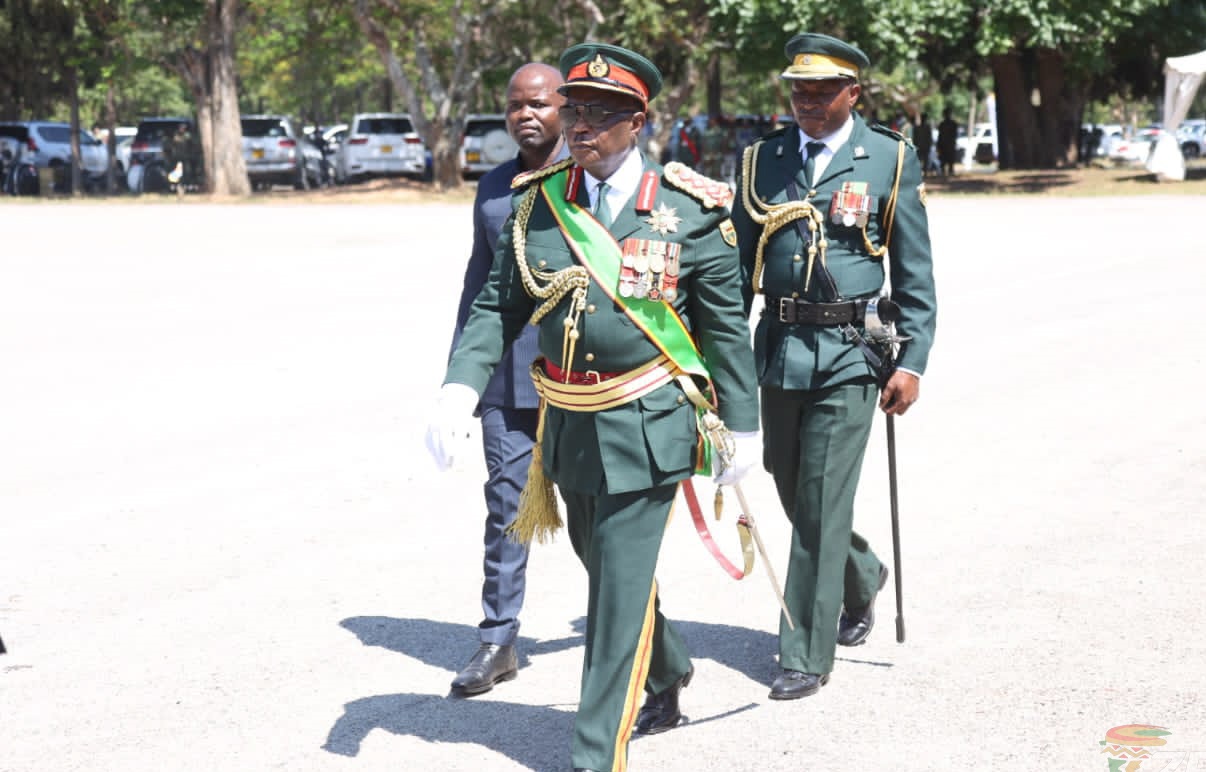
Geopolitical analysts in Southern Africa have long viewed the relationship between President Mnangagwa and the military, represented by Vice President Chiwenga, as the ultimate arbiter of power in Zimbabwe. The Youth League’s pivot is being interpreted as a strategic hedge, with factions within the party increasingly looking toward the military leadership as a more reliable power center. The move reflects a broader trend in Southern African politics, where ruling parties are often defined by the tension between civilian leadership and the security apparatus.
‘This is a clear indication that the center is not holding,’ says Dr. Tendai Mashingaidze, a regional political analyst. ‘When the party’s youth wing—the very group tasked with mobilizing support—begins to openly question the President’s decisions, it suggests that the traditional power structures are being re-evaluated from within.’
The impact of this internal strife extends beyond the party headquarters. For the average Zimbabwean, the infighting represents a continuation of the economic instability and political uncertainty that have plagued the nation for decades. As the party grapples with these internal divisions, the delivery of basic services and the implementation of national development agendas remain sidelined.
Regional Stability at Risk
The implications for Southern Africa are profound. Zimbabwe’s political stability is a cornerstone of the Southern African Development Community (SADC). Any escalation in internal party conflict could trigger a broader security crisis, potentially leading to increased migration and economic volatility across the region. With the military’s influence looming large, the potential for a swift and decisive political intervention remains a constant concern for neighboring states.
The current situation is further complicated by allegations of corruption and the misuse of public funds, which have become central to the public’s frustration. As the Youth League attempts to rebrand itself as a force for accountability, the challenge for the current administration will be to maintain control without resorting to the heavy-handed tactics that have characterized past political purges. The coming months will be critical in determining whether the party can reconcile its warring factions or if it is headed toward a more permanent and disruptive split.