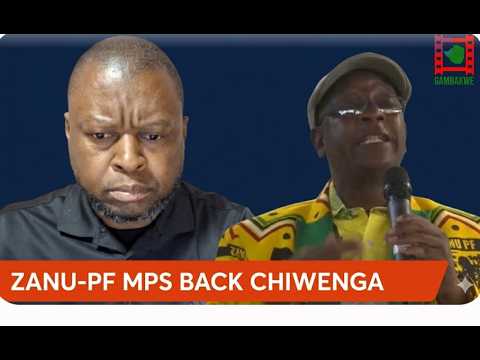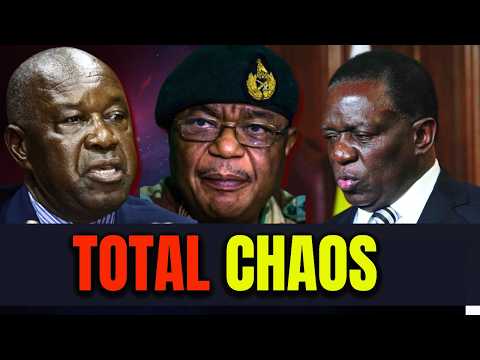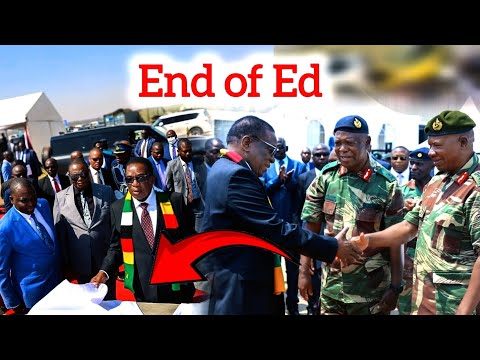
Growing public frustration in Zimbabwe has reached a boiling point, with citizens increasingly vocal about their dissatisfaction with the ZANU-PF administration and the controversial 'Vision 2030' policy. Recent reports and public discourse highlight a deepening rift, with critics suggesting that the ruling party’s grip on power is being challenged not just by the opposition, but by internal skepticism regarding the country's economic trajectory.
Leadership Uncertainty and Economic Discontent
The sentiment on the ground reflects a population weary of systemic economic instability. Critics argue that the government's flagship 'Vision 2030'—an ambitious plan to transform Zimbabwe into an upper-middle-income economy—lacks a realistic foundation. Economists note that without structural reforms, including addressing the massive unemployment rate and the collapse of public infrastructure, such goals remain aspirational at best. This skepticism is compounded by reports of internal power struggles within the party, fueling speculation about potential leadership transitions.
For Southern Africa, the implications are profound. Zimbabwe’s economic health is a critical pillar of the regional economy. As the country grapples with hyperinflation and currency volatility, neighboring nations face increased pressure from cross-border migration and trade disruptions. Regional experts warn that the instability in Harare is not contained within its borders; it is a regional concern that affects the SADC (Southern African Development Community) bloc's collective stability and investment climate.
The Call for Political Accountability
The discourse has moved beyond economic policy to the very nature of governance. Activists and citizens are demanding greater transparency, citing the need for inclusive development that goes beyond the current reliance on agricultural and mining sectors. The argument is that a resilient economy requires diversification, which is currently stifled by political patronage and a lack of investor confidence.
“The current economic model is unsustainable,” says a regional political analyst. “Zimbabwe cannot rely solely on a handful of sectors while the broader population remains excluded from the benefits of growth. The political elite must address the disconnect between their policies and the lived reality of the average citizen to avoid further social unrest.”
As the regional bloc watches closely, the pressure mounts on the Zimbabwean government to demonstrate a clear, actionable path forward. Whether this will lead to a shift in internal party dynamics or a broader political realignment remains the central question for observers across Southern Africa.