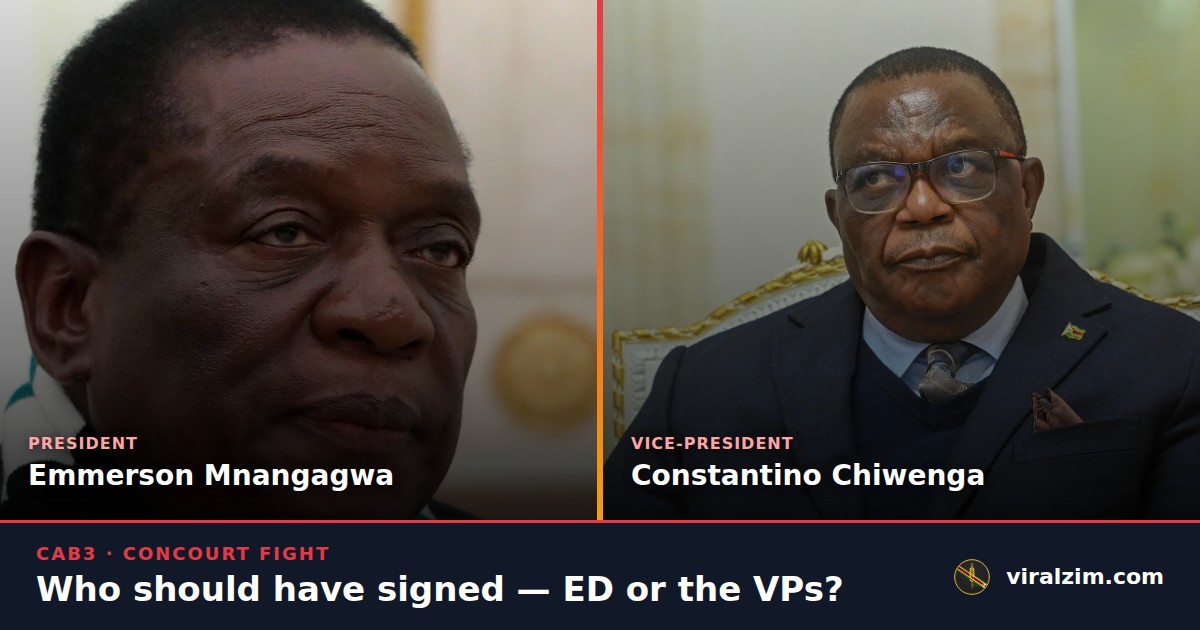
The most alarming fact is not the existence of political anger—it is the escalation to death threats against a sitting vice president, followed by claims that he is in hiding. That combination signals a breakdown in security and a dangerous shift in how power is contested: from policy and party rivalry to intimidation that can trigger retaliation and wider violence.
Death threats raise the stakes beyond politics
Death threats are among the fastest-moving forms of political messaging because they compress time. They force targets to react immediately—often by seeking protection, limiting movement, and tightening communications—while also encouraging would-be enforcers to interpret silence as permission. In such situations, even unverified claims can become operational: supporters may mobilize, rivals may harden positions, and security forces may be pulled into competing narratives about who is responsible.
What makes this moment especially volatile is the uncertainty around the threats: who issued them, how they were delivered, and whether they were backed by networks with access to coercive capacity. In a functioning security environment, threats against senior officials are treated as evidence of organized intent, not as noise to be managed with statements. The public needs clarity on whether the threats were credible, how they were assessed, and what protective measures were activated.
What the state must prove—fast
There is also a governance test embedded in this crisis: whether security institutions can protect senior leadership without being captured by factional interests. If threats are tolerated or mishandled, the message to other actors is clear—escalation works. If threats are investigated only selectively, the public will conclude that enforcement is political, not protective.
International human rights documentation has repeatedly highlighted the lethal consequences of political intimidation and the failure to act against threats. In this case, the stakes are immediate and domestic: the credibility of the rule of law, the safety of political actors, and the stability of the security apparatus.