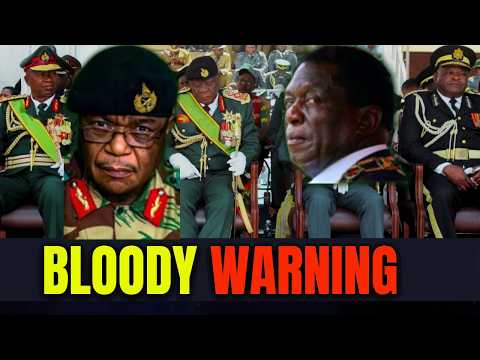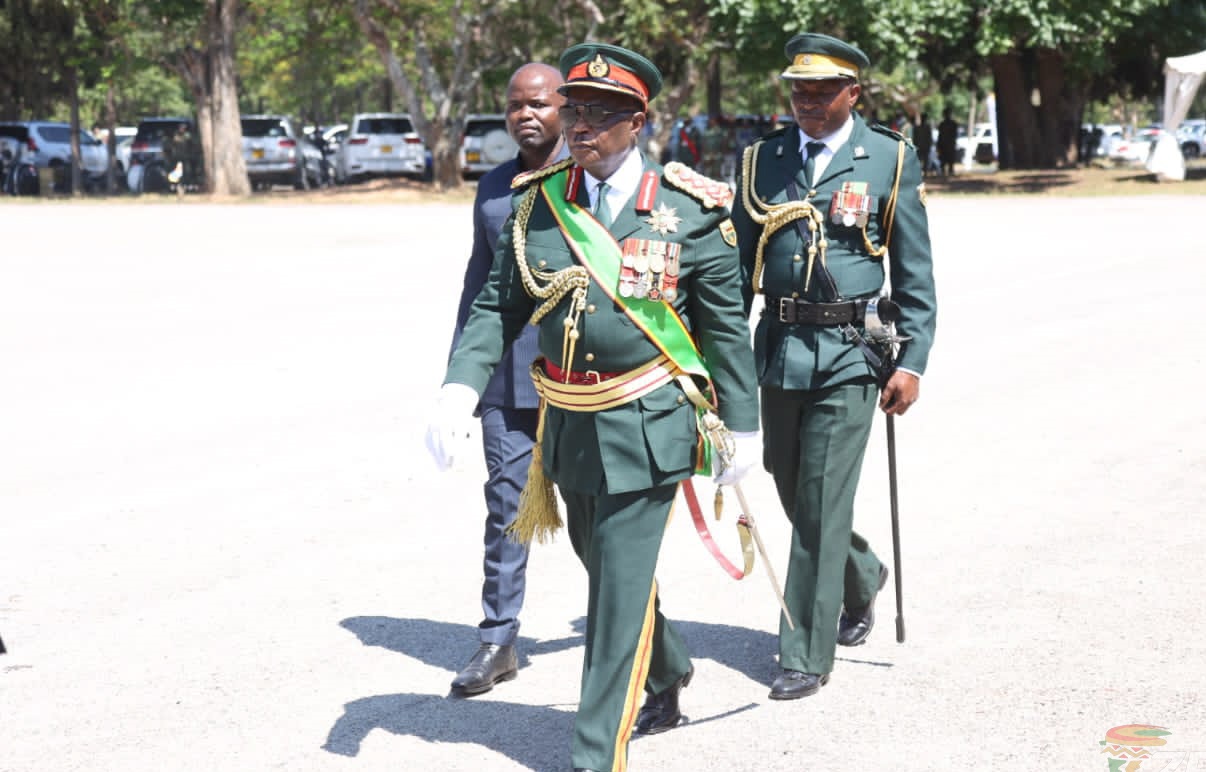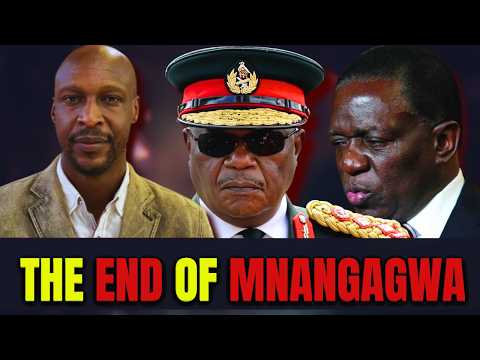
In a volatile escalation of political rhetoric, Rutendo Matinyarare has launched a scathing, high-intensity critique targeting the leadership of President Emmerson Mnangagwa and the ZANU PF party. The confrontation, broadcast live via the Rumbie Uncensored channel, centers on the controversial prospect of military intervention in the nation's governance. Matinyarare’s aggressive stance, described as 'going nuclear,' has ignited a firestorm of debate regarding the stability of the current administration and the potential for a fundamental shift in Zimbabwe's political landscape.
The Genesis of the Confrontation
The discourse surrounding this broadcast stems from growing tensions within the Zimbabwean political sphere, where the intersection of military influence and civilian governance remains a focal point of public anxiety. By utilizing the platform provided by Rumbie Uncensored, Matinyarare has bypassed traditional media gatekeepers to deliver a direct challenge to the status quo. This development follows a period of mounting dissatisfaction, which Matinyarare frames as a catalyst for his radical call for a re-evaluation of ZANU PF’s grip on power and the role of the security apparatus in maintaining that control.
Analyzing the Nuclear Rhetoric
Matinyarare’s decision to 'go nuclear' on the Mnangagwa administration represents a strategic pivot toward confrontational political engagement. The analysis of his commentary suggests a deliberate attempt to delegitimize the current leadership by highlighting systemic failures and the alleged overreach of ZANU PF. By introducing the prospect of military intervention into the public consciousness, the debate forces stakeholders to confront the fragility of the democratic process. This is not merely a critique; it is a calculated effort to shift the national narrative toward a state of emergency that necessitates immediate and drastic structural change.
Regional Stability and Geopolitical Consequences
The implications of this rhetoric extend far beyond the borders of Zimbabwe, casting a long shadow over Southern Africa. Any suggestion of military intervention in a regional powerhouse like Zimbabwe inherently threatens the stability of the SADC bloc. If the rhetoric presented on Rumbie Uncensored gains traction, the resulting political volatility could trigger a domino effect, impacting regional trade, security cooperation, and diplomatic relations. The international community is now forced to weigh the risks of a potential internal power struggle against the current, albeit strained, regional status quo.
Public and Institutional Reaction
The reaction to the live debate has been polarized, reflecting the deep-seated divisions within the Zimbabwean populace. Supporters of Matinyarare’s aggressive stance view it as a necessary wake-up call to address perceived corruption and incompetence within the ZANU PF hierarchy. Conversely, institutional stakeholders and loyalists to the Mnangagwa administration are likely to characterize this rhetoric as inflammatory and dangerous to national security. The intensity of the debate underscores the deep frustration felt by many, while simultaneously highlighting the risks associated with calling for military involvement in civilian affairs.
The Path Toward Uncertainty
Moving forward, the primary concern for observers is whether this rhetoric will translate into tangible political action or remain a digital phenomenon. The Rumbie Uncensored broadcast has set a dangerous precedent by normalizing the discussion of military intervention as a solution to political grievances. As the situation develops, the focus must remain on whether the Mnangagwa administration will respond with policy adjustments to quell dissent or if the rhetoric will continue to escalate, potentially pushing the nation toward a critical, and perhaps irreversible, political juncture.