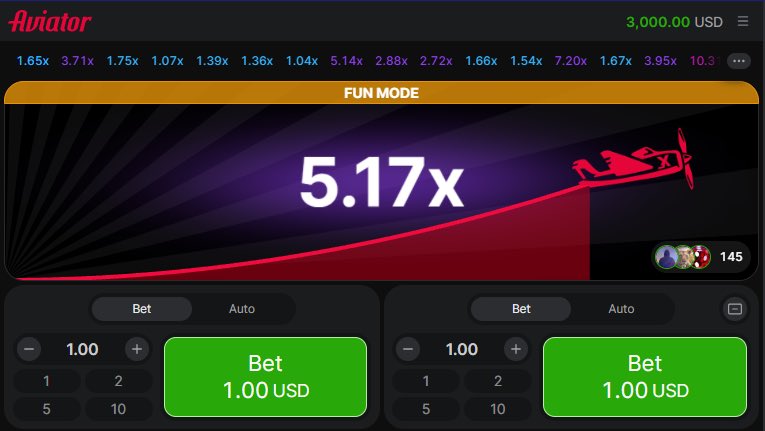
Justine Ngoshi, a 39-year-old area manager for Farm and City Private Limited, stands accused of embezzling US$10,200 in company funds, allegedly funneling the entire sum into the volatile online betting game known as 'Aviator' or 'kandege.' Appearing before a Harare magistrate last Friday, Ngoshi remains in custody as investigators confirm that the funds, earmarked for critical shop rent payments, have been completely liquidated with zero recovery. This case serves as a harrowing indictment of the unchecked proliferation of digital gambling platforms that are currently ravaging the financial stability of Zimbabwe’s workforce.
The Digital Mirage: A Crisis of Desperation
The rise of 'Aviator' in Zimbabwe is not an isolated phenomenon but a symptom of a broader economic malaise. Since 2020, the rapid digitization of sports betting has transformed from a leisure activity into a systemic economic drain. Ngoshi’s case, involving the misappropriation of funds meant for a legal firm, highlights the erosion of corporate governance in a hyper-inflationary environment. Historically, Zimbabwe has struggled with formal employment security; however, the accessibility of mobile-based betting apps has created a 'get-rich-quick' culture that preys on the psychological vulnerability of middle-management professionals facing stagnant wages and the rising cost of living.
Economic Destabilization in Southern Africa
Economists argue that the 'Aviator' phenomenon is effectively siphoning liquidity out of the formal sector and into unregulated digital offshore accounts. In Southern Africa, where regional integration is often hampered by capital flight, the proliferation of these platforms represents a significant threat to fiscal health. 'When corporate funds are diverted into betting algorithms, we aren't just looking at theft; we are looking at the destruction of operational capital that keeps businesses afloat in a fragile economy,' notes Dr. Tendai Moyo, a regional financial analyst. The impact is felt across the SADC region, where the lack of stringent age-verification and deposit-limit regulations allows for the rapid depletion of household and corporate savings.
Real-World Consequences of the Betting Epidemic
The human cost of this addiction is catastrophic. Data from local counseling centers indicates a 40% spike in gambling-related domestic disputes and workplace fraud over the last 18 months. Ngoshi’s case is merely the tip of the iceberg; for every manager caught, dozens of lower-level employees are quietly draining their salaries, leading to a cycle of debt that fuels the informal money-lending market. The specific loss of US$10,200 represents more than just a balance sheet error—it represents the potential closure of retail outlets and the subsequent loss of jobs for staff who had no hand in the gambling activities.
Institutional and Public Outcry
Public sentiment in Harare is shifting from amusement to outrage. 'These betting companies are operating like casinos in the palm of our hands, and they are destroying our youth and our professionals,' says community activist Sarah Dube. Government institutions have been slow to respond, with the Lotteries and Gaming Board facing criticism for failing to implement stricter oversight on digital platforms. Legal experts suggest that unless the government moves to regulate the 'Aviator' algorithm—which many users claim is rigged—the country will continue to see a surge in white-collar crime driven by the desperate hope of 'winning back' lost rent, school fees, and capital.
The Road Ahead: Regulation or Ruin
As Justine Ngoshi awaits his bail hearing, the legal system faces a litmus test. Will the courts treat this as a simple case of theft, or will they recognize the systemic influence of predatory gambling platforms? Moving forward, Zimbabwe must prioritize the implementation of mandatory 'responsible gaming' software and stricter KYC (Know Your Customer) protocols for all betting applications. Without legislative intervention, the 'Aviator' crisis will continue to erode the integrity of the Zimbabwean workforce, further destabilizing an economy that can ill afford the loss of its operational capital. The case of the US$10,200 is a warning: the digital casino is open, and the cost of entry is the nation's future.