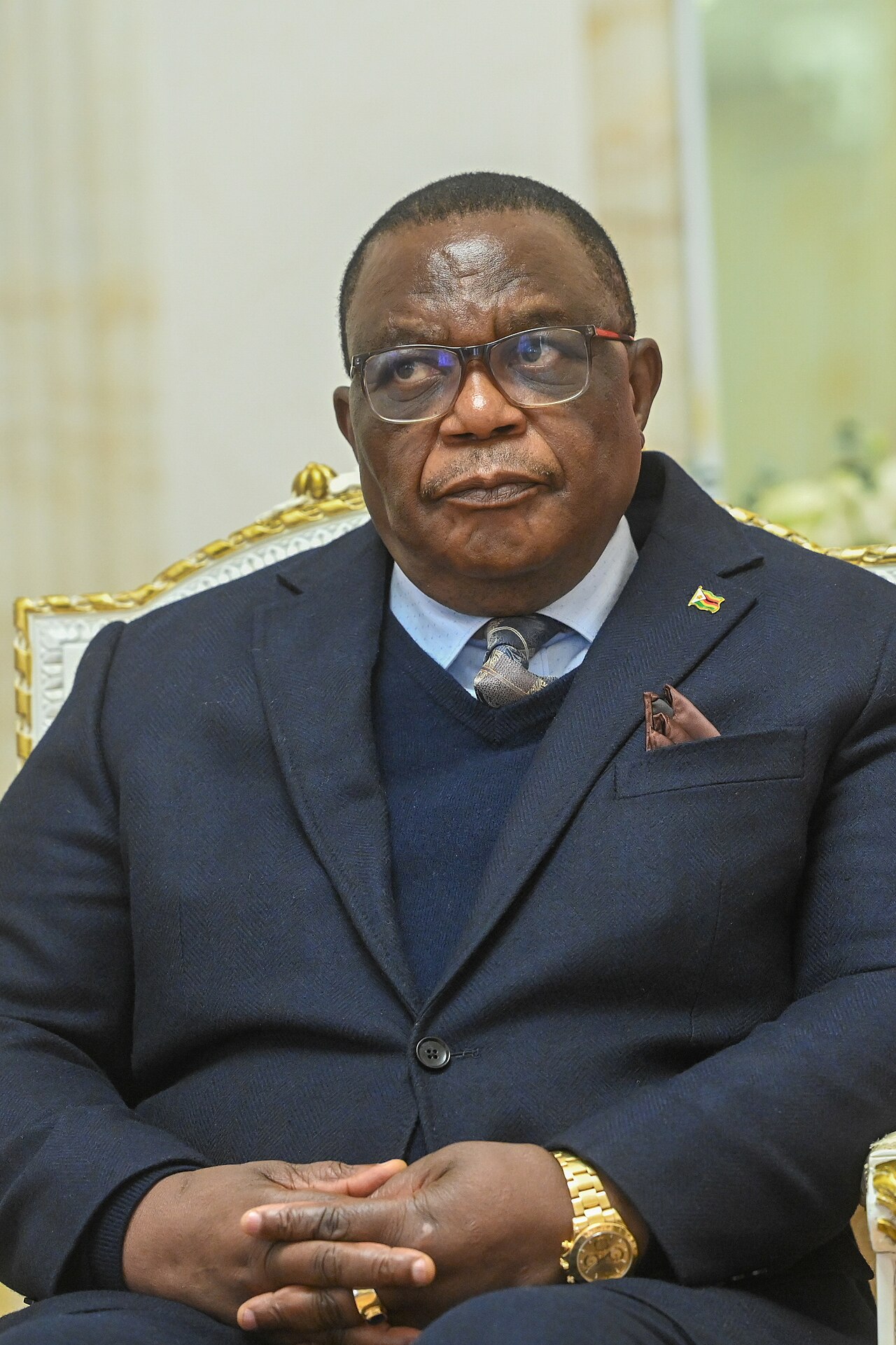
The Zimbabwean government is scrambling to contain a mounting socioeconomic crisis as it considers slashing fuel-related taxes following a catastrophic spike in pump prices that has pushed diesel to US$2.05 and petrol to US$2.10 per litre. Presidential spokesperson George Charamba confirmed that authorities are reviewing the tax structure—which currently accounts for nearly 40% of the pump price—after public outcry over the second major price hike in just weeks. This urgent policy pivot comes as the nation faces a volatile combination of global energy instability and a domestic cost-of-living crisis that is threatening to paralyze the country’s transport and retail sectors.
The Anatomy of a Fuel Crisis
Zimbabwe’s vulnerability to international energy shocks is structural and profound. Being a landlocked, non-oil-producing nation, the country is entirely dependent on imports, leaving it at the mercy of global supply chain disruptions. The current surge is directly linked to the escalating conflict in the Persian Gulf and the Middle East, which has sent global crude oil prices into a tailspin. Historically, Zimbabwe has relied on fuel taxes—including a $0.30/liter Excise Duty, a Strategic Reserve Levy, and a Carbon Tax—to bolster the national budget. However, these levies have now become a double-edged sword; while they provide essential state revenue, they are simultaneously fueling domestic inflation and stifling economic productivity in a country already struggling with high unemployment and currency volatility.
Geopolitical Ripples and Southern African Stability
The instability in the Middle East is not merely a distant geopolitical concern; it is a direct threat to the stability of Southern Africa. As Zimbabwe’s fuel costs soar, the inflationary pressure spills over into the Southern African Development Community (SADC) regional trade bloc. Economists warn that if Harare fails to stabilize its fuel prices, the cost of transporting goods across the North-South Corridor will skyrocket, effectively exporting Zimbabwe’s inflation to neighboring South Africa, Zambia, and Botswana. “We are witnessing a classic case of imported inflation,” says Dr. Tendai Mupfurutsa, a regional trade analyst. “When the cost of logistics rises in a landlocked hub like Zimbabwe, the entire regional supply chain suffers, leading to higher food and commodity prices across the continent.”
The Human Cost of Price Volatility
For the average Zimbabwean, the numbers on the pump are more than just statistics—they are a barrier to survival. Commuter omnibus operators have already hiked fares in response to the fuel surge, effectively cutting off low-income workers from their places of employment. Data from the Zimbabwe Energy Regulatory Authority (ZERA) indicates that fuel taxes constitute nearly 40% of the pump price, a burden that is increasingly viewed as unsustainable by the public. Small businesses, which rely on generators due to persistent power outages, are reporting that the fuel cost is now eating into their entire profit margin, forcing many to consider shutting down operations entirely.
Government Response and Fiscal Dilemmas
The government finds itself in a precarious position. While George Charamba has acknowledged the “legitimate and reasonable” requests from citizens to cut taxes, he simultaneously warned of the fiscal risks. “As we cut back on taxes, revenue to government shrinks and our capacity to deliver basic services can be curtailed,” Charamba stated. This tension between the need for immediate relief and the preservation of a fragile national budget is the defining challenge for the current administration. Institutional observers note that the government is essentially caught between a rock and a hard place: maintain tax revenue and risk civil unrest, or cut taxes and face a potential collapse in public service funding.
The Road Ahead: A Call for Structural Reform
Looking forward, the government’s promise of “urgency” in consultations will be put to the test in the coming weeks. While a temporary tax cut may provide short-term relief, experts argue that it is merely a band-aid on a systemic wound. True stability for Zimbabwe requires a diversification of energy sources and a reduction in the reliance on imported fossil fuels. Until the government addresses the underlying structural weaknesses—such as the lack of local refining capacity and the over-reliance on the volatile Middle Eastern market—Zimbabwe will remain perpetually susceptible to global price turbulence. The question remains whether the administration will prioritize long-term energy security or continue to rely on reactive, short-term tax adjustments.