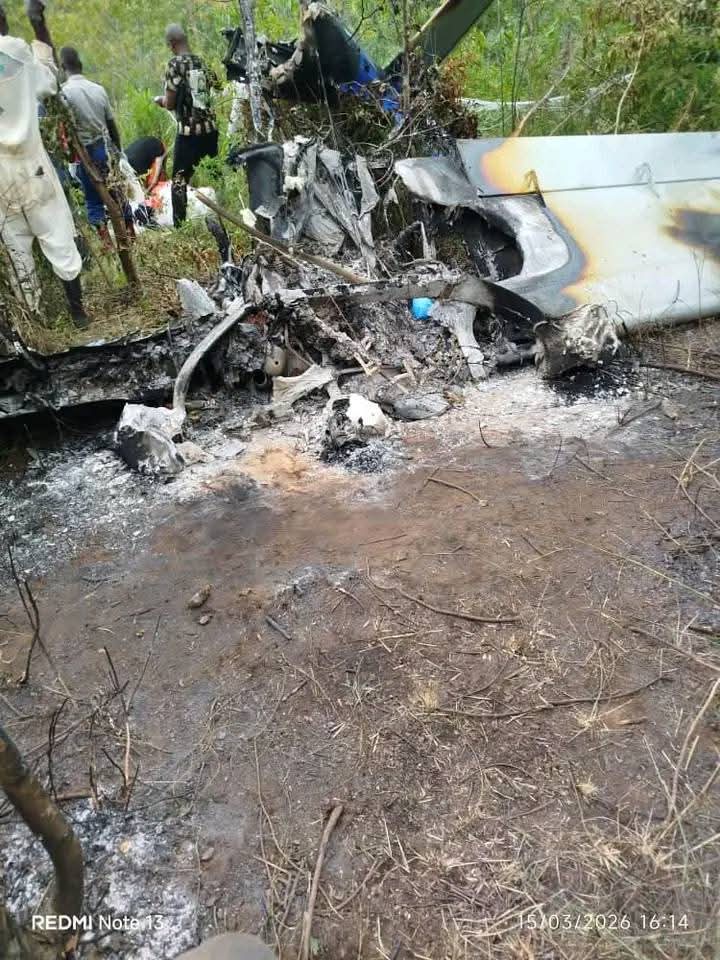
Two people are confirmed dead and a third remains in critical condition after a light aircraft plummeted into Ward 2 of Bikita, Masvingo Province, early this morning. Witnesses describe a harrowing scene as local villagers pulled the lone survivor—suffering from severe leg fractures—from the smoldering wreckage before emergency services could arrive. The crash has sent shockwaves through the region, igniting immediate scrutiny over the safety standards of small-scale aviation operations in Zimbabwe’s rural hinterlands.
A History of Neglect in African Skies
The Bikita incident is not an isolated anomaly but a symptom of a decaying aviation infrastructure that has plagued Southern Africa for decades. Since the mid-2000s, Zimbabwe’s Civil Aviation Authority (CAAZ) has struggled with dwindling budgets and aging air traffic control systems. Historical data from the International Civil Aviation Organization (ICAO) suggests that general aviation in the Southern African Development Community (SADC) region suffers from a 15% higher accident rate compared to global averages, often attributed to lack of radar coverage in remote districts like Masvingo. Historically, these bush flights are essential for mining logistics and NGO operations, yet they operate under minimal regulatory oversight.
Geopolitical and Economic Implications
This crash underscores the precarious nature of Zimbabwe’s economic recovery, which relies heavily on mining and mineral exploration in remote areas. Aviation expert Dr. Tendai Moyo notes, 'When safety protocols are bypassed to service remote mining sites, the entire region pays the price. This isn't just about a plane; it's about the lack of investment in regional air traffic corridors that connect SADC countries.' If the aircraft was linked to illicit mineral smuggling or under-regulated mining activities—a common occurrence in the Bikita lithium belts—the tragedy highlights the failure of state authorities to monitor the skies above the country's most valuable assets.
The Human Cost of Regulatory Failure
For the residents of Ward 2, the crash is a grim reminder of their isolation. With the nearest major medical facility hours away, the survivor's survival is a testament to community bravery rather than government response. According to local health officials, the survivor’s multiple fractures require specialized orthopedic surgery that is increasingly rare in public hospitals due to a systemic brain drain of medical professionals. Data from the Ministry of Health indicates that emergency response times in Masvingo have increased by 40% over the last five years, leaving rural citizens to act as first responders in national disasters.
Institutional Response and Public Outcry
Official silence has defined the hours following the crash. While the Zimbabwe Republic Police (ZRP) have cordoned off the site, government spokespersons have remained tight-lipped regarding the aircraft's flight plan and operator identity. 'We are waiting for the Civil Aviation Authority to provide a preliminary report,' said a local district official, requesting anonymity. Meanwhile, social media in Harare is ablaze with speculation, with citizens calling for a full audit of all private charter companies operating within the country. The lack of transparency has only deepened public mistrust in the current administration’s ability to manage aviation safety.
The Path Toward Accountability
As the investigation proceeds, the focus must shift from merely recovering the bodies to addressing the structural rot that allowed this flight to take off. The Air Accident Investigation Department must release a transparent, forensic breakdown of the flight’s maintenance logs and pilot credentials within the next 48 hours. Without a rigorous, independent inquiry that transcends political interference, the skies over Southern Africa will remain a dangerous gamble for all. Accountability is not optional; it is a prerequisite for national security and the protection of every citizen from the boardroom to the rural ward.