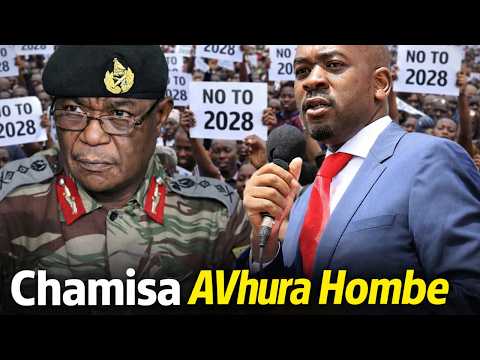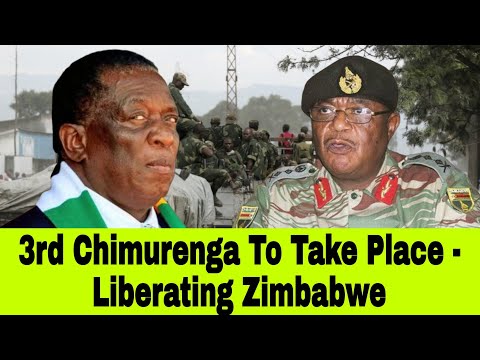
A provocative and highly charged call for a '3rd Chimurenga' has emerged, signaling a major shift in the political landscape of Zimbabwe. The report, published by the channel State of Affairs, asserts that a new liberation movement is set to take place, aiming to fundamentally alter the nation's trajectory. This development marks a critical juncture for the country, as the term 'Chimurenga' carries deep historical and revolutionary weight in the Zimbabwean context.
The Historical Context of the Chimurenga
The term 'Chimurenga' is inextricably linked to Zimbabwe's struggle for independence. Historically, the first and second Chimurengas represented the armed resistance against colonial rule, culminating in the country’s independence in 1980. By invoking a '3rd Chimurenga,' the State of Affairs report suggests that the current political climate is viewed by some as requiring a similar level of transformative, and potentially militant, action to achieve a new liberation. This framing places the current situation within a continuum of revolutionary struggle that has defined Zimbabwe's national identity for decades.
Strategic Analysis of the Call to Action
The analysis of the call for a 3rd Chimurenga suggests that it is not merely a political slogan, but a rallying cry for systemic change within Zimbabwe. The State of Affairs channel highlights this as a pivotal event that demands close observation by regional and international stakeholders. Analysts must grapple with what a 'third' phase of liberation entails in a modern geopolitical environment where democratic processes, economic stability, and international relations are already under immense pressure. The video underscores the intensity of the rhetoric currently circulating within Zimbabwean circles regarding the state of governance.
Real-World Significance and Regional Impact
The potential implications of a 3rd Chimurenga in Zimbabwe extend far beyond its borders, sending ripples through Southern Africa. Zimbabwe remains a cornerstone of the regional economy and political stability. If the rhetoric presented in the video gains traction, it could lead to significant shifts in regional policy, economic security, and migration patterns. The international community is often sensitive to developments in Zimbabwe, and any movement labeled as a new 'liberation' effort is likely to trigger heightened scrutiny from regional blocs and global powers interested in maintaining the status quo in the Southern African Development Community (SADC).
Public and Stakeholder Reaction
The reaction to the announcement of a 3rd Chimurenga is multifaceted, reflecting the polarized nature of the current political environment in Zimbabwe. While some segments of the population may view this as a necessary step toward addressing their grievances, others express deep concerns regarding the potential for instability. Stakeholders within the country and abroad are currently assessing the legitimacy and the intent behind this declaration. The video serves as a catalyst for this ongoing national dialogue, forcing citizens and observers alike to confront the realities of the country’s volatile political landscape.
Anticipating Future Developments
As the narrative of a 3rd Chimurenga takes hold, the world must watch for how this movement organizes and whether it achieves concrete political manifestation. Observers will be looking for signs of mass mobilization, the government's response to these claims, and the potential for a shift in the country's legislative or social frameworks. The situation remains fluid, and the declaration by State of Affairs is likely just the beginning of a larger, more complex chapter in Zimbabwe's ongoing struggle for political and economic self-determination. Continued monitoring of these developments is essential to understanding the future trajectory of the nation.