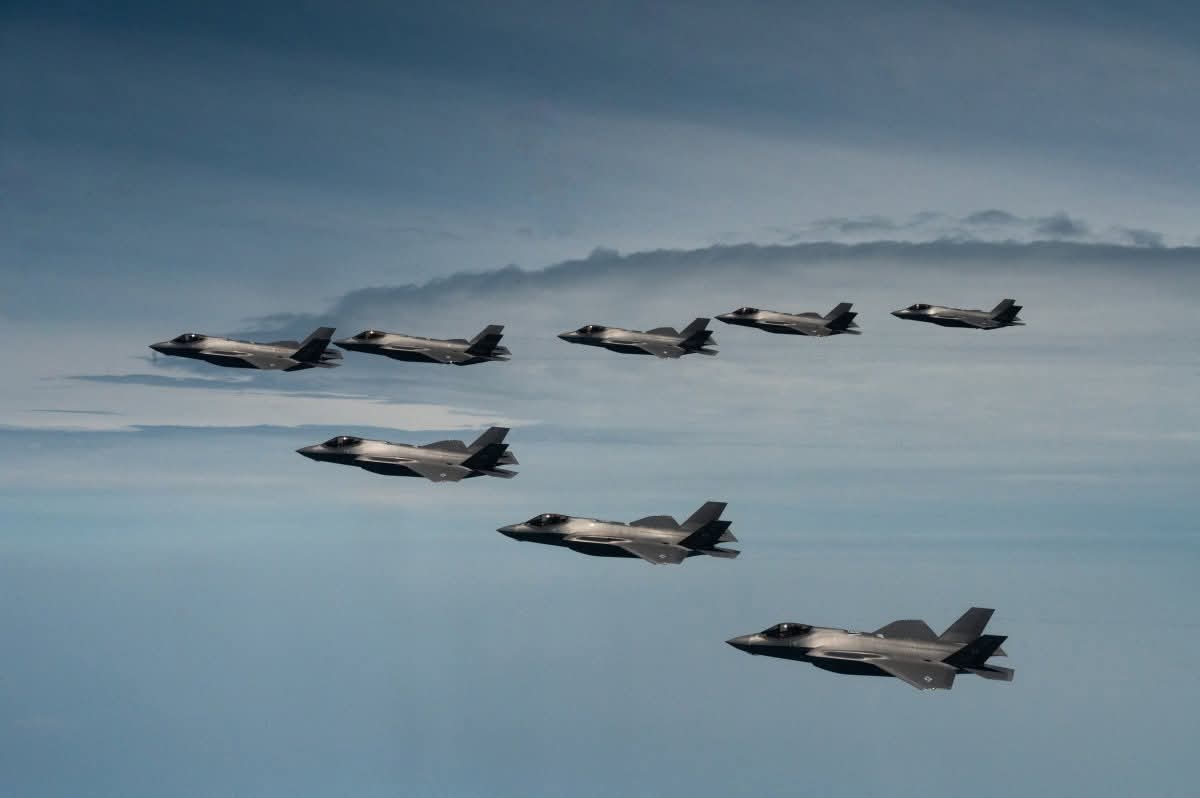
Tehran has issued a definitive ultimatum to Middle Eastern nations to expel all United States military personnel, a move that pushes the region to the precipice of a full-scale conflagration. The demand, broadcast by Iranian state media, signals a strategic pivot by the Islamic Revolutionary Guard Corps (IRGC) to dismantle the American security architecture in the Gulf, threatening to shatter global supply chains and destabilize emerging economies as far away as Southern Africa. As the White House reinforces its regional posture, the risk of a miscalculation triggering a wider conflict has reached its highest point in decades.
The Architecture of Escalation
The current crisis is the culmination of decades of proxy warfare that accelerated following the 2020 assassination of Qassem Soleimani. Since the October 7th attacks in Israel, the 'Axis of Resistance'—a network of Iranian-backed militias spanning Lebanon, Iraq, Syria, and Yemen—has launched over 170 attacks on US bases, according to Pentagon data. With the US maintaining approximately 40,000 troops across the Middle East, Tehran’s rhetoric is not merely symbolic; it is a calculated effort to leverage the Houthis' disruption of the Bab el-Mandeb Strait to force a US withdrawal. This geopolitical chess match is no longer confined to the Levant; it is a direct challenge to the post-WWII international order.
Southern Africa’s Vulnerability
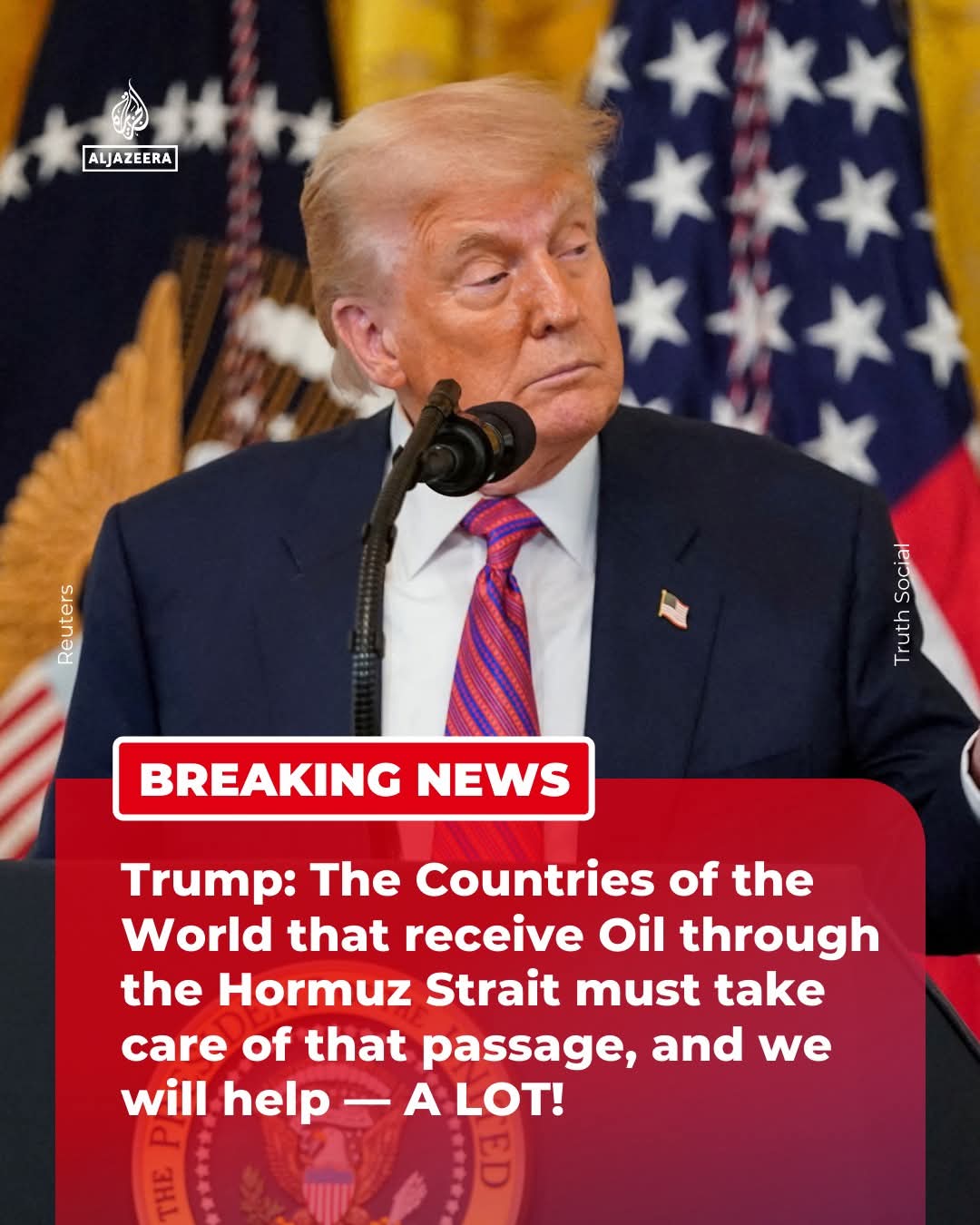
For Zimbabwe and the broader Southern African Development Community (SADC), this escalation is a looming economic catastrophe. The region is heavily dependent on imported refined petroleum, much of which transits through the very shipping lanes now under threat by Houthi militants. Dr. Tendai Mashingaidze, a regional energy economist, warns: 'Zimbabwe is a price-taker in a volatile global market. If the Strait of Hormuz is compromised, our fuel import parity price will skyrocket, triggering a secondary wave of hyper-inflation that the ZWG (Zimbabwe Gold) currency cannot withstand.' Beyond fuel, the disruption of fertilizer imports from the Middle East threatens the upcoming agricultural season, further isolating Harare’s struggling economy.
The Cost of Global Instability
The economic data is grim. A full-scale war could push crude oil prices above $150 per barrel, according to World Bank projections. For Southern African nations already grappling with debt distress, this would be terminal. 'The supply chain shock would be immediate,' says regional logistics expert Sarah Ncube. 'Container shipping costs from Asia to Durban and Beira have already spiked due to the Red Sea crisis. If the US-Iran conflict expands, insurance premiums for cargo vessels will become prohibitive, effectively cutting off landlocked Zimbabwe from affordable global trade.' The human cost is equally severe, as rising food prices disproportionately affect the most vulnerable in our rural provinces.
Global Reactions and Diplomatic Stasis
International institutions are struggling to contain the fallout. While the UN Security Council remains gridlocked by vetoes, regional powers are hedging their bets. Saudi Arabia and the UAE, while allied with the US, have sought diplomatic backchannels to Tehran to avoid being caught in the crossfire. 'We are witnessing a dangerous decoupling,' says Middle East analyst Dr. Karim Sadjadpour. 'Tehran believes the US is in a state of terminal decline, while Washington is struggling to balance its support for Israel with a desire to avoid a third major war.' This diplomatic void is being filled by aggressive military posturing, leaving little room for de-escalation.
The Path to a Total War
Looking ahead, the trajectory is clear: the window for a negotiated settlement is closing. If Tehran carries out its threat to target US assets more aggressively, the United States will be forced into a retaliatory posture that could include strikes on Iranian soil. For Zimbabwe, the lesson is stark: the country’s lack of economic diversification and heavy reliance on imported energy leaves it dangerously exposed to conflicts thousands of miles away. As the drums of war beat louder, policymakers in Harare must prepare for a scenario where global trade routes are effectively severed, forcing a painful pivot toward regional self-sufficiency or face an inevitable collapse of the current fiscal trajectory.