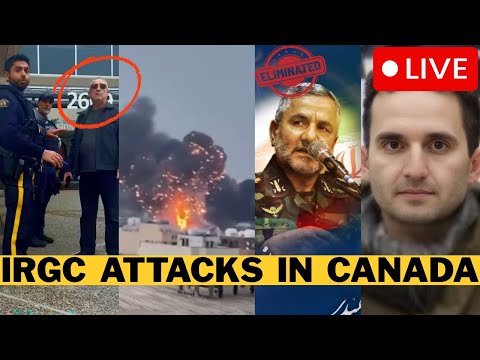
In a volatile escalation of international hostilities, reports have emerged that the Islamic Revolutionary Guard Corps (IRGC) has successfully carried out an assassination operation on Canadian soil. Simultaneously, the Israel Defense Forces (IDF) have confirmed the elimination of a high-ranking IRGC leader within the borders of Tehran. These concurrent developments mark a significant shift in global security dynamics, suggesting a direct, cross-continental confrontation between state-sanctioned paramilitary actors and intelligence forces.
The Escalation of Paramilitary Operations
The alleged IRGC operation in Canada represents a troubling departure from traditional regional conflict zones, signaling an unprecedented reach of the organization into North American territory. The backdrop to this event is a long-standing pattern of high-stakes intelligence maneuvers and shadow operations. The IDF’s retaliatory action in Tehran—targeting a senior leader—serves as a direct response to the aggressive posturing of the IRGC, creating a feedback loop of violence that has now transcended traditional geographic boundaries and entered the Western sphere.
Strategic Implications of the Tehran Strike
The elimination of an IRGC leader inside Tehran by the IDF is more than a mere tactical victory; it is a profound intelligence failure for the Iranian security apparatus. By penetrating the heart of Tehran, the IDF has signaled its capacity to execute high-value targets regardless of the security environment. This analysis suggests that the IRGC is under significant pressure, likely pushing the organization to conduct extraterritorial operations like the one reported in Canada as a means of projecting power when their internal security is compromised.
Global Consequences and Security Shifts
The real-world significance of these events cannot be overstated. When intelligence operations migrate from the Middle East to Western nations like Canada, the international order faces a severe stress test. This destabilization ripples outward, forcing nations to re-evaluate their diplomatic and security postures. For Zimbabwe and the broader Southern African region, such international volatility often leads to increased scrutiny of financial flows and diplomatic allegiances as global powers demand clearer alignment in the face of escalating shadow wars and state-sponsored paramilitary activity.
Public and Stakeholder Response
The international community is currently grappling with the implications of these reports. Observers and stakeholders are expressing concern over the normalization of assassination as a tool of statecraft. In Southern Africa, policy experts are closely monitoring how these events influence the global price of energy and the strategic interest of foreign powers in the region’s mineral resources. The brazen nature of the IRGC’s alleged involvement in Canada has sparked a debate on the limits of sovereignty and the effectiveness of modern intelligence counter-measures.
Future Outlook on Security Protocols
What happens next will be defined by how Canada responds to the violation of its territorial integrity and how the IRGC attempts to regroup following the loss of its leader in Tehran. We must watch for potential retaliatory measures and whether this conflict triggers a wider diplomatic crisis between the involved nations. For Zimbabwe and its peers, the path forward involves maintaining strict neutrality while preparing for the potential economic fallout as global instability makes international cooperation increasingly difficult to navigate.