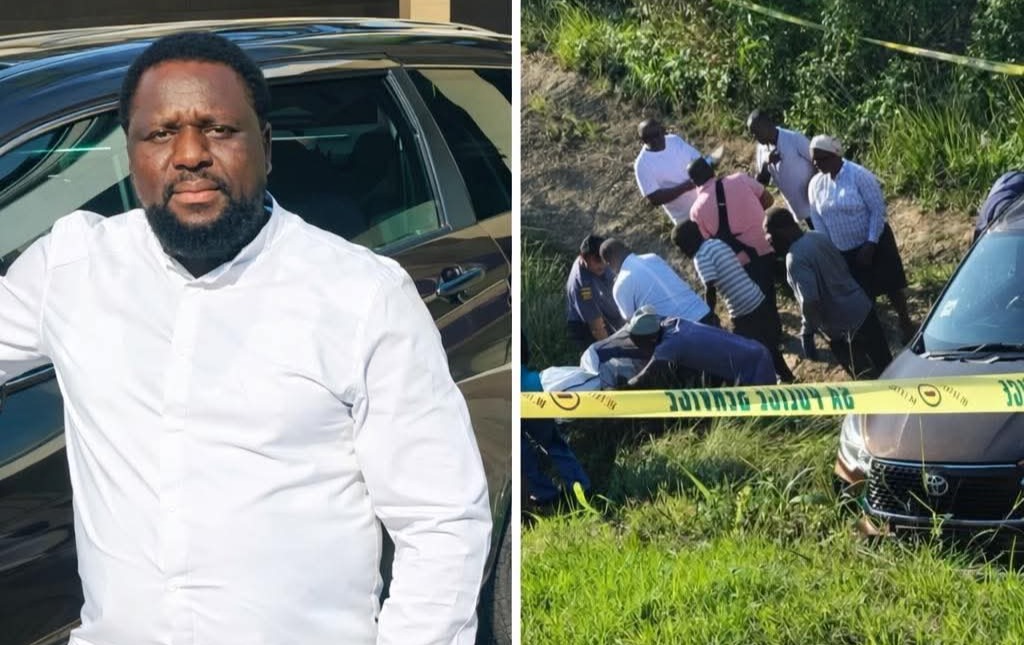
KwaZulu-Natal police have not confirmed the details circulating online, but a widely shared account claims a homeowner in the Mahlongwa area near Mkhomazi/Mkomazi returned home around midday on 9 April 2026, found another man inside his house, and shot him—after allegedly leaving earlier “as if he was going to work.”
The allegation, if verified, points to a volatile mix of vigilantism, suspected infidelity-related motives, and the lethal consequences of confronting a perceived intruder without involving law enforcement. It also underscores a broader regional pattern across Southern Africa: when trust in policing is low, rumours can harden into “justice” delivered with firearms—often with irreversible outcomes.
Alleged timeline: left for work, returned early, found a man inside
According to the account circulating on social media and local messaging platforms, the homeowner left in the morning on 9 April 2026, telling no one—at least publicly—that he would not be away for the full day. Instead, the narrative says he returned around midday, earlier than expected.
On arriving home, he allegedly discovered another man inside his house. The account claims the homeowner then shot the man, who later died from his injuries. The story further suggests the homeowner suspected something was wrong—specifically, that the other man was allegedly there to meet or be with the homeowner’s wife or girlfriend while he was “at work.”
In the version being shared, the alleged “pretend-to-leave” strategy is central: by leaving as though he would work all day and then returning quietly, the homeowner is said to have caught the other man in the act.
At the time of writing, there is no publicly confirmed police statement in the circulating reports that independently verifies the identity of the deceased, the homeowner, the exact location within Mahlongwa, or the circumstances leading to the shooting. Without official confirmation, the details remain allegations—yet the gravity of the claim is clear: a person is said to have been killed after a confrontation inside a home.
What police typically investigate in “home invasion” and shooting cases
In South Africa, shootings involving private individuals are usually investigated under criminal frameworks that can include murder, culpable homicide, or unlawful possession of firearms—depending on how authorities assess intent, self-defence claims, and whether the firearm was legally held.
Legal experts consistently stress that “self-defence” or “defence of property” is not automatic. Investigators look for evidence such as:
• whether the homeowner had reasonable grounds to believe the other person posed an immediate threat;
• whether there were signs of forced entry or burglary;
• the trajectory and location of gunshot wounds;
• witness statements from neighbours or anyone who heard the incident;
• firearm licensing records and ballistic evidence; and
• whether the deceased was indeed an intruder or someone with a legitimate reason to be on the premises.
In this case, the rumoured motive—catching a partner-related “meeting”—would, if proven, shift the investigation away from a straightforward “intruder” narrative and toward questions of intent and provocation. But again, none of that can be treated as fact until police confirm what happened and courts—if charges are brought—test the evidence.
South African policing in KwaZulu-Natal has faced persistent challenges, including capacity constraints, high rates of violent crime, and public frustration over slow case processing. Those pressures can create a dangerous environment where rumours about “caught in the act” spread faster than official facts—sometimes encouraging people to take matters into their own hands.
That dynamic has echoes across Southern Africa. In Zimbabwe, for example, public debate around vigilante violence and firearm misuse has repeatedly surfaced in relation to domestic disputes, suspected theft, and “caught” allegations. When communities believe the system will not respond quickly enough, the temptation to “resolve” disputes privately can rise—often with fatal results.
Zimbabwean legal analysts have also warned that firearm access and informal dispute resolution can turn personal conflicts into criminal cases. The same risk—personal suspicion escalating into lethal force—appears at the centre of the Mahlongwa allegation.
However, it would be wrong to assume Zimbabwe’s context automatically explains South Africa’s incident. The immediate responsibility lies with the facts on the ground in KwaZulu-Natal: what the homeowner did, why he did it, and what evidence investigators can establish.
To be clear: the circulating story is not yet verified. The deceased could have been a legitimate visitor, a neighbour, or someone mistaken for an intruder. Alternatively, the deceased could indeed have been unlawfully inside the home. Only an official investigation can determine which.
As with all alleged killings, the next steps that matter are straightforward: police should confirm whether a docket has been opened, whether the homeowner has been arrested or interviewed, and whether a firearm and ballistic evidence have been secured. Communities deserve answers beyond rumours.
For now, the most shocking part of the account is not the alleged motive—it is the claimed method and timing: leaving in the morning, returning at midday, and shooting someone inside a house. If verified, it would represent a deliberate confrontation with lethal force rather than a spontaneous reaction to an immediate threat.
That distinction matters in court. It also matters for public safety. When people believe “catching someone” justifies violence, the risk of more deaths rises—especially in areas where firearms are accessible and domestic suspicion is common.
Zimbabwe and the broader SADC region are watching not because this is a Zimbabwean case, but because the pattern—rumour-fuelled suspicion, private retaliation, and firearm escalation—travels across borders. The political and economic pressures that shape daily life in the region can also shape how people respond to perceived injustice.
Zimbabwe’s proximity to South Africa, the movement of people for work and trade, and the shared media ecosystem mean that incidents like this do not stay local. They become part of a regional conversation about violence, justice, and the cost of acting on unverified claims.
Until authorities in KwaZulu-Natal confirm details, the allegation remains exactly that: a claim circulating online about a man shot and killed in Mahlongwa near Mkhomazi/Mkomazi on 9 April 2026. But the stakes are real, and the consequences—human loss, community fear, and potential criminal liability—are immediate.
We will update this story as soon as official statements from South African police and court records are available.
Want verified updates on this case?
Support investigative reporting—click to continue.