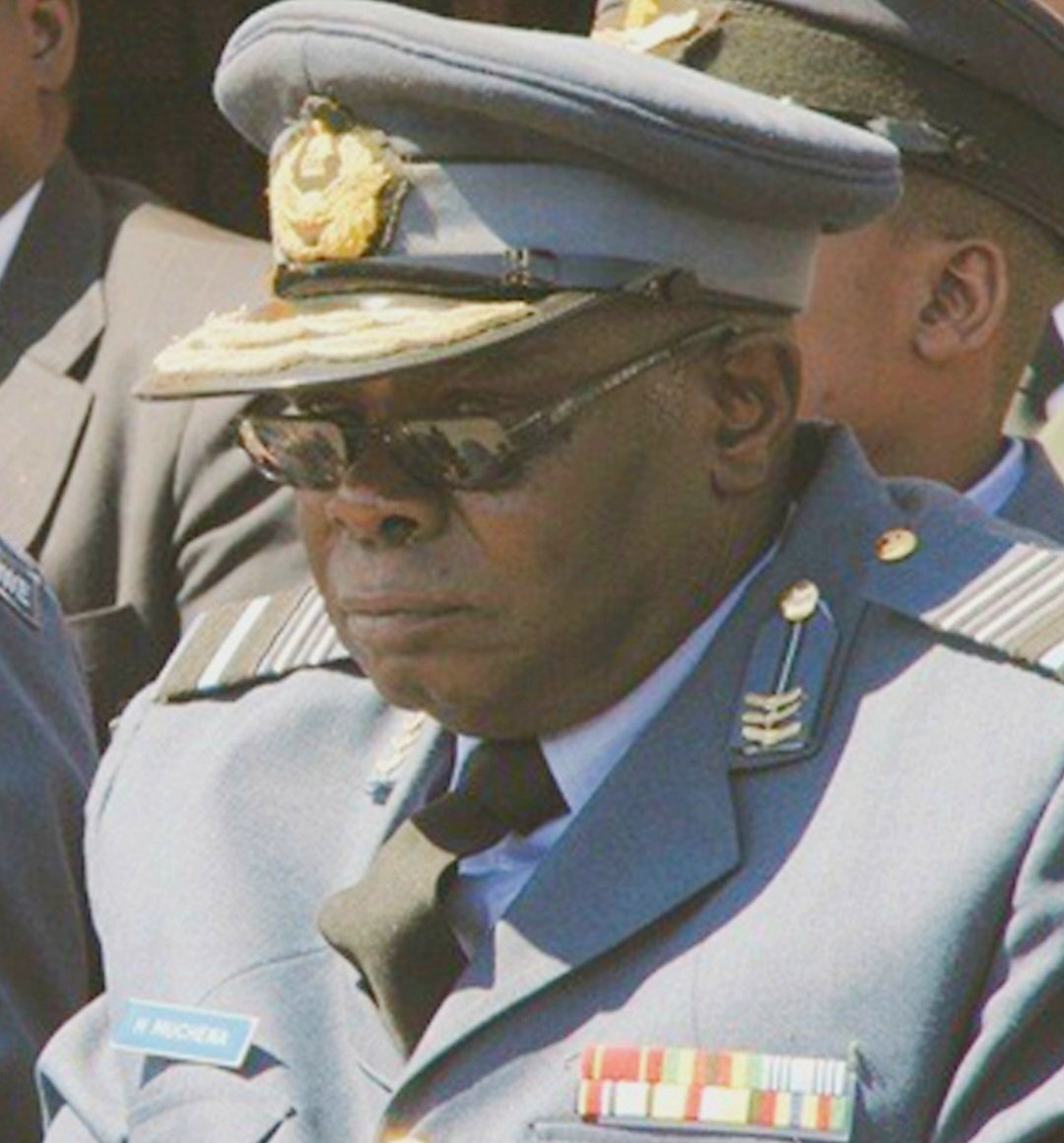
In a chilling escalation of Zimbabwe’s internal power struggle, Air Marshal (Retired) Henry Muchena has issued a stern, militaristic warning to political activist Temba Mliswa, signaling a deepening rift between the nation's liberation-era elite and modern political disruptors. The March 18, 2026, statement, issued on behalf of a coalition of retired generals and senior civil servants, explicitly threatens those who 'shake the baobab,' warning that the security establishment will no longer tolerate public disparagement of their influence on constitutional processes.
The Shadow of the Liberation Struggle
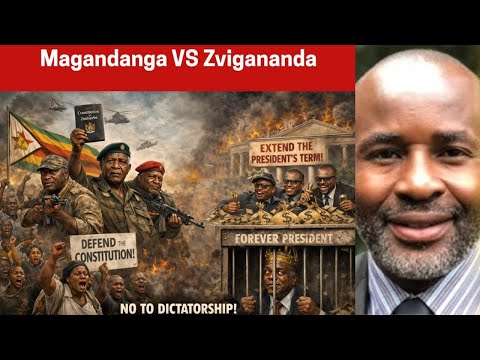
The conflict centers on Constitutional Amendment Bill No. 3, a legislative move that has become a flashpoint for competing visions of Zimbabwe’s future. Muchena’s intervention highlights the enduring, often opaque power of the 'securocrats'—the generation of ex-combatants who fought in the 1970s liberation war and have maintained a grip on the state apparatus since 1980. For these veterans, the principle of 'one man, one vote' is not merely a political slogan but a foundational pillar they claim to defend against what they characterize as 'cheap political mileage' from figures like Mliswa.
Geopolitical Instability in Southern Africa
Regional analysts view this public spat as a symptom of a broader crisis of succession and institutional legitimacy within the SADC (Southern African Development Community) region. Zimbabwe’s stability remains a linchpin for Southern Africa; any fracture within the ZANU-PF-aligned security sector risks triggering a domino effect of civil unrest. Dr. Tendai Biti, a regional political economist, notes: 'When the military hierarchy feels compelled to issue public manifestos against individual critics, it signals that the traditional channels of political arbitration have completely collapsed.'
The Economic Cost of Political Infighting
The volatility is already taking a toll on Zimbabwe’s fragile economic recovery. With inflation rates hovering in the triple digits and foreign direct investment (FDI) stagnating, the spectacle of retired generals threatening 'treason' charges against civilian critics creates a climate of extreme investor uncertainty. Data from the Zimbabwe National Chamber of Commerce suggests that political risk premiums have surged by 15% in the first quarter of 2026, as capital flight accelerates in anticipation of potential security crackdowns.
A Divided Nation Reacts
The reaction to Muchena’s statement has been sharply polarized. Supporters of the government view the retired generals as the 'custodians of the revolution,' necessary to prevent the country from descending into Western-backed chaos. Conversely, civil society groups and opposition activists describe the statement as a 'veiled threat of martial law.' One human rights lawyer, speaking on condition of anonymity, stated: 'This is not a debate; it is a warning that the military remains the ultimate arbiter of Zimbabwean politics, regardless of what the constitution says.'
The Path to 2028 and Beyond
Looking ahead, the tension between the ex-combatant elite and the younger, more vocal political class is expected to intensify as the 2028 election cycle approaches. The demand by Muchena for Mliswa to explain his 'mandate' suggests that the security establishment is preparing to aggressively police the boundaries of political discourse. If the state continues to use the rhetoric of 'treason' to silence dissent, Zimbabwe risks further isolation from international financial institutions and a hardening of internal authoritarianism that could threaten the peace of the entire Southern African block.